
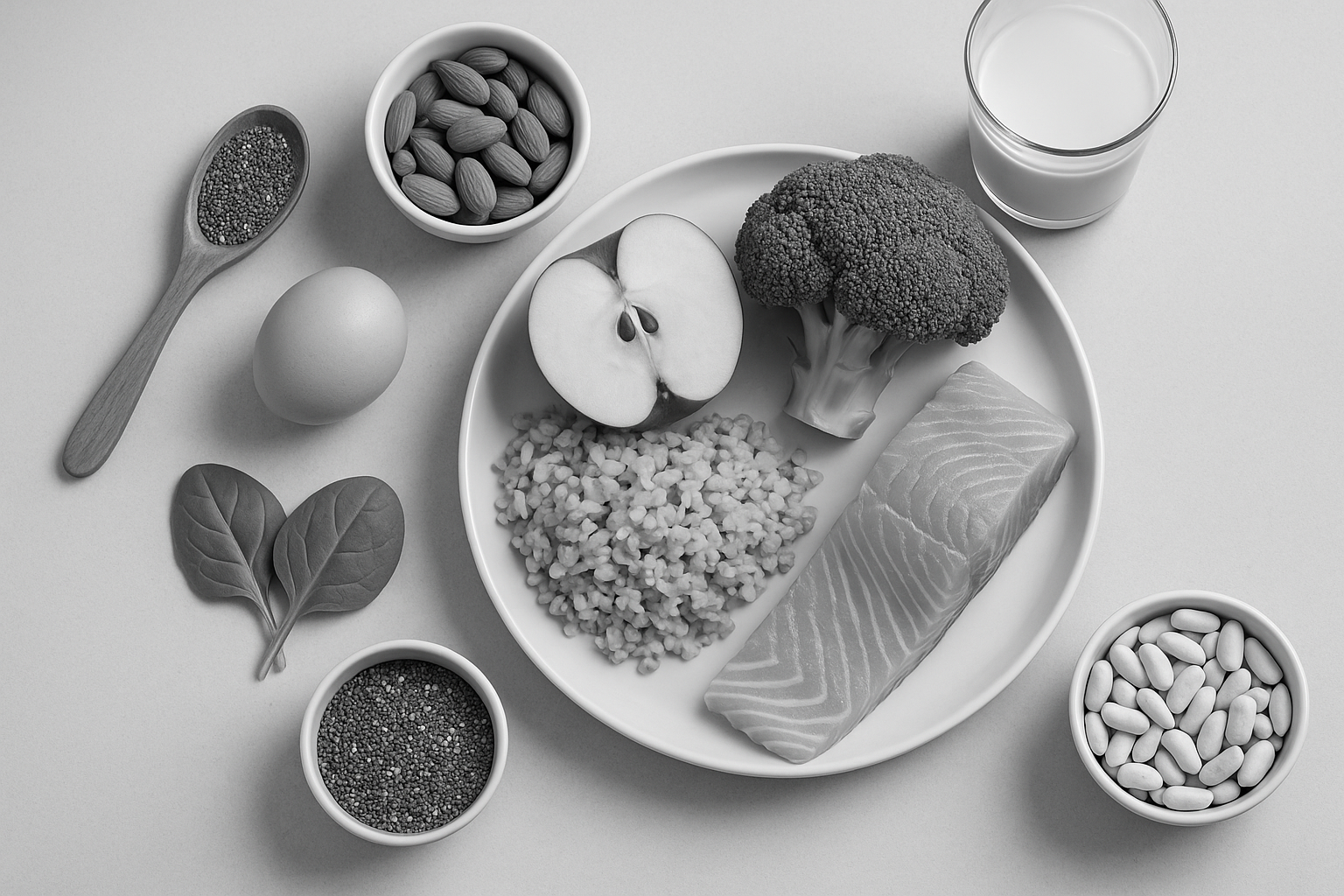
What Is a Balanced Diet?
A balanced diet is a way of eating that consistently provides your body with the nutrients it needs to function well—without getting too much or too little of any one thing. Instead of focusing on strict rules or cutting out entire food groups, a balanced diet emphasizes variety, appropriate portions, and a mix of nutrient-dense foods that support your energy, mood, digestion, and long-term health.
In practical terms, a balanced diet includes:
- Vegetables and fruits for vitamins, minerals, fiber, and antioxidants
- Whole grains for sustained energy and additional fiber
- Protein to support muscles, immunity, and satiety
- Healthy fats for brain function, hormone production, and nutrient absorption
- Fluids (especially water) to keep your body systems working smoothly
Why a Balanced Diet Matters
Food affects nearly every system in the body. When your meals regularly include a good balance of macronutrients (carbohydrates, protein, and fat) and micronutrients (vitamins and minerals), you’re more likely to experience steady energy, fewer cravings, and better overall wellbeing.
Key benefits of a balanced diet include:
- More stable energy throughout the day by pairing carbs with protein and fat
- Better digestive health from fiber-rich foods like vegetables, fruit, legumes, and whole grains
- Stronger immunity supported by vitamins and minerals such as vitamin C, zinc, and vitamin D
- Heart health support by emphasizing unsaturated fats, fiber, and minimally processed foods
- Healthier weight management through improved satiety and consistent nutrient intake
A balanced diet also tends to be more sustainable than extreme plans because it can adapt to different cuisines, budgets, schedules, and preferences.
The Core Components of a Balanced Diet
1) Vegetables and Fruits
Vegetables and fruits are cornerstone foods because they’re rich in vitamins, minerals, and protective compounds while generally being lower in calories per volume. Aim to include a variety of colors—think leafy greens, orange vegetables, berries, and cruciferous options like broccoli and cauliflower.
Easy ways to add more: toss spinach into eggs, add frozen vegetables to pasta or rice, snack on fruit with yogurt, or start meals with a side salad.
2) Whole Grains and Healthy Carbohydrates
Carbohydrates are your body’s preferred fuel, especially for the brain and during exercise. The goal is to choose carbs that provide fiber and nutrients: oats, brown rice, whole-wheat bread, quinoa, barley, and starchy vegetables like potatoes and corn.
Tip: If you’re increasing fiber, do it gradually and drink enough water to stay comfortable.
3) Protein Sources
Protein supports muscle repair, hormones, enzymes, and immune function. It also helps meals feel more satisfying. Balanced diets include a mix of protein sources such as fish, poultry, eggs, beans, lentils, tofu, Greek yogurt, and lean meats.
Simple guideline: include a protein option at most meals and snacks—especially breakfast—so you start the day with steadier energy.
4) Healthy Fats
Fat isn’t something to fear—your body needs it. Focus on unsaturated fats from foods like olive oil, nuts, seeds, avocados, and fatty fish (salmon, sardines). These fats support heart health and help your body absorb fat-soluble vitamins (A, D, E, and K).
What to limit: highly processed foods that are high in trans fats or excess saturated fats, which can crowd out more nutrient-dense choices.
5) Hydration
Hydration affects energy, digestion, and concentration. Water is the best default beverage, but unsweetened tea, sparkling water, and foods with high water content (like cucumbers and oranges) also contribute.
Practical approach: keep a reusable bottle nearby and drink regularly throughout the day rather than trying to “catch up” at night.
How to Build a Balanced Plate (Without Counting Everything)
You don’t need complicated math to eat well. A simple plate method can help you create balanced meals consistently:
- Half the plate: non-starchy vegetables (salad greens, peppers, broccoli, zucchini)
- One quarter: protein (chicken, tofu, beans, fish, eggs)
- One quarter: whole grains or starchy vegetables (brown rice, quinoa, potatoes)
- Add: a source of healthy fat (olive oil dressing, avocado, nuts) and a drink (water)
This approach works for many cuisines. For example: a burrito bowl with beans, grilled veggies, brown rice, salsa, and avocado; or a stir-fry with tofu, mixed vegetables, soba noodles, and sesame seeds.
Common Myths About a Balanced Diet
Myth 1: “Balanced” means perfect
Balance is about patterns, not perfection. One meal—or one day—doesn’t define your overall diet. Consistency over time matters more than occasional treats or missed veggies.
Myth 2: You have to eliminate carbs
Carbs can absolutely fit into a balanced diet. The quality and portion matter most. Choosing whole grains and pairing carbs with protein and fat can help keep blood sugar steadier.
Myth 3: Healthy eating is expensive
It can be affordable with smart staples: dried or canned beans, frozen vegetables and fruit, oats, eggs, seasonal produce, and store-brand whole grains. Planning simple meals reduces waste and keeps costs down.
Practical Tips to Maintain a Balanced Diet
Plan simple, repeatable meals
Pick a few go-to breakfasts, lunches, and dinners you enjoy. Repetition reduces decision fatigue and makes balanced eating easier on busy weeks.
Build balanced snacks
Snacks work best when they include at least two components—like protein + fiber or protein + healthy fat. Examples include apple with peanut butter, hummus with carrots, or yogurt with berries.
Prioritize protein and produce first
If you’re not sure where to start, focus on adding a protein source and a fruit or vegetable to each meal. This small habit often improves overall balance naturally.
Use “good-better-best” upgrades
Rather than aiming for a complete overhaul, try incremental improvements: swap sugary cereal for oats, white bread for whole grain, or soda for sparkling water with citrus.
Keep convenience foods that support your goals
Balanced diets don’t require everything to be made from scratch. Stock options like bagged salad kits, frozen vegetables, canned tuna or beans, microwavable whole grains, and rotisserie chicken for quick, nutritious meals.
Conclusion
A balanced diet is less about strict rules and more about building meals that regularly include vegetables and fruits, quality carbohydrates, protein, healthy fats, and enough fluids. Start with simple plate-based meals, make small upgrades over time, and focus on consistency. When balanced eating fits your real life, it becomes easier to sustain—and that’s where the biggest benefits show up.