
Introduction
Losing weight isn’t about finding one “magic” exercise—it’s about choosing workouts you can do consistently while building strength, improving fitness, and increasing daily calorie burn. The best exercises for weight loss tend to combine three things: they use a lot of muscle, raise your heart rate, and support long-term adherence. In this guide, you’ll learn the most effective exercise types for fat loss, how to structure your week, and tips to keep progress moving.
What Makes an Exercise Good for Weight Loss?
Weight loss happens when you sustain a calorie deficit over time, but exercise can make that deficit easier to achieve (and maintain) by boosting energy expenditure and improving body composition. The most effective weight-loss exercises generally share these traits:
- High muscle involvement: Movements that use the legs, glutes, back, and core burn more calories than small-isolation exercises.
- Progressive challenge: You can gradually increase speed, resistance, reps, or duration to keep improving.
- Recovery-friendly: You can repeat them weekly without constantly feeling wrecked.
- Enjoyment and accessibility: The best plan is the one you’ll actually stick with.
Best Exercises for Weight Loss
1) Brisk Walking (Low Impact, High Consistency)
Walking is one of the most underrated weight-loss tools because it’s low-impact, easy to recover from, and simple to scale. Consistent walking increases daily calorie burn and supports overall activity levels (often called NEAT—non-exercise activity thermogenesis).
- How to do it: Aim for 30–60 minutes at a pace where you can talk but not sing.
- Progression ideas: Add incline, increase pace, use weighted vest (advanced), or extend duration.
- Best for: Beginners, joint-sensitive exercisers, and anyone who struggles with consistency.
2) Strength Training (The “Metabolism Multiplier”)
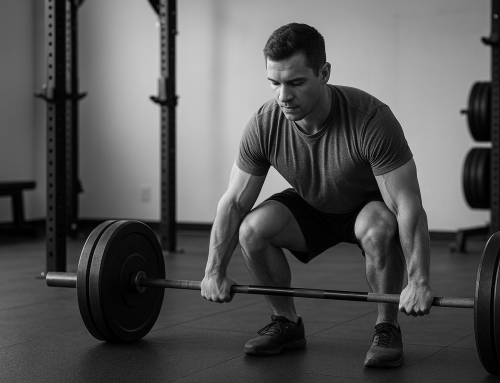
Strength training is essential for weight loss because it helps preserve (and potentially build) lean muscle while dieting. More muscle improves your ability to train harder, keeps you looking “toned” as you lose weight, and can slightly increase resting calorie burn over time. Most importantly, it dramatically improves body composition.
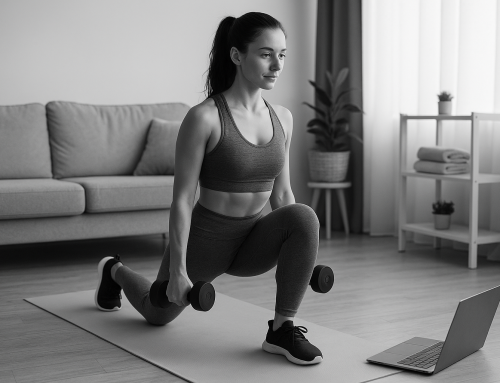
- Focus on compound lifts: Squats, deadlifts/hinges, lunges, rows, presses, and carries.
- Beginner-friendly options: Dumbbell goblet squats, Romanian deadlifts, push-ups (incline if needed), and seated rows.
- Recommended dose: 2–4 sessions per week, 30–60 minutes each.
3) HIIT (High-Intensity Interval Training)
HIIT alternates short bursts of hard effort with recovery periods. It can be very effective for improving cardiovascular fitness and burning calories in less time, but it’s also demanding—so doing it strategically works better than doing it daily.
- Try this starter workout: 20 seconds hard / 100 seconds easy × 6–8 rounds (bike, rower, or running).
- How often: 1–3 times per week depending on your fitness and recovery.
- Tip: Choose low-impact machines (bike/rower) if your joints don’t love sprints.
4) Steady-State Cardio (Zone 2)
Steady-state cardio—often called “Zone 2”—is performed at a moderate intensity you can sustain for a long time. It’s great for building aerobic capacity and increasing weekly calorie burn without the recovery cost of intense intervals.
- Examples: Easy jogging, cycling, swimming, incline treadmill, elliptical.
- Intensity guide: You can speak in sentences, but your breathing is noticeably elevated.
- Recommended dose: 1–3 sessions per week of 30–75 minutes.
5) Rowing (Full-Body Calorie Burn)
Rowing combines cardio with significant upper- and lower-body involvement, making it a strong choice for weight loss. It’s also relatively low-impact compared to running.
- Form priority: Push with legs first, then lean back slightly, then pull with arms; reverse on the way back.
- Workout idea: 10-minute easy warm-up, then 5 × 500 meters moderate-hard with 1–2 minutes easy rowing between.
- Best for: People who want efficient, full-body conditioning.
6) Cycling (Joint-Friendly and Easy to Scale)
Cycling is excellent for accumulating cardio volume—especially if you’re managing knee or ankle sensitivity. You can go easy for longer sessions or add harder efforts for a higher-intensity workout.
- Beginner plan: 30 minutes at a comfortable pace, 2–4 times weekly.
- Progression: Add 5 minutes per week or include short hills/intervals.
- Bonus: Great option for active recovery on days between strength workouts.
7) Circuit Training (Strength + Cardio in One)
Circuit training strings together strength exercises with minimal rest, keeping your heart rate up while you build muscle and endurance. It’s a time-efficient way to train, especially if your schedule is tight.
- Simple circuit example (3–5 rounds):
- Goblet squat × 10–12
- Dumbbell row × 10–12/side
- Push-ups × 8–12
- Farmer carry × 30–60 seconds
- Rest 60–90 seconds
- Tip: Keep form strict. If form breaks, add rest rather than rushing.
How to Build a Weekly Weight-Loss Exercise Plan
A balanced routine usually beats an extreme one. Here’s a simple weekly framework you can adjust to your fitness level:
- 2–4 days strength training (full-body or upper/lower split)
- 1–3 days cardio (mix of Zone 2 and/or HIIT)
- Daily movement (steps, short walks, taking stairs)
Example week:
- Mon: Strength (full-body) + 10–15 min easy cardio
- Tue: Zone 2 cardio (40–60 min walk/cycle)
- Wed: Strength (full-body)
- Thu: Rest or easy walk
- Fri: HIIT (15–25 min) or rowing intervals
- Sat: Strength (optional) or longer walk
- Sun: Rest + light movement
Tips to Maximize Weight Loss Results
- Prioritize consistency over perfection: A “good enough” plan done weekly beats a perfect plan done once.
- Track progress beyond the scale: Measurements, photos, strength increases, and energy levels matter.
- Increase steps: Adding 2,000–4,000 steps per day can meaningfully boost weekly calorie burn.
- Progress gradually: Add small amounts of time, weight, or intensity every 1–2 weeks.
- Support recovery: Sleep and protein intake strongly influence how well you maintain muscle during fat loss.
Conclusion
The best exercises for weight loss are the ones that keep you moving consistently, build strength, and fit your lifestyle. Combine regular strength training with a mix of walking, steady-state cardio, and occasional HIIT, and you’ll create a sustainable plan that burns calories, improves fitness, and supports long-term fat loss.