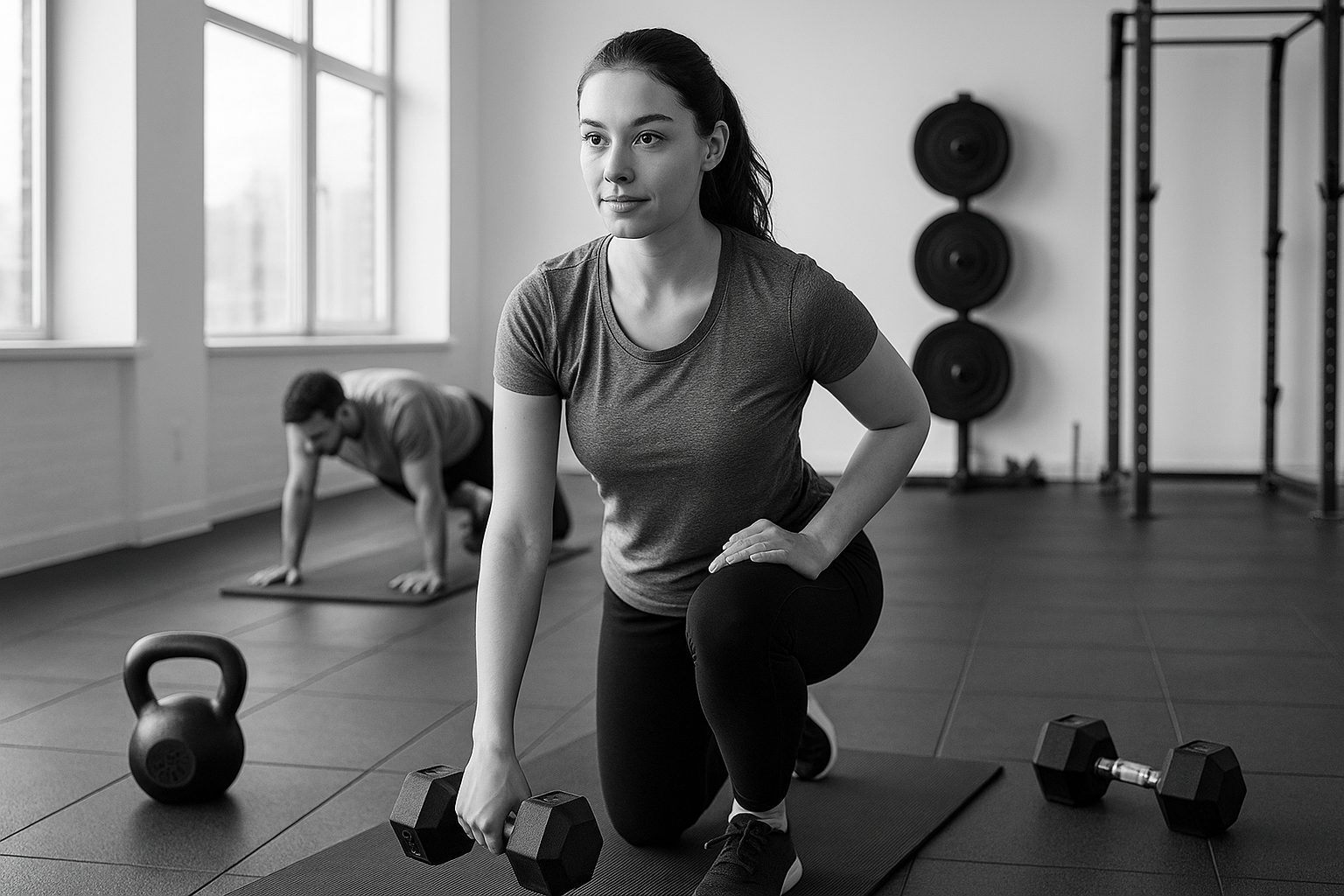
Why beginners should start with simple, consistent workouts
Starting a fitness routine can feel overwhelming, but it doesn’t need to be complicated to be effective. For beginners, the “best” workouts are the ones you can do safely, repeat consistently, and progress gradually. A simple plan helps you build confidence, improve stamina, and develop strong movement patterns—without burnout.
The goal early on isn’t perfection; it’s momentum. If you focus on basic exercises, good form, and a realistic schedule, you’ll see steady progress in strength, energy, and overall health.
Before you begin: safety and setup
Check your starting point
If you have an injury, chronic condition, or haven’t exercised in a long time, consider getting medical clearance. Otherwise, begin with workouts that feel challenging but manageable—aim for about a 6–7 out of 10 effort.
Warm-up basics (5–8 minutes)
A short warm-up prepares your joints and raises your heart rate so your workout feels smoother. Try:
- March in place or brisk walking (2 minutes)
- Arm circles and shoulder rolls (30 seconds each)
- Hip circles (30 seconds)
- Bodyweight squats to a chair (10 reps)
- Easy lunges or step-backs (8 reps per side)
How often to work out
For most beginners, a great starting point is:
- 2–3 strength sessions per week
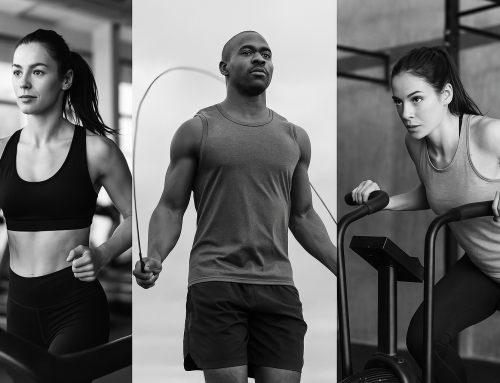
- 2–3 cardio sessions per week
- Daily light movement (walking, mobility, stretching)
Rest days are part of progress. Your body adapts and gets stronger between sessions.
Best beginner workouts (with examples)
1) Walking workouts (best “do-anywhere” cardio)
Walking is one of the most beginner-friendly workouts because it’s low-impact, scalable, and builds aerobic fitness. It also supports fat loss when paired with consistent nutrition and sleep.
Beginner walking plan (20–30 minutes):
- 5 minutes easy pace warm-up
- 10–20 minutes brisk walking (you can talk but not sing)
- 5 minutes easy cool-down
Progression: Add 5 minutes per week, or add short “pick up the pace” intervals (30–60 seconds faster, then 1–2 minutes easy).
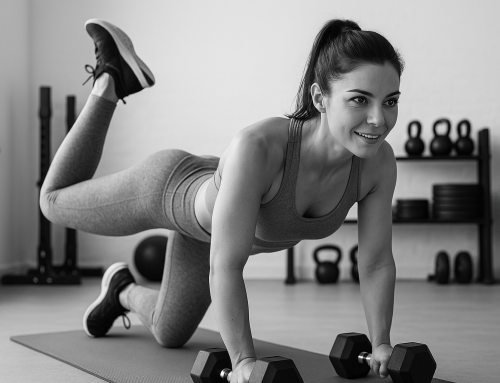
2) Bodyweight strength training (foundation for everything)
Strength training helps you build muscle, protect joints, improve posture, and make daily life easier. Bodyweight workouts are ideal for beginners because they teach control and require minimal equipment.
Beginner full-body circuit (2–3 rounds):
- Squat to a chair – 8–12 reps
- Incline push-ups (hands on a counter/bench) – 6–10 reps
- Glute bridge – 10–15 reps
- Bird dog – 6–10 reps per side
- Plank (knees down if needed) – 15–30 seconds
Rest 60–90 seconds between rounds. Focus on smooth, controlled reps—especially on the lowering phase.
Progression: Add reps first, then add a round, then increase difficulty (lower incline for push-ups, deeper squats, longer planks).
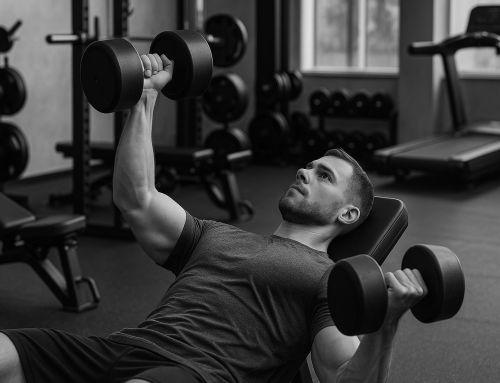
3) Dumbbell basics (fast strength gains with minimal gear)
If you have access to light-to-moderate dumbbells, you can build strength efficiently with a few core movements. Choose weights that allow you to finish your set with 1–2 reps “in the tank” (good form comes first).
Beginner dumbbell workout (3 sets each):
- Dumbbell goblet squat – 8–10 reps
- Dumbbell Romanian deadlift – 8–10 reps
- One-arm dumbbell row – 10 reps per side
- Dumbbell overhead press – 8–10 reps
- Farmer carry – 30–45 seconds
Progression: When you can complete all sets with clean form, increase weight slightly (or add 1–2 reps per set).
4) Low-impact cardio (joint-friendly and effective)
If running isn’t comfortable, low-impact options are excellent for beginners. They raise your heart rate while being kinder to knees and ankles.
Great beginner options:
- Stationary bike
- Elliptical
- Rowing machine (start easy and focus on technique)
- Swimming or water aerobics
Simple starter session (15–25 minutes): 5 minutes easy, 10–15 minutes steady moderate, 3–5 minutes easy cool-down.
5) Mobility and flexibility (the “secret weapon” for consistency)
Mobility work helps you move better, recover faster, and reduce stiffness—especially if you sit a lot. It’s not a replacement for strength training, but it makes everything feel better.
Beginner mobility flow (5–10 minutes):
- Cat-cow – 6–8 slow reps
- World’s greatest stretch – 30 seconds per side
- Hip flexor stretch – 30 seconds per side
- Ankle rocks – 10 reps per side
- Thoracic spine open books – 6 reps per side
Do this on rest days or after workouts as a cool-down.
A simple beginner workout schedule (3 days/week)
If you want a straightforward plan, try this for 4 weeks:
- Day 1: Full-body strength (bodyweight or dumbbells) + 10-minute walk
- Day 2: Brisk walk or low-impact cardio (20–30 minutes) + mobility
- Day 3: Full-body strength (repeat Day 1, try to improve one thing)
On non-workout days, aim for light movement: a relaxed walk, gentle stretching, or an easy bike ride.
How to progress without getting overwhelmed
Use “small wins” progression
Beginners get the best results by improving one variable at a time:
- Add 2–5 minutes to cardio sessions
- Add 1–2 reps per set for strength exercises
- Add one extra set when your routine feels easy
- Increase weight gradually (when form is solid)
Prioritize form and recovery
Good form reduces injury risk and builds the right muscles. If you’re sore, keep moving lightly and sleep well. Hydration, protein, and rest matter just as much as the workout itself.
Common beginner mistakes to avoid
- Doing too much too soon: Start with a manageable schedule you can repeat.
- Skipping warm-ups: A few minutes makes workouts safer and more comfortable.
- Chasing soreness: Progress is about consistency, not maximum pain.
- Ignoring recovery: Rest days and sleep help your body adapt.
- All-or-nothing thinking: A 15-minute session counts—keep the habit alive.
Conclusion
The best workouts for beginners are simple, repeatable, and scalable: walking, low-impact cardio, basic strength training, and a little mobility work. Pick a plan you can stick with for a month, focus on good form, and progress in small steps. Consistency beats intensity—and if you keep showing up, results will follow.