What Is a Bulking Diet?
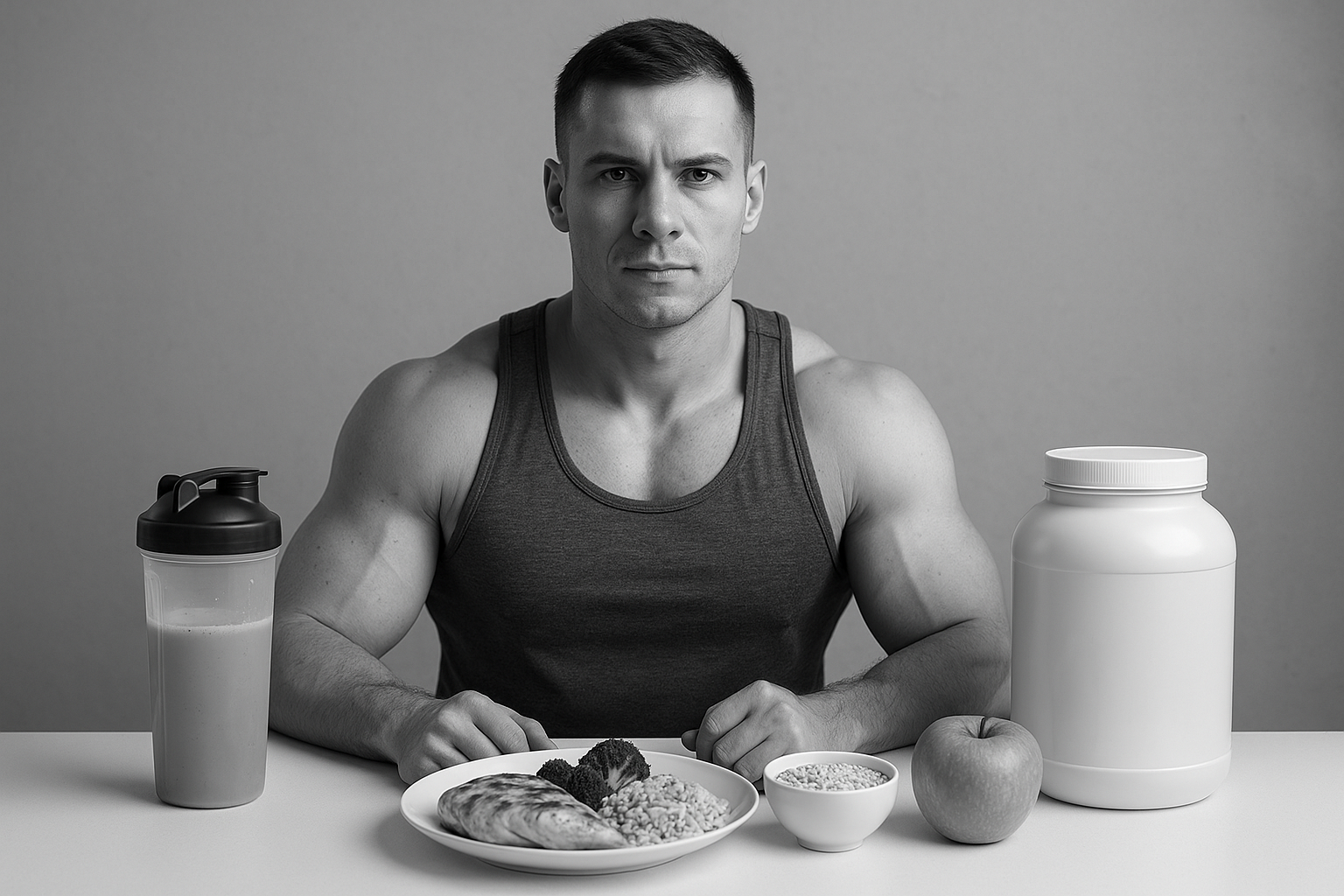
A bulking diet is a structured eating approach designed to help you gain lean body mass—primarily muscle—by consistently eating in a calorie surplus while training with progressive overload. In simple terms: you provide your body with more energy and nutrients than it needs to maintain weight, then you use smart strength training to direct that extra fuel toward muscle growth.
Bulking isn’t the same as “just eating more.” A well-planned bulk balances calories, protein, carbohydrates, and fats to support performance, recovery, and steady gains while minimizing unnecessary fat gain.
Lean Bulk vs. Dirty Bulk: What’s the Difference?
Most bulking strategies fall into two categories:
Lean bulk
A lean bulk uses a smaller calorie surplus and mostly nutrient-dense foods. The goal is slower, steadier weight gain with less fat. This approach can be easier on digestion, energy levels, and long-term body composition.
Dirty bulk
A dirty bulk uses a large calorie surplus and often relies on calorie-dense processed foods to gain weight quickly. While it can increase the scale fast, it usually comes with more fat gain—meaning a longer, tougher cutting phase later.
For most people, a lean bulk is the better choice: it’s sustainable, supports training quality, and typically leads to a better muscle-to-fat gain ratio.
How Many Calories Do You Need to Bulk?
To bulk, you need to eat above your maintenance calories. A practical starting point is:
- Lean bulk: +200 to +300 calories per day
- Moderate bulk: +300 to +500 calories per day
If you’re very active, naturally lean, or struggle to gain weight, you may need a slightly higher surplus. If you gain fat easily, start on the lower end.
How fast should you gain weight?
A useful guideline is aiming to gain about 0.25–0.5% of your body weight per week. For example, a 180 lb person would aim for roughly 0.5–0.9 lb per week. Faster gain often increases fat gain; slower gain may mean your surplus is too small.
Macros for Bulking: Protein, Carbs, and Fats
Calories drive weight gain, but macros determine how well you recover, perform, and build muscle. Here’s how to structure your bulking macros.
Protein
Protein provides the building blocks for muscle. Aim for about 0.7–1.0 grams of protein per pound of body weight (or roughly 1.6–2.2 g/kg). Spread protein across 3–5 meals for easier digestion and consistent muscle protein synthesis.
Carbohydrates
Carbs fuel hard training and help you recover. After setting protein, prioritize carbs to support performance—especially if you lift 3–6 days per week. Carb-rich meals around your workout can improve training output and help you hit progressive overload targets.
Fats
Fats support hormones, joint health, and overall calorie intake. A common target is 20–35% of total calories. Choose mostly unsaturated fats (olive oil, nuts, avocado, fatty fish) and keep saturated fats in moderation.
Best Foods for a Clean Bulk
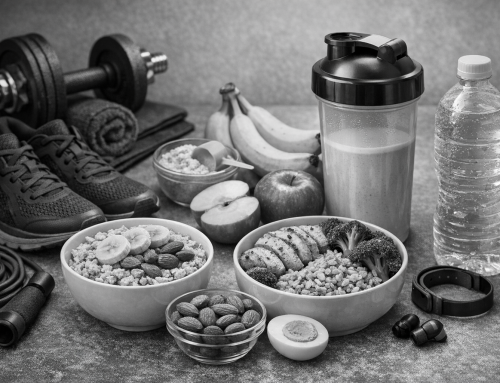
A clean bulk is built around foods that make it easier to eat enough while keeping you energized and healthy. Focus on:
- Protein: chicken, turkey, lean beef, eggs, Greek yogurt, cottage cheese, tofu, tempeh, lentils, whey or plant protein
- Carbs: rice, oats, potatoes, whole-grain bread/pasta, quinoa, fruit, beans
- Fats: olive oil, avocado, nut butters, nuts, seeds, salmon
- Micronutrients & fiber: vegetables (leafy greens, peppers, broccoli), berries, legumes
If your appetite is low, use calorie-dense additions like olive oil, nut butter, trail mix, granola, dried fruit, or whole milk (if tolerated) to boost calories without huge meal volume.
Sample Bulking Meal Plan (1 Day)
This example shows what a balanced day of bulking can look like. Adjust portions to match your calorie target.
Breakfast
- Oats cooked with milk
- 1 scoop whey protein mixed in (or Greek yogurt on the side)
- Banana + tablespoon of peanut butter
Lunch
- Rice bowl with chicken (or tofu)
- Roasted veggies
- Olive oil drizzle or avocado
Pre-workout snack
- Bagel or toast + honey/jam
- Greek yogurt or a protein shake
Dinner
- Salmon (or lean beef) with potatoes
- Side salad with olive oil dressing
Before bed
- Cottage cheese (or casein/plant protein shake)
- Handful of nuts or granola
Training and Lifestyle Tips to Maximize Your Bulk
Food is only half the equation. Your body needs the right training and recovery signals to turn that surplus into muscle.
Progressive overload is non-negotiable
Follow a structured strength program and track lifts. Aim to gradually increase weight, reps, or sets over time while maintaining good form. If your training isn’t progressing, extra calories won’t translate into optimal muscle gain.
Prioritize sleep and recovery
Muscle is built during recovery. Target 7–9 hours of sleep, manage stress, and include rest days. Poor sleep can reduce training performance and make appetite regulation harder.
Stay consistent (not perfect)
Bulking works when weekly habits add up. If you miss your calorie target one day, don’t panic—just get back to your routine and focus on the trend over time.
Common Bulking Mistakes (and How to Avoid Them)
Gaining too fast
Big surpluses often lead to unnecessary fat gain. Use the 0.25–0.5% bodyweight-per-week guideline and adjust calories by 100–200 per day if progress is too slow or too fast.
Not eating enough protein
Protein is the foundation. Hit your daily target consistently and distribute it across meals.
Ignoring food quality
Highly processed foods can make it easy to overeat while leaving you sluggish and under-recovered. Include “fun foods” if you want, but build most meals around quality proteins, carbs, and fats.
Not tracking anything
You don’t need obsessive tracking, but you do need feedback. Weigh yourself 3–5 times per week (use a weekly average), take progress photos, and track gym performance.
Conclusion
A successful bulking diet is all about a controlled calorie surplus, solid protein intake, carb-fueled training, and recovery-focused habits. Start with a lean bulk, monitor your weekly rate of gain, and make small adjustments as needed. With consistency, you’ll build muscle steadily—and keep unwanted fat gain to a minimum.