What Calorie Counting Means (and Why It Works)
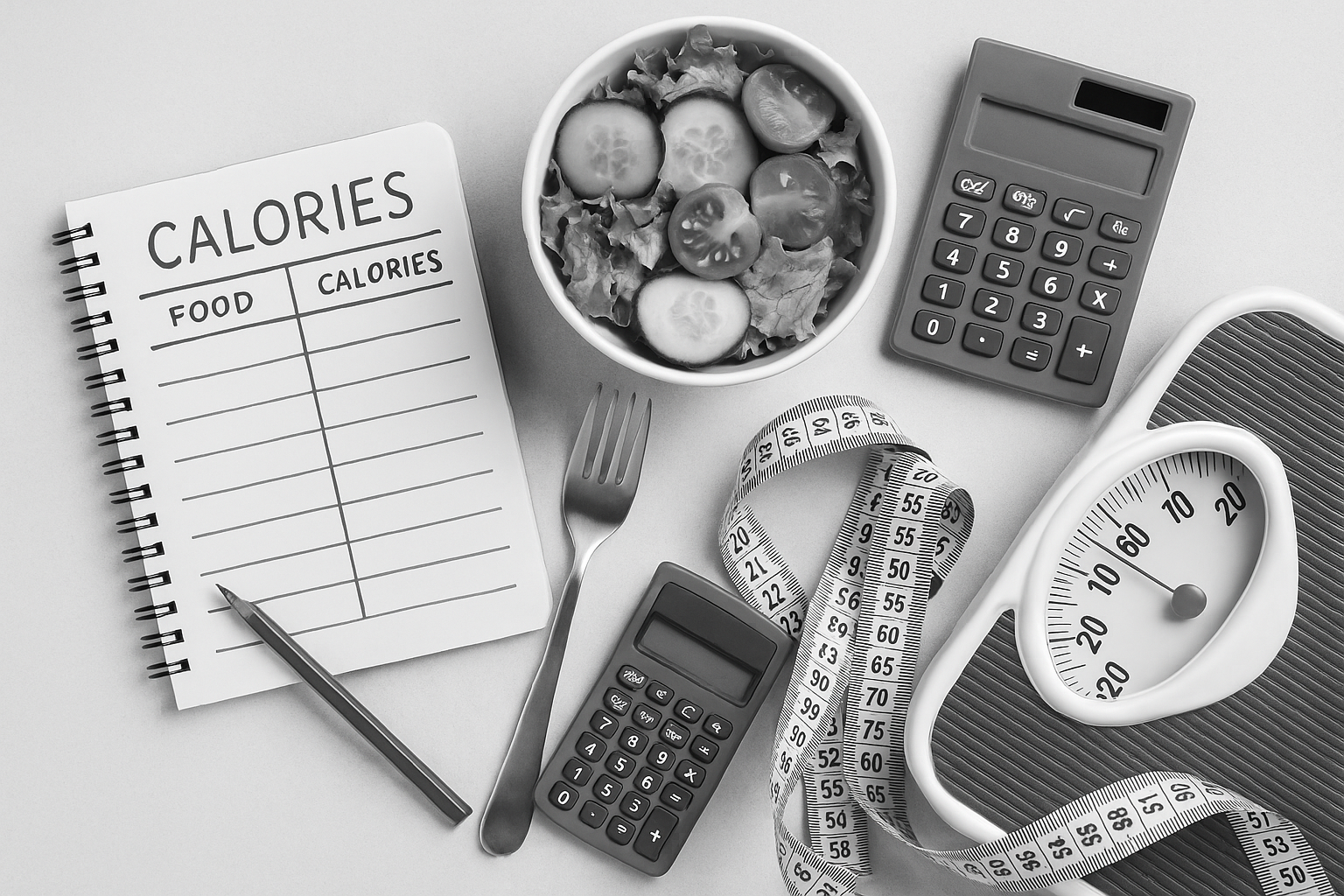
Calorie counting is the practice of tracking how much energy you eat and drink each day. The main reason it works for weight loss is simple: when you consistently consume fewer calories than your body uses, you create a calorie deficit, and your body makes up the difference by using stored energy (including body fat).
That said, calorie counting isn’t about perfection or eating as little as possible. It’s a tool for awareness and consistency—helping you understand portions, patterns, and the real impact of snacks, drinks, and “small bites” that add up over time.
How Weight Loss Really Happens: Calories In vs. Calories Out
Your weight is influenced by many factors—sleep, stress, hormones, activity, and food quality—but energy balance is still the foundation. “Calories in” is what you consume. “Calories out” includes:
- Basal metabolic rate (BMR): calories your body burns at rest
- Daily movement: walking, chores, general activity (often called NEAT)
- Exercise: intentional workouts
- Digestion: energy used to process food (thermic effect of food)
If your average intake is below your average expenditure over time, weight tends to trend down. The key word is average—no single day makes or breaks progress.
Setting Your Calorie Target for Weight Loss
A realistic calorie target helps you lose weight while still feeling energized and satisfied. Most people do best with a moderate deficit rather than an aggressive crash diet.
Estimate Your Maintenance Calories
Your maintenance calories (sometimes called TDEE: total daily energy expenditure) are the approximate calories you need to maintain your current weight. You can estimate this using a reputable online TDEE calculator, which factors in your age, height, weight, sex, and activity level.
Remember: calculators provide a starting point, not a perfect number. Your real maintenance level becomes clearer after a few weeks of consistent tracking.
Choose a Realistic Calorie Deficit
A common approach is reducing maintenance calories by 10–25% or aiming for a loss of about 0.5–1.0% of body weight per week. Faster isn’t always better—too large a deficit can increase hunger, reduce training performance, and make adherence harder.
If you feel constantly exhausted, overly hungry, or notice your workouts and mood tanking, your deficit may be too aggressive.
How to Count Calories Accurately (Without Obsessing)
Accuracy matters, but you don’t need to be perfect. The goal is to get close enough that your weekly averages align with your target.
Use a Food Tracking App (and Build Simple Habits)
Apps can make calorie counting much easier by providing searchable food databases and saving frequent meals. To keep it manageable:
- Track consistently for at least 2–4 weeks to learn your patterns.
- Create “go-to” breakfasts and lunches that are easy to repeat.
- Plan your day loosely (even 10 minutes ahead helps) to avoid end-of-day surprises.
Weigh and Measure When It Matters Most
The biggest tracking errors usually come from calorie-dense foods and portion assumptions. Using a kitchen scale a few times per week can dramatically improve accuracy—especially for:
- Cooking oils, butter, nut butters
- Nuts, granola, trail mix
- Cheese and dressings
- Rice, pasta, and cereal
You don’t have to measure everything forever. Many people use weighing as a short-term “calibration” phase, then switch to estimating familiar portions with reasonable accuracy.
What to Prioritize So You Stay Full and Consistent
Calorie counting works best when you pair it with smart food choices that reduce hunger and make your target easier to stick to.
Protein: The Most Helpful Macro for Weight Loss
Protein supports satiety and helps preserve lean muscle while dieting. Aim to include a protein source at most meals—examples include Greek yogurt, eggs, chicken, fish, tofu, beans, or lean meats. If you lift weights or do regular resistance training, prioritizing protein becomes even more important.
Fiber and Volume: Eat More Food for Fewer Calories
High-fiber foods add bulk and help you feel satisfied on fewer calories. Build meals around:
- Vegetables (salads, stir-fries, roasted veggies)
- Fruits (berries, apples, oranges)
- Beans and lentils
- Whole grains (oats, brown rice, whole wheat)
Soups, potatoes, and big veggie-heavy plates can also be “high volume” options that keep hunger manageable.
Don’t Ignore Enjoyment (It Helps You Adhere)
Weight loss is more sustainable when you include foods you like. Many people find success using an 80/20 approach: most of your intake comes from nutrient-dense foods, while a smaller portion is reserved for treats or restaurant meals that fit your calorie budget.
Common Calorie Counting Mistakes (and How to Avoid Them)
If calorie counting “isn’t working,” it’s often a tracking issue or an expectation issue—not a personal failure.
Underestimating Portions and Cooking Calories
Cooking oils, sauces, and “tastes” while cooking can add significant calories. Measure oils when possible, and track condiments and dressings honestly. If you cook at home often, saving recipes in your tracker can reduce effort and improve consistency.
Forgetting Drinks, Snacks, and Weekends
Liquid calories (coffee add-ins, alcohol, smoothies, juices) can quietly erase a deficit. The same goes for untracked bites: a handful of chips, finishing your kid’s leftovers, or “just one” cookie. Also, many people track weekdays well and then drift on weekends—weekly averages matter most, so consider planning a slightly higher weekend budget if that fits your lifestyle.
Chasing Daily Scale Changes
The scale fluctuates due to water, sodium, glycogen, hormonal shifts, and digestion. Instead of reacting to daily weigh-ins, look at the trend over 2–4 weeks and use consistent weigh-in conditions (same time, similar routine).
How to Adjust When Weight Loss Stalls
Plateaus happen. Before you cut calories further, verify the basics:
- Are you tracking accurately (especially calorie-dense foods)?
- Has your activity level dropped (fewer steps, less daily movement)?
- Have you been consistent for at least 2–3 weeks?
If you’ve been consistent and the trend truly hasn’t moved, try one adjustment at a time:
- Reduce your daily intake by 100–200 calories, or
- Add 1,500–3,000 steps per day, or
- Add 2–3 short strength sessions per week to support muscle and metabolism
Small changes are often enough—especially if your original deficit was modest.
Conclusion
Calorie counting can be a powerful, flexible method for weight loss because it brings clarity to your daily intake and helps you create a consistent calorie deficit. Start with a reasonable target, focus on protein and fiber-rich foods, track the big-ticket items accurately, and judge progress by weekly trends—not day-to-day fluctuations. With a practical approach, calorie counting becomes less about restriction and more about building habits you can maintain.