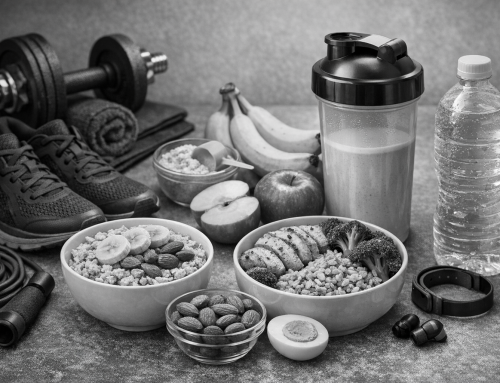

Why cardio helps with weight loss
Cardio (aerobic exercise) supports weight loss primarily by increasing the amount of energy you burn. When you consistently burn more calories than you consume, you create a calorie deficit—an essential condition for losing body fat. Cardio also strengthens your heart and lungs, improves blood sugar control, boosts mood, and can make it easier to stay active throughout the day (which adds even more calorie burn).
That said, cardio works best when it’s part of a bigger strategy. Nutrition, sleep, stress management, and strength training all influence your results. Think of cardio as one powerful tool in the toolbox—not the only one.
The biggest misconception: “More cardio is always better”
It’s easy to assume that doing longer or harder cardio will always lead to faster weight loss. In reality, too much cardio can backfire. Excessive training can increase fatigue and hunger, make workouts feel miserable, and raise the chance of injury—leading to missed sessions and inconsistency.
Also, the body adapts. If you do the same workout at the same intensity every time, it may start to feel easier and burn fewer calories than it did initially. Progress still happens, but it’s usually slower unless you gradually adjust the difficulty, duration, or frequency.
The goal isn’t to “do the most.” The goal is to do the right amount that you can recover from and repeat week after week.
Best types of cardio for weight loss
The “best” cardio is the one that fits your body, preferences, schedule, and recovery. Here are the most effective options and what they’re good for.
1) Low-intensity steady state (LISS)
LISS includes activities like brisk walking, easy cycling, light jogging, swimming at a comfortable pace, or using the elliptical while maintaining a steady, conversational effort. It’s popular for weight loss because it’s easier to recover from, lower impact, and less intimidating for beginners.
- Pros: Lower stress on joints, manageable fatigue, easier to do more often, great for building a routine.
- Cons: Takes more time to burn a similar number of calories compared to higher-intensity options.
2) High-intensity interval training (HIIT)
HIIT alternates short bursts of hard effort with easier recovery periods (for example: 30 seconds hard, 90 seconds easy, repeated 6–10 times). It can be done running, biking, rowing, or even with bodyweight circuits.
- Pros: Time-efficient, improves fitness quickly, can burn a lot of calories in a short session.
- Cons: Higher fatigue, harder to recover from, not ideal every day—especially if you’re also strength training.
If you’re new to exercise, start conservatively. HIIT is effective, but it should be “strategic,” not constant.
3) Incline walking (the underrated fat-loss staple)
Incline treadmill walking (or hiking) is a sweet spot between LISS and more intense cardio. The incline raises your heart rate without the joint impact of running, and many people find it easier to sustain for 20–45 minutes.
- Pros: Great calorie burn, lower impact, easy to progress by adjusting incline/speed.
- Cons: Calves and Achilles can get sore if you increase too quickly—progress gradually.
4) Running (effective, but not required)
Running can be excellent for weight loss because it typically burns more calories per minute than walking. But it’s not mandatory—and it’s not always the best choice if you’re prone to shin splints, knee pain, or if recovery is limited.
If you enjoy running, keep it. If you hate it, choose a cardio type you’ll do consistently.
5) Sports and “fun cardio”
Basketball, soccer, tennis, dancing, boxing classes, or even energetic hiking can absolutely count. Enjoyment is a major predictor of long-term consistency, which matters more than finding the “perfect” workout.
How much cardio should you do to lose weight?
There isn’t one universal number, but most people do well starting with 2–4 cardio sessions per week and adjusting based on progress and recovery. A practical weekly range for many beginners and intermediates is:
- Beginners: 90–150 total minutes/week (mostly LISS, plus steps)
- Intermediate: 150–240 total minutes/week (mix of LISS + 1 HIIT session if desired)
- Advanced: 200–300+ minutes/week (carefully balanced with strength training and recovery)
One of the simplest approaches is to combine structured cardio (planned sessions) with more daily movement (steps, errands on foot, walking meetings). For many people, increasing steps is the most sustainable fat-loss “cardio.”
Cardio vs. strength training: which is better?
For weight loss specifically, both can help create a calorie deficit. The key difference is what they do to your body composition:
- Cardio is efficient for increasing calorie burn and improving cardiovascular fitness.
- Strength training helps you maintain (or build) muscle while dieting, which supports a leaner look and better long-term results.
For most people, the best plan is a combination: 2–4 days of strength training plus 2–4 days of cardio, with at least one easier day for recovery. If your schedule is tight, prioritize strength training and add walking or short cardio sessions around it.
How to build a cardio plan you’ll stick with
Consistency beats intensity. Use these guidelines to create a plan that fits your life and gets results.
Start with a realistic baseline
If you’re currently doing little to no cardio, start with two 20–30 minute sessions per week or simply add a 10–15 minute walk after meals. Small wins build momentum.
Choose a primary cardio style
Pick one main option (walking, cycling, rowing, swimming, jogging) so it’s easy to repeat and track progress. Variety is fine, but too much variety can make it harder to build a habit.
Progress gradually
Increase only one variable at a time: duration, frequency, or intensity. A simple progression is adding 5–10 minutes to one session each week or adding one extra day of cardio after 2–3 consistent weeks.
Use effort cues (not just numbers)
For LISS, aim for a pace where you can talk in short sentences. For HIIT, the “hard” intervals should feel challenging but controlled—avoid going so hard that you’re wiped out for days.
Track what matters
Scale weight is only one data point. Also watch waist measurements, progress photos, workout performance, sleep, and hunger. If your weight is stuck for 2–3 weeks, consider adjusting nutrition, steps, or cardio volume.
Common mistakes that stall fat loss
- Overestimating calories burned: Machines and trackers can be inaccurate. Use them for trends, not precise math.
- Eating back exercise calories: A post-workout treat can erase the deficit quickly.
- Doing only hard workouts: Too much HIIT can increase fatigue and reduce consistency.
- Ignoring recovery: Poor sleep and high stress can increase cravings and reduce performance.
- Skipping strength training: You can lose weight with cardio alone, but muscle retention often suffers.
Sample weekly cardio schedules
Option A: Beginner-friendly (walking focused)
- 2–3 days: 25–40 minutes brisk walking (or incline walking)
- Daily: add 1,000–3,000 steps above your current baseline
Option B: Balanced (cardio + strength)
- 2–3 days: strength training
- 2 days: 30–45 minutes LISS
- 1 day: short HIIT session (10–20 minutes total work)
Option C: Time-crunched
- 3 days: 15–20 minutes incline walk after strength training
- 1 day: longer walk or bike ride (45–60 minutes)
Conclusion
Cardio can be a powerful driver of weight loss, but the best results come from a sustainable plan you can recover from and repeat. Choose a style you enjoy, start with a manageable amount, progress slowly, and pair cardio with smart nutrition and strength training. When your routine is consistent, fat loss becomes far more predictable—and much easier to maintain.