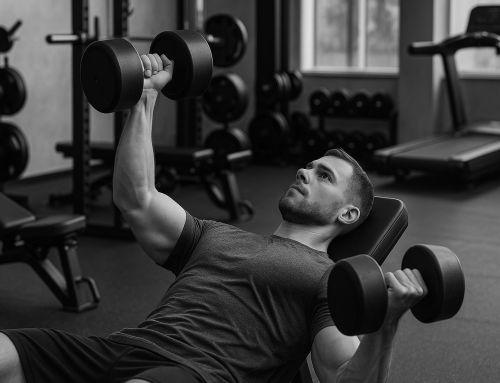

What Are Custom Fitness Plans?
A custom fitness plan is a structured training (and often nutrition and recovery) program designed around your goals, schedule, preferences, and starting point. Instead of following a one-size-fits-all routine, a personalized plan accounts for factors like your current fitness level, injury history, equipment access, and even how you like to train.
The result is a roadmap you can realistically follow—one that progresses at the right pace, targets your priorities, and adapts as your body and lifestyle change.
Why Custom Fitness Plans Work Better Than Generic Programs
They match your goals and starting point
Many popular plans assume a certain baseline: experience with lifting, time for multiple weekly sessions, or the ability to run a specific distance. A custom plan meets you where you are. Whether your focus is fat loss, muscle gain, strength, endurance, mobility, or overall health, the plan can prioritize the right training variables—volume, intensity, frequency, and progression—without overwhelming you.
They reduce guesswork and improve consistency
Consistency is the real driver of results. When your workouts are planned in advance, you waste less time wondering what to do. You show up, follow the session, and move on with your day. That structure is especially helpful on busy weeks when motivation is low, because the plan already made the decisions for you.
They can help prevent injury and burnout
Generic programs often push intensity too quickly or ignore recovery needs. Custom fitness plans can include deloads, rest days, mobility work, and exercise modifications—especially important if you have a history of back pain, knee issues, or shoulder irritation. The goal is progress you can sustain, not a short sprint that leads to nagging injuries.
Key Elements of an Effective Custom Fitness Plan
Clear goals with measurable milestones
“Get fit” is a great intention, but it’s hard to program. A stronger target creates clarity and motivation. Examples include:
- Lose 10 pounds in 12 weeks while maintaining strength
- Do 5 push-ups from the floor within 6 weeks
- Run a comfortable 5K in 10 weeks
- Deadlift your bodyweight for 5 reps in 16 weeks
Milestones provide feedback. If you’re ahead, the plan can progress. If you’re struggling, it can adjust before you get stuck.
A training schedule that fits your real life
The “best” program on paper won’t work if it doesn’t fit your calendar. A quality custom plan considers:
- Available days: 2–6 training days per week
- Session length: 20, 40, or 60 minutes
- Preferred training times: mornings, lunch breaks, evenings
- Recovery capacity: sleep, stress, and work demands
Even two well-designed strength sessions per week can deliver strong results if they’re progressive and consistent.
Exercise selection based on needs, not trends
Custom fitness plans choose exercises that match your body, equipment, and goals. For example:
- Limited equipment: dumbbells, resistance bands, bodyweight progressions
- Gym access: barbells, machines, cables, structured progression
- Joint-friendly options: trap bar deadlifts, split squats, incline pressing, rowing variations
The best exercise is the one you can perform safely, feel in the right muscles, and progress over time.
Progression and periodization
Progression is how your plan ensures you keep improving. This can include:
- Adding reps before adding weight
- Increasing weight in small increments
- Adding sets over time
- Reducing rest periods for conditioning goals
Periodization simply means organizing training into phases (for example, 4–6 weeks focused on building volume, followed by a strength-focused block). This reduces plateaus and helps manage fatigue.
Recovery built into the plan
Recovery isn’t what you do when you’re not training—it’s part of training. A custom plan may include:
- Rest days and lighter sessions
- Warm-ups tailored to your mobility needs
- Sleep targets and stress management basics
- Steps or low-intensity cardio for active recovery
When recovery improves, performance improves—and results follow.
How to Create Your Own Custom Fitness Plan (Step-by-Step)
Step 1: Assess your baseline
Start with a simple snapshot of your current fitness. You can note:
- Current weekly activity (workouts, steps, sports)
- Strength benchmarks (e.g., push-ups, squats, deadlifts) or estimated loads
- Cardio benchmarks (e.g., walk/jog time, easy pace, heart rate response)
- Mobility and pain points (tight hips, shoulder discomfort, etc.)
This helps you choose the right starting volume and intensity instead of guessing.
Step 2: Choose a goal and a time frame
Pick one primary goal for the next 8–12 weeks. You can still train other qualities, but a single focus makes programming clearer. If you’re new or restarting, prioritize consistency and fundamentals—strength, movement quality, and a manageable routine.
Step 3: Pick your weekly structure
Match your plan to the number of days you can truly commit to. Examples:
- 2 days/week: full-body strength + optional walking
- 3 days/week: full-body strength (A/B/C) or upper/lower/full
- 4 days/week: upper/lower split or push/pull/legs + full-body
If fat loss is a goal, daily movement (like steps) often matters as much as workout selection.
Step 4: Build each workout with the right ingredients
A balanced session typically includes:
- Warm-up: 5–10 minutes of light cardio + mobility + activation
- Main lifts: 1–2 key movements aligned with your goal
- Accessory work: supportive exercises for weak points and balance
- Conditioning (optional): intervals or steady cardio based on preference
- Cool-down: brief stretching or breathing to downshift
Step 5: Set progression rules
Decide how you’ll progress before you start. A simple method is a “double progression” approach: use a rep range (like 8–12). When you can hit the top end for all sets with good form, increase the load slightly next session.
Step 6: Track and adjust every 2–4 weeks
Customization isn’t one-and-done. Review:
- Are you getting stronger or improving performance markers?
- Is soreness manageable?
- Are you missing sessions due to time or fatigue?
- Do you enjoy the routine enough to stick with it?
Small tweaks—swapping an exercise, reducing volume, or adjusting frequency—keep the plan aligned with your life and progress.
Common Mistakes to Avoid with Custom Fitness Plans
Doing too much too soon
More isn’t always better—especially at the beginning. Starting with an aggressive plan can lead to excessive soreness, missed sessions, and burnout. Build momentum first, then add volume or intensity gradually.
Copying someone else’s routine without context
A plan that works for a competitive lifter, a fitness influencer, or your friend may not fit your training age, recovery, or schedule. Use outside programs for ideas, but tailor the details—especially volume, exercise selection, and frequency.
Ignoring nutrition and daily movement
Training is powerful, but results often hinge on basics: protein intake, total calories, hydration, sleep, and overall activity. If your goal is fat loss, workouts help—but consistent daily movement and nutrition habits are usually the deciding factors.
Not planning for plateaus
Progress isn’t perfectly linear. Expect weeks where performance stalls. That’s normal. What matters is having a plan to respond: adjust loads, reduce fatigue with a deload, improve sleep, or change one variable at a time instead of overhauling everything.
Conclusion
Custom fitness plans work because they reflect your goals, your body, and your lifestyle—not an idealized version of your week. Start with a clear objective, build a realistic schedule, include smart progression, and review your results regularly. With a plan that truly fits you, consistency gets easier—and progress becomes something you can sustain.