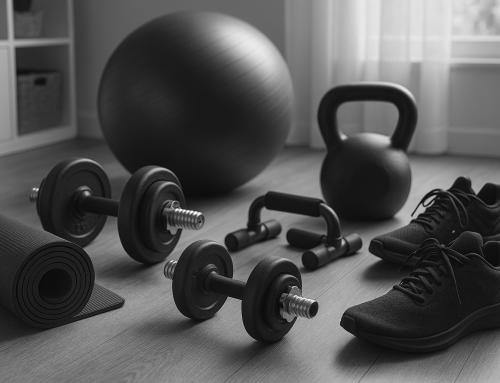

Why a Daily Workout Routine Matters
Creating a daily workout routine isn’t about training to exhaustion every day — it’s about building consistent movement habits that support strength, energy, mood, and long-term health. A well-structured daily plan helps reduce decision fatigue, improves adherence, and ensures steady progress whether your goal is fat loss, muscle gain, or simply feeling better each day.
Benefits of Daily Movement
Physical improvements
Regular exercise enhances cardiovascular health, increases muscular strength and endurance, and improves flexibility and balance. Small, consistent sessions often yield better long-term results than sporadic intense workouts.
Mental and lifestyle benefits
Daily activity reduces stress, boosts mood through endorphins, improves sleep quality, and sharpens focus. It becomes a positive habit that ripples into nutrition choices, productivity, and overall wellbeing.
How to Design Your Daily Workout Routine
Start with realistic goals
Decide what you want to achieve: better stamina, more muscle, weight management, or daily mobility. Set specific, measurable, and time-bound targets (for example: “Complete three 30-minute strength sessions per week and walk 10,000 steps daily”).
Choose frequency and duration
Daily doesn’t mean hour-long sessions. Aim for 20–60 minutes depending on your schedule and intensity. Incorporate a mix of higher-intensity days and low-intensity active recovery days to avoid burnout.
Mix training types
- Strength training: Builds muscle and supports metabolic health. Include compound lifts or bodyweight progressions.
- Cardio: Improves heart health. Use steady-state cardio or interval training.
- Mobility and flexibility: Yoga, stretching, and joint mobility enhance range of motion and reduce injury risk.
- Balance and coordination: Useful for aging well and improving athleticism.
Example Daily Structure
Warm-up (5–10 minutes)
Start every session with a dynamic warm-up to increase blood flow and prime movement patterns: light cardio (jumping jacks, brisk walk), dynamic stretches (leg swings, arm circles), and movement-specific drills.
Main session (15–40 minutes)
Alternate focus throughout the week. For strength days, perform 3–5 sets of 6–12 reps for major movements (squats, push-ups, rows). For cardio days, use a 20–30 minute run, bike, or HIIT session. Keep intensity manageable and progress load or duration gradually.
Cool-down and mobility (5–10 minutes)
Finish with light stretching, foam rolling, or mobility work to aid recovery and maintain flexibility. Focus on areas that felt tight or worked hard during the session.
Optional extras
Add short walks between tasks, post-work mobility breaks, or quick core circuits if time allows. These extras keep daily activity levels high without requiring long dedicated sessions.
Sample Weekly Plan
Beginner
- Mon: Full-body bodyweight strength (25 min)
- Tue: Brisk walk or light jog (30 min)
- Wed: Mobility + core (20 min)
- Thu: Strength (bodyweight + resistance band, 30 min)
- Fri: Cardio intervals (20 min)
- Sat: Active recovery: yoga or long walk (30–45 min)
- Sun: Light mobility and rest
Intermediate
- Mon: Lower-body strength (40 min)
- Tue: HIIT cardio (20–30 min)
- Wed: Upper-body strength + mobility (40 min)
- Thu: Steady-state cardio (40 min)
- Fri: Full-body circuit (30–40 min)
- Sat: Active recovery: hiking or cycling (45–60 min)
- Sun: Stretching and foam rolling
Tips for Consistency and Progress
Keep it simple
Simple routines are easier to maintain. Focus on a few core movements and build small, sustainable improvements each week.
Track progress
Log workouts, weights, reps, or times. Seeing progression—even small wins—keeps motivation high.
Prioritize recovery
Sleep, hydration, and nutrition are part of your daily routine. Schedule rest days and listen to your body to prevent injuries.
Vary and adapt
Change exercises, rep ranges, or cardio formats every 4–8 weeks to avoid plateaus and keep training enjoyable.
Conclusion
A thoughtful daily workout routine blends realistic goals, variety, and recovery. By committing to consistent movement and simple progressive steps, you’ll build strength, improve energy, and make fitness a sustainable part of your life. Start small, stay consistent, and adjust as you grow.