Why Choose to Workout at Home
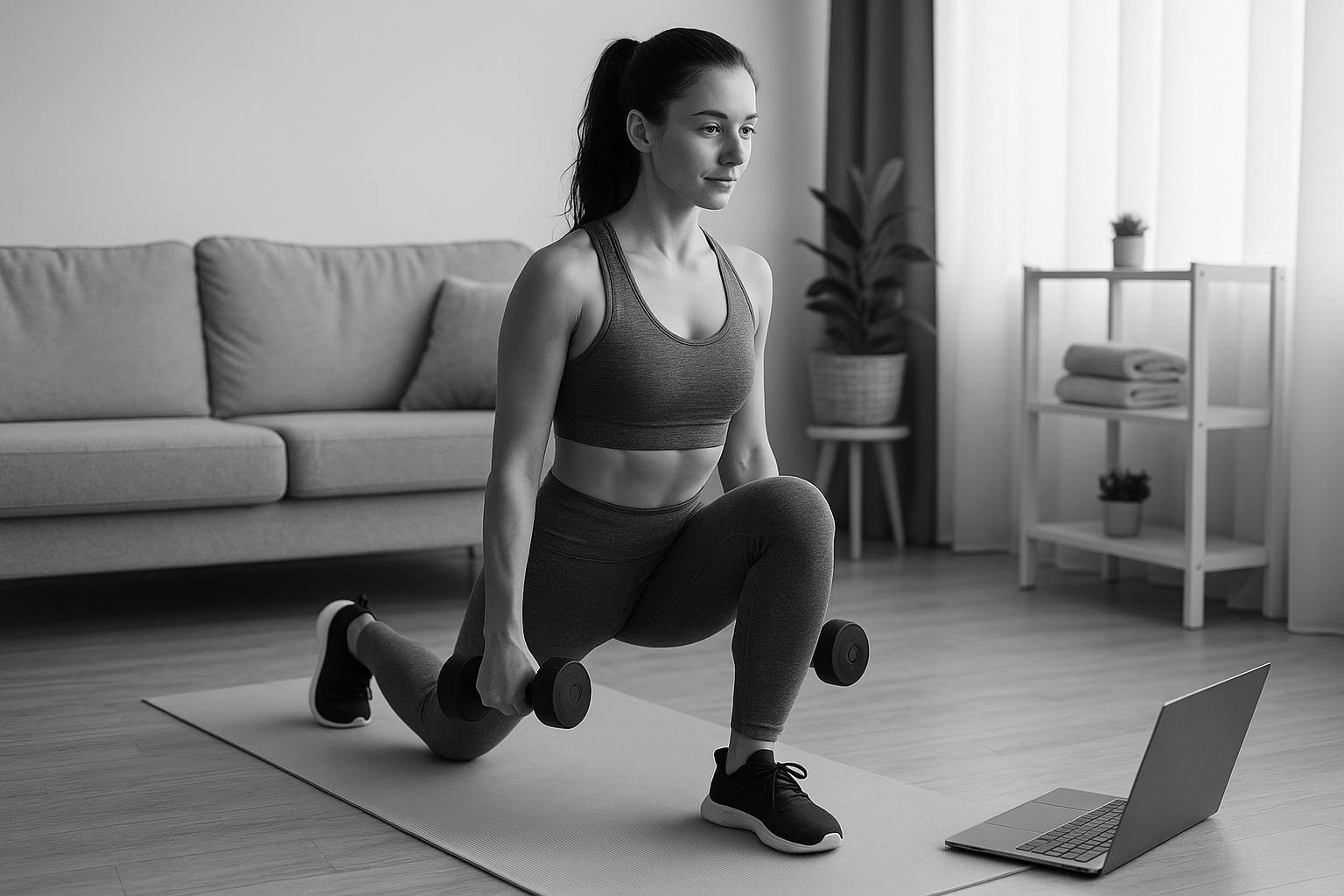
Working out at home is convenient, flexible, and often more affordable than a gym membership. Whether you’re short on time, prefer privacy, or want a sustainable routine that fits your life, home workouts can deliver strength, endurance, mobility, and improved mental health. With simple planning and consistency, you can make serious progress without leaving your living room.
Benefits
- Time-saving: No commute or waiting for equipment.
- Cost-effective: Bodyweight workouts and minimal equipment work well.
- Flexible scheduling: Easily fit sessions around work, family, or travel.
- Privacy and comfort: Great for beginners or anyone who prefers a private setting.
Getting Started: Space, Equipment, Mindset
Setting Up Your Space
You don’t need a large area—a clear 6 to 8 foot square is enough for most workouts. Choose a flat surface with good traction, add a mat for comfort, and ensure adequate lighting and ventilation. Keep water, a towel, and a timer nearby to minimize interruptions.
Essential Equipment and Budget Alternatives
Start with basic, versatile items:
- Exercise mat — protects joints and defines your workout zone.
- Resistance bands — inexpensive and excellent for progressive strength work.
- Adjustable dumbbells or kettlebell — optional but helpful for loading movements.
- Chair or sturdy coffee table — useful for step-ups, tricep dips, and support.
Alternatives: canned goods, water jugs, or a backpack filled with books can substitute for weights. Use a towel for sliding exercises on hardwood floors.
Building an Effective Home Workout Routine
Types of Workouts to Include
- Strength (2–3x per week): Focus on compound movements like squats, lunges, push-ups, and rows.
- Cardio (2–4x per week): Interval training, brisk walking, jump rope, or stair climbing raise heart rate and burn calories.
- Mobility and flexibility (daily/after workouts): Dynamic warm-ups and static stretches to improve range of motion and recovery.
- Recovery (1–2x per week): Light activity, foam rolling, and sleep to support progress.
Sample Weekly Plan
- Monday — Full-body strength (45 min)
- Tuesday — Cardio intervals (20–30 min)
- Wednesday — Mobility + light activity (30 min)
- Thursday — Lower-body strength (40 min)
- Friday — HIIT or circuit (20–30 min)
- Saturday — Active recovery (walk, yoga)
- Sunday — Rest
Sample Workouts
Beginner Full-Body (30–35 minutes)
- Warm-up: 5 min brisk march and arm circles
- Circuit — 3 rounds: 10 bodyweight squats, 8–10 incline push-ups (hands on chair), 10 glute bridges, 20-sec plank
- Cooldown: 5 min stretching (hamstrings, chest, hips)
30-Minute Intermediate Strength
- Warm-up: 5 min dynamic (leg swings, hip openers)
- 3 sets: 8–12 goblet squats, 8–10 single-arm rows per side, 10 Romanian deadlifts, 12 walking lunges (total)
- Core finisher: 3x 30-sec side planks
15-Minute HIIT (No Equipment)
- 20 sec on / 10 sec off x 8 rounds: alternating between burpees and high knees
- Repeat with 1-min rest between 2 rounds
- Cooldown: 3–5 min light stretch
Safety, Form, and Progression
Warm-up and Cooldown
Always warm up for 5–10 minutes to increase blood flow and reduce injury risk. After workouts, cool down with light movement and stretching to support recovery.
How to Progress
Progress by increasing reps, sets, resistance, or reducing rest time. Track your workouts and aim to improve one variable every 1–2 weeks. If form breaks down, reduce load or reps and focus on technique.
Staying Motivated and Consistent
Tracking Progress and Accountability
Keep a simple workout log or use an app to record exercises, sets, and how you feel. Set short-term goals (e.g., add 5 push-ups in 4 weeks) and celebrate small wins. Partner with a friend for accountability or join an online community for support.
Overcoming Common Obstacles
- Time: Break workouts into 10–15 minute sessions if needed.
- Space: Use bodyweight and creative props for effective training.
- Motivation: Schedule workouts like appointments and vary routines to avoid boredom.
Conclusion
Working out at home is realistic and effective when you plan thoughtfully, prioritize consistency, and focus on progression. With a small space, minimal equipment, and the right mindset, you can build strength, improve endurance, and maintain long-term fitness without a gym.