What Makes a Workout Session “Effective”?
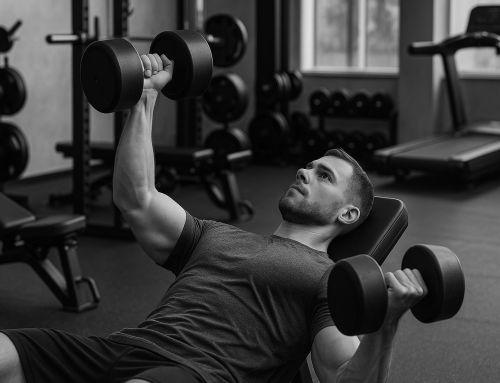
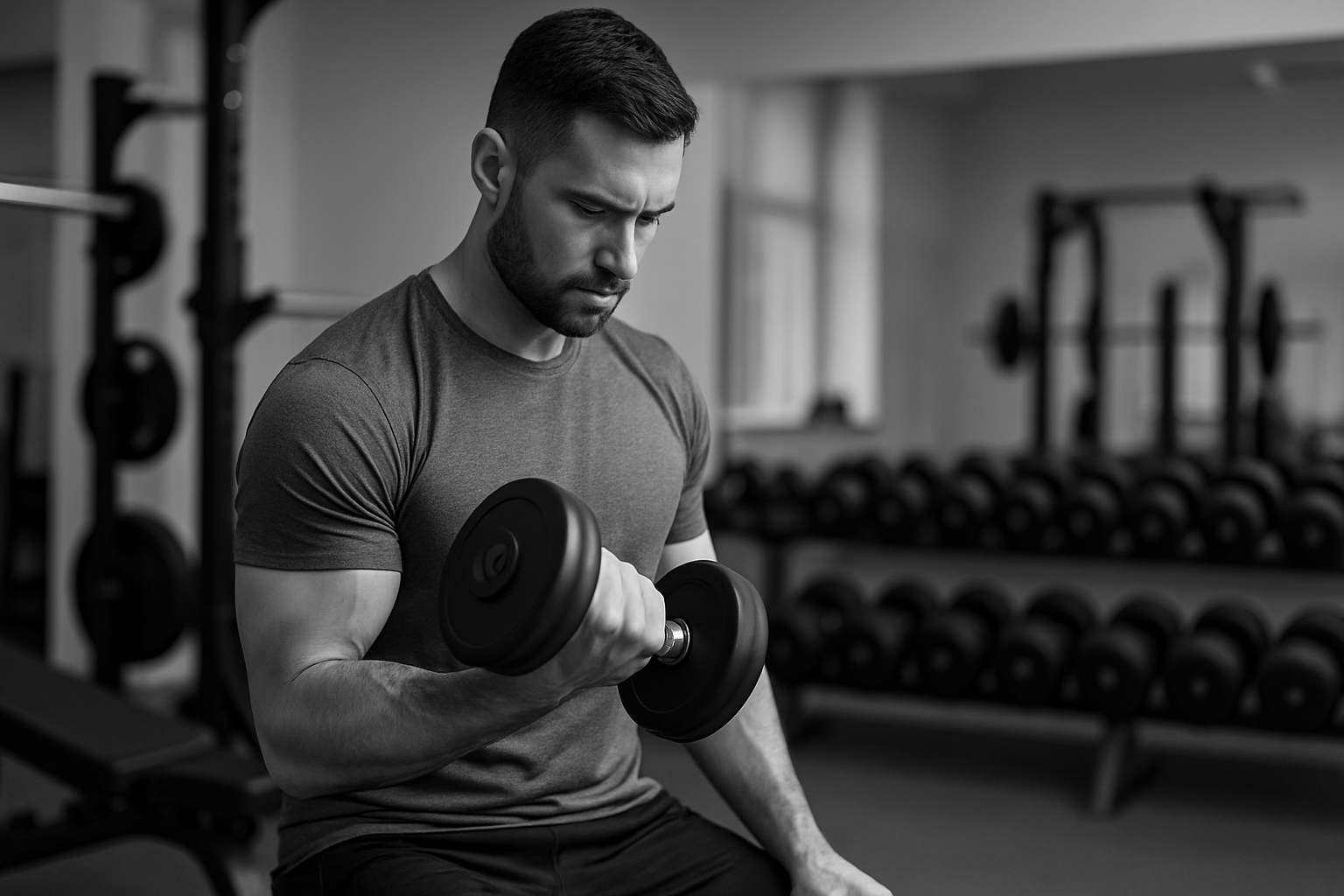
An effective workout session is one that moves you measurably toward your goal—whether that’s building muscle, improving endurance, losing fat, getting stronger, or simply feeling better—while keeping recovery and injury risk in check. Effectiveness isn’t defined by how exhausted you feel at the end. Instead, it comes down to choosing the right exercises, applying the right level of challenge, progressing over time, and consistently showing up.
Before you plan your next session, ask one simple question: What is this workout meant to improve? Clear intent helps you avoid random training and makes each minute you spend in the gym (or at home) count.
Set Clear Goals and Match Your Training
Goals determine the structure of your session. If you want strength, you’ll prioritize heavier loads and longer rest. If you want conditioning, you’ll emphasize sustained effort, intervals, or shorter rest periods. When your workout matches your goal, progress becomes easier to track and motivation tends to rise because results feel earned and predictable.
Examples of goal-aligned training
- Strength: Low-to-moderate reps (3–6), heavier weights, longer rests (2–4 minutes).
- Muscle growth (hypertrophy): Moderate reps (6–12), moderate-to-high effort, rests (60–120 seconds).
- Fat loss: Calorie deficit is key; workouts focus on maintaining muscle (strength + hypertrophy) and adding sustainable cardio.
- Endurance: Longer steady-state sessions or structured intervals; gradual weekly volume increases.
It’s also normal to have more than one goal. In that case, pick a primary goal for the next 8–12 weeks and let other goals play a supporting role.
Structure Your Session for Maximum Results
A well-built workout follows a logical flow: prepare the body, execute the most demanding work while fresh, then finish with supportive training and recovery. This approach improves performance, reduces injury risk, and helps you get more out of the same time.
1) Warm-up with purpose (5–10 minutes)
Skip the random stretching routine and warm up in a way that supports what you’re about to do. A good warm-up increases blood flow, primes mobility, and “switches on” key muscles.
- General warm-up: 3–5 minutes of light cardio (bike, brisk walk, rower).
- Dynamic mobility: Leg swings, hip openers, thoracic rotations.
- Movement prep: A few lighter sets of your first lift (gradually increasing weight).
2) Put compound lifts first
Compound movements train multiple muscle groups at once, giving you a high return on effort. They’re also the lifts where good technique matters most, so doing them early—when you’re focused and not fatigued—is a smart move.
Examples include squats, deadlifts, bench press, overhead press, rows, pull-ups, lunges, and hip hinges. If you train at home, compound patterns can be done with dumbbells, kettlebells, resistance bands, or bodyweight variations.
3) Add accessory work to fix weak links
Accessory exercises support your main lifts, improve muscle balance, and help you target areas that need extra attention. Think hamstring curls to support knee stability, face pulls for shoulder health, or single-leg work to address imbalances.
Keep accessory work focused and efficient. A few high-quality sets beat a long list of “just in case” exercises.
4) Finish with conditioning (optional)
Conditioning can improve heart health, work capacity, and calorie burn. The key is choosing a method that fits your goal and recovery. If strength or muscle is the priority, keep conditioning short and strategic so it doesn’t drain your ability to lift well in future sessions.
- Low impact steady-state: 15–30 minutes incline walking, cycling, or rowing.
- Intervals: 6–10 rounds of 20–30 seconds hard, 60–90 seconds easy.
Progressive Overload: The Engine of Improvement
If your workouts never change, your body has no reason to adapt. Progressive overload means gradually increasing the challenge over time. That doesn’t always mean adding more weight every session—especially if you’re new, returning after time off, or managing stress.
Simple ways to progress
- Add 2–5 lb (1–2 kg) to a lift when you hit your rep target with good form.
- Add 1–2 reps per set at the same weight.
- Add a set (carefully) to key lifts.
- Improve range of motion or control (slower tempo, better stability).
- Reduce rest time slightly for accessory work.
Track at least a few basics—exercise, sets, reps, and weight—to make progress visible and repeatable.
Intensity, Volume, and Rest: Get the Balance Right
Many workouts fail not because people don’t work hard, but because they work hard in the wrong way. The right mix of intensity (how challenging), volume (how much work), and rest (how much recovery) keeps your training productive.
Practical guidelines
- Train close to failure—strategically: For muscle growth, many sets can end 1–3 reps shy of failure. Save true all-out sets for safer movements and occasional tests.
- Respect rest periods: Heavy compounds often need 2–4 minutes. Accessories typically need 60–120 seconds. Rushing rest reduces performance and can degrade form.
- Don’t max out every week: Progress is built through repeatable, recoverable training. Consistency beats heroic sessions.
Nutrition, Hydration, and Sleep: The Hidden Half of Effective Workouts
Your workout is the stimulus. Results come from how well you recover from that stimulus. Under-fueling and under-sleeping can make a “perfect” training plan feel ineffective.
Recovery basics that make sessions work
- Protein: Aim for a consistent daily intake (often 1.6–2.2 g/kg bodyweight is used for muscle-focused goals).
- Carbs: Helpful for performance, especially for high-volume lifting or conditioning.
- Hydration: Even mild dehydration can reduce strength and endurance. Drink regularly throughout the day.
- Sleep: Prioritize 7–9 hours when possible. Sleep supports muscle repair, hormones, and motivation.
Common Mistakes That Make Workouts Less Effective
A few small missteps can quietly stall progress. Fixing these often leads to noticeable improvements within weeks.
- Doing too much, too soon: Excess volume leads to soreness, poor recovery, and inconsistent training.
- Program hopping: Switching routines weekly prevents progression and skill development.
- Ignoring form: Poor technique reduces muscle stimulus and raises injury risk.
- Not tracking anything: If you don’t measure, it’s hard to improve.
- All intensity, no plan: Sweat isn’t a strategy—progression is.
Sample Effective Workout Session (45–60 Minutes)
Use this as a template and adjust exercises based on your equipment and goals.
- Warm-up (8 minutes): 3 minutes easy cardio + dynamic mobility + 2–3 ramp-up sets for first lift
- Main lift (15–20 minutes): Squat or deadlift variation — 3–5 sets of 3–8 reps
- Secondary lift (10–15 minutes): Bench press or overhead press — 3–4 sets of 6–10 reps
- Pull + accessory (10 minutes): Row or pull-up variation — 3 sets of 8–12 reps
- Core or carry (5–8 minutes): Planks, dead bugs, farmer carries — 2–3 rounds
- Optional conditioning (8–12 minutes): Bike intervals or incline walk
Keep the session focused. Leave the gym feeling like you could do a bit more—especially if you want to train consistently week after week.
Conclusion
Effective workout sessions aren’t about doing everything—they’re about doing the right things with intent and progression. Set a clear goal, structure your session smartly, apply progressive overload, and protect recovery with good sleep and nutrition. When you train with a plan you can repeat, results become a matter of time and consistency.