
Why Exercise Matters for Weight Loss
Losing weight reliably requires creating a calorie deficit, and exercise is one of the most powerful and sustainable ways to increase calorie burn, preserve lean muscle, and improve metabolic health. While diet typically drives the largest immediate changes, combining a focused workout strategy with sensible nutrition accelerates fat loss, improves body composition, and supports long-term maintenance.
Principles of an Effective Weight-Loss Workout
Frequency and Duration
Aim for at least 3 to 5 structured workouts per week. Sessions between 30 and 60 minutes are effective for most people. Shorter, more intense sessions can match longer moderate workouts in calorie burn, but consistency matters more than perfect timing—find a schedule you can sustain.
Intensity and Progression
Intensity drives adaptation. Include a mix of moderate-intensity steady work and higher-intensity intervals. Gradually increase difficulty by adding weight, reps, or sprint intervals, or by shortening rest periods. Progressive overload prevents plateaus and protects muscle mass as you lose fat.
Balance of Cardio and Strength
Cardio boosts calorie burn and cardiovascular fitness, while strength training preserves and builds muscle, which keeps your resting metabolic rate higher. A balanced plan prioritizes both: roughly 2–4 strength sessions plus 2–4 cardio or interval sessions per week, depending on your goals and fitness level.
Best Types of Workouts for Weight Loss
High-Intensity Interval Training (HIIT)
HIIT alternates short bursts of near-maximal effort with recovery periods. It burns a lot of calories in a short time and can increase post-exercise calorie burn (EPOC). Example: 20–30 minutes of 30 seconds hard effort and 90 seconds easy recovery on a bike or running.
Strength Training
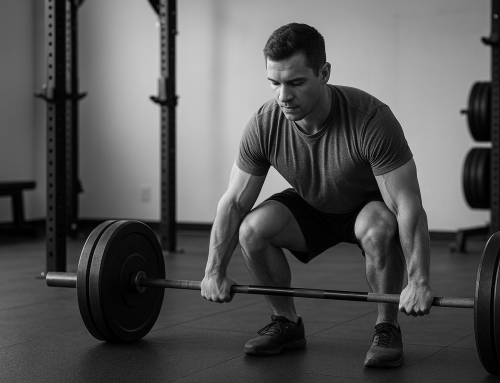
Full-body resistance training 2–4 times a week builds lean mass and improves shape. Focus on compound lifts like squats, deadlifts, presses, and rows. For fat loss, aim for 3–4 sets of 6–12 reps, or use circuit formats to increase cardiovascular demand.
Steady-State Cardio
Lower-intensity steady-state cardio such as jogging, cycling, or brisk walking is accessible and low risk. Longer sessions (30–60+ minutes) can add meaningful calorie burn and support recovery when done on lower-intensity days.
Low-Impact Options
For beginners or those with joint issues, swimming, rowing, elliptical, and brisk walking deliver cardio benefits with less joint stress. Low-impact HIIT formats can also be effective and more sustainable for many people.
Sample Weekly Workout Plan
- Monday: Full-body strength (45 min) — squats, push presses, rows, core work
- Tuesday: HIIT (20–25 min) — sprints or bike intervals
- Wednesday: Active recovery — walk or light swim (30–45 min)
- Thursday: Upper/lower split strength (45 min) + short metcon
- Friday: Steady-state cardio (40–60 min) — jog or cycle
- Saturday: Circuit training or mixed HIIT and strength (30–40 min)
- Sunday: Rest or mobility/yoga
Adjust volume and intensity to your fitness level and recovery capacity.
Practical Tips for Success
Nutrition and Recovery
Exercise alone is rarely enough. Pair workouts with a modest calorie deficit, adequate protein (around 0.7–1.0 grams per pound of body weight), and balanced macros to support performance and recovery. Sleep and active recovery days are essential—muscles grow and hormones balance when you rest.
Tracking Progress
Use multiple metrics: scale weight, body measurements, progress photos, strength gains, and fitness improvements. Weekly pacing helps avoid overreacting to normal fluctuations. Celebrate non-scale victories like increased energy, better sleep, and improved endurance.
Staying Consistent and Motivated
Find workouts you enjoy and vary routines to avoid boredom. Training partners, classes, or apps can boost adherence. Set small, measurable goals and reward progress along the way.
Safety Considerations
Start slowly if you are new to exercise or returning after a break. Warm up before sessions and cool down after. Use proper technique to reduce injury risk—consider a few sessions with a certified trainer to learn form. Consult a healthcare provider before beginning a new program if you have chronic health conditions.
Conclusion
Effective weight-loss workouts combine a mix of strength training, cardio, and progressive overload, paired with sensible nutrition and recovery. Consistency, gradual progression, and enjoyment are the keys to sustainable results. Build a plan that fits your life, track progress, and adjust as you improve.