Understanding “Fast” Weight Loss: What’s Realistic and What’s Not
Fast weight loss is often marketed as dramatic, effortless change in a short time. In reality, the scale can drop quickly for a few reasons—fat loss, water loss, and reduced food volume in your digestive system. The most sustainable “fast” results typically come from tightening habits that reduce calories while protecting muscle, sleep, and energy.
Many people can lose noticeable weight in the first 1–2 weeks, especially if they were previously eating a high-sodium, high-carb diet. Some of that early drop is water weight. Fat loss is slower, but it’s the kind of loss you want to keep.
Fast Weight Loss Methods That Are Backed by Evidence
If you want quick results without setting yourself up for a rebound, focus on methods that reliably improve calorie balance, appetite control, and adherence.
1) Create a Moderate Calorie Deficit (Not a Crash Diet)
A calorie deficit is the driver of fat loss. The “fast but reasonable” approach is a moderate deficit you can maintain—large enough to see weekly progress, but not so extreme that you’re exhausted, constantly hungry, or losing muscle.
- Use portion structure: Build meals around lean protein, high-volume vegetables, and a measured portion of carbs/fats.
- Reduce liquid calories: Sugary drinks, specialty coffees, and alcohol can stall progress quickly.
- Keep it consistent: Consistency across 5–6 days per week often beats an aggressive 2-day push followed by a rebound.
2) Prioritize Protein to Reduce Hunger and Preserve Muscle
Higher-protein diets tend to improve fullness and help preserve lean mass during weight loss—both important when your goal is to look and feel better quickly. Aim to include protein at every meal (and in snacks when needed).
- Easy protein options: Greek yogurt, eggs/egg whites, chicken/turkey, fish, tofu/tempeh, cottage cheese, lean beef, protein powder.
- Simple rule: Make protein the “anchor” of each meal, then add fiber-rich carbs and healthy fats around it.
3) Increase Daily Movement (NEAT) for Faster Calorie Burn
NEAT (non-exercise activity thermogenesis) includes all the movement you do outside of workouts—walking, cleaning, taking stairs, standing more. It’s a powerful lever for faster weight loss because it’s easier to do frequently and can add up to a meaningful calorie burn.
- Step goal: Work toward 7,000–10,000 steps/day if your body tolerates it.
- Make it automatic: 10-minute walks after meals, walking calls, parking farther away.
4) Combine Strength Training + Short Cardio Sessions
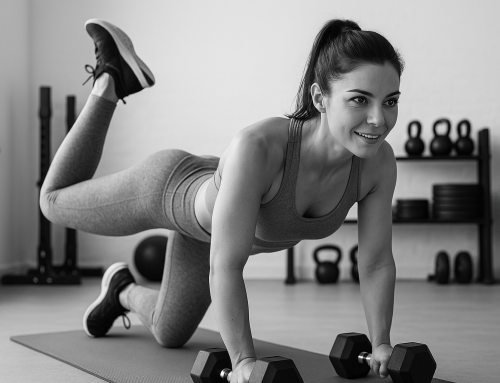
For fast body composition changes, strength training helps maintain (or build) muscle while you lose fat—making you look leaner sooner. Add cardio strategically for additional calorie burn and heart health.
- Strength: 2–4 sessions/week focusing on major movement patterns (squat/hinge/push/pull/carry).
- Cardio: 2–3 short sessions/week (20–30 minutes) or brisk incline walking.
- Avoid extremes: Too much cardio combined with too little food can increase fatigue and make adherence harder.
5) Use High-Fiber Foods to Get Full on Fewer Calories
Fiber increases satiety and helps you stay consistent with a calorie deficit—without white-knuckling hunger. Focus on whole foods that add volume for relatively few calories.
- Top picks: leafy greens, broccoli, peppers, berries, apples, beans/lentils, oats, chia seeds.
- Quick win: Add a big salad or extra vegetables to lunch and dinner.
Popular “Rapid” Approaches: Pros, Cons, and Who They May Fit
Some methods can lead to faster scale changes, but they vary in sustainability. The best plan is the one you can follow while still living your life.
Low-Carb or Keto
Why it feels fast: Reducing carbs often lowers water weight and appetite quickly. For some people, this makes it easier to maintain a calorie deficit.
Watch-outs: Strict plans can be hard socially, and early rapid loss may slow once water weight stabilizes. Focus on whole-food fats and plenty of vegetables.
Intermittent Fasting
Why it works: A shorter eating window can reduce total calories without counting. Many people find it simplifies decisions.
Watch-outs: If fasting leads to overeating later, it can backfire. It may also not be ideal if you have a history of disordered eating or certain medical conditions.
Very Low-Calorie Diets (VLCDs)
Why it’s fast: A very low intake can produce rapid weight loss, but it should only be done with medical supervision.
Watch-outs: Risks include nutrient deficiencies, fatigue, and gallstones, and it’s difficult to maintain. This is not a DIY strategy.
How to Lose Weight Fast Without Rebounding
Rapid loss is only a win if you can keep it off. These habits help you maintain momentum once the “new plan” excitement fades.
Track the Right Metrics
- Weigh consistently: Use weekly averages to smooth daily fluctuations.
- Measure progress: Waist/hip measurements and progress photos often show changes before the scale does.
- Monitor adherence: Track protein intake, steps, and workout consistency—these predict results.
Plan for Weekends and Eating Out
Many “fast weight loss” plans fail on weekends. Decide in advance how you’ll handle meals out: pick a protein-centered entrée, add vegetables, and keep calorie-dense extras (apps, desserts, alcohol) intentional rather than automatic.
Protect Sleep and Stress Levels
Poor sleep and high stress can increase cravings and reduce willpower. Even simple upgrades—consistent bedtime, limiting late-night screen time, and a short wind-down routine—can improve appetite control and training performance.
Safety First: Red Flags to Avoid
Fast results aren’t worth risking your health. Avoid methods that promise extreme weekly losses, rely on laxatives or “detox” products, or eliminate entire food groups without a clear reason.
- Be cautious with: “Cleanse” teas, unregulated fat burners, severe restriction, or plans under 1,200 calories/day without medical guidance.
- Consider medical advice if: you have diabetes, heart disease, thyroid conditions, are pregnant/breastfeeding, or take medications affected by weight or diet changes.
Conclusion
The fastest healthy weight loss methods focus on a sustainable calorie deficit, higher protein, daily movement, smart training, and high-fiber foods. If you want quick progress you can keep, choose the approach you can follow for weeks—not just days—and prioritize habits that protect your energy, sleep, and muscle.