Gym Plans for Building Muscle: What Actually Works
Building muscle isn’t about finding a “perfect” workout—it’s about following a structured plan long enough to accumulate quality training, progressive overload, and recovery. The best gym plans for building muscle combine smart exercise selection, the right weekly volume, consistent progression, and a schedule you can realistically stick to.
In this post, you’ll learn how to set up an effective muscle-building plan and see ready-to-use templates for different schedules.
The Building Blocks of an Effective Muscle-Building Plan
Progressive overload (the growth driver)
Muscle grows when your body is challenged beyond what it’s adapted to. Progressive overload simply means increasing the training stimulus over time. You can do this by:
- Adding reps (e.g., 8 to 10 reps with the same weight)
- Adding weight (e.g., 135 to 140 lbs while keeping reps similar)
- Adding sets (e.g., 3 sets to 4 sets)
- Improving technique or range of motion (often overlooked)
A reliable approach is to use a rep range (like 6–10 or 8–12). When you hit the top end for all sets with good form, increase weight next time.
Volume, intensity, and frequency (how much to do)
For most lifters, a strong starting point is 10–20 hard sets per muscle group per week. “Hard” sets are sets taken close to failure (generally 1–3 reps in reserve).
- Intensity: Use loads that let you work mostly in the 5–15 rep range for main lifts.
- Frequency: Training each muscle 2x per week often works better than once weekly because it spreads quality volume across the week.
If you’re newer, start at the lower end of weekly sets and build up gradually.
Exercise selection (compounds + smart accessories)
Great muscle-building plans prioritize big compound lifts and support them with accessories that target muscles through full ranges of motion.
- Compounds: Squat patterns, hip hinges (RDL/deadlift variations), presses (bench/overhead), and pulls (rows/pull-ups).
- Accessories: Leg curls, lateral raises, cable flyes, triceps extensions, biceps curls, calf raises, and core work.
Choose exercises you can perform consistently with good form and that fit your joints and equipment.
Rest, recovery, and nutrition (where growth happens)
Training is the stimulus—recovery is the build phase. To support muscle gain:
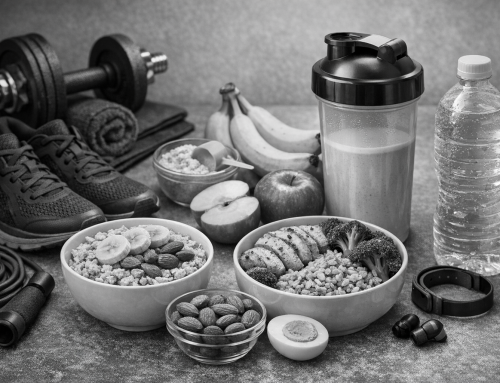
- Protein: Aim for roughly 0.7–1.0g per lb of body weight per day (or 1.6–2.2g/kg).
- Calories: A small surplus (about 200–300 calories/day) helps maximize growth.
- Sleep: Target 7–9 hours nightly.
- Rest between sets: For big lifts, rest 2–3 minutes; for accessories, 60–90 seconds often works well.
How to Choose the Right Gym Plan for Your Schedule
3 days/week: full-body training
If you can train three days per week, full-body sessions are hard to beat. You’ll hit each muscle multiple times weekly while keeping the plan simple.
Weekly structure: Monday / Wednesday / Friday
4 days/week: upper/lower split
Four days per week is a sweet spot for many lifters. Upper/lower splits balance frequency and recovery and allow more total volume than a 3-day plan.
Weekly structure: Upper / Lower / Rest / Upper / Lower
5–6 days/week: push/pull/legs (PPL)
If you enjoy training often and recover well, PPL lets you emphasize specific muscle groups and accumulate volume without marathon sessions.
Weekly structure (6 days): Push / Pull / Legs / Push / Pull / Legs
Sample Gym Plans for Building Muscle (Choose One)
Plan A: 3-Day Full-Body (Beginner to Intermediate)
Goal: Efficient muscle gain with manageable volume. Use 1–2 warm-up sets for your first compound lift.
Day 1
- Back Squat: 3–4 sets x 5–8 reps
- Bench Press: 3–4 x 6–10
- Lat Pulldown or Pull-Up: 3–4 x 6–12
- Romanian Deadlift: 2–3 x 8–12
- Plank: 2–3 x 30–60 sec
Day 2
- Deadlift (or Trap Bar Deadlift): 2–4 x 3–6
- Overhead Press: 3–4 x 6–10
- DB Row (or Cable Row): 3–4 x 8–12
- Leg Curl: 2–3 x 10–15
- DB Curl + Triceps Pressdown (superset): 2–3 x 10–15 each
Day 3
- Front Squat or Leg Press: 3–4 x 8–12
- Incline DB Press: 3–4 x 8–12
- Seated Row: 3–4 x 8–12
- Lateral Raise: 2–4 x 12–20
- Calf Raise: 3 x 10–15
Plan B: 4-Day Upper/Lower (Intermediate)
Upper 1
- Bench Press: 4 x 5–8
- Chest-Supported Row: 4 x 6–10
- Incline DB Press: 3 x 8–12
- Lat Pulldown: 3 x 8–12
- Lateral Raise: 3 x 12–20
- Triceps Extension: 2–3 x 10–15
Lower 1
- Back Squat: 4 x 5–8
- RDL: 3 x 6–10
- Leg Press: 3 x 10–15
- Leg Curl: 3 x 10–15
- Calf Raise: 4 x 8–15
Upper 2
- Overhead Press: 4 x 6–10
- Pull-Up (assisted if needed): 4 x 6–10
- Cable Flye: 3 x 10–15
- Seated Cable Row: 3 x 8–12
- DB Curl: 3 x 10–15
- Face Pull: 2–3 x 12–20
Lower 2
- Deadlift (or Trap Bar): 3 x 3–6
- Bulgarian Split Squat: 3 x 8–12 per leg
- Hip Thrust: 3 x 8–12
- Leg Extension: 2–3 x 12–15
- Core (Cable Crunch or Ab Wheel): 3 x 8–15
Plan C: 6-Day Push/Pull/Legs (Advanced or High-Frequency)
Push
- Bench Press: 3–4 x 5–8
- Incline DB Press: 3 x 8–12
- Overhead Press: 2–3 x 6–10
- Lateral Raise: 3–5 x 12–20
- Triceps Pressdown: 3 x 10–15
Pull
- Weighted Pull-Up or Lat Pulldown: 4 x 6–10
- Barbell or DB Row: 3–4 x 6–10
- Rear Delt Flye: 3 x 12–20
- Barbell Curl: 3 x 8–12
- Hammer Curl: 2–3 x 10–15
Legs
- Squat (or Leg Press): 4 x 5–10
- RDL: 3 x 6–10
- Leg Curl: 3 x 10–15
- Leg Extension: 2–3 x 12–15
- Calf Raise: 4 x 10–15
Repeat Push/Pull/Legs with slight variations (e.g., incline focus on Push 2, chest-supported row on Pull 2, split squats on Legs 2) to manage fatigue and keep progress moving.
How to Progress Week to Week (Without Overcomplicating)
Use double progression
Pick a rep range (like 8–12). Stay with the same weight until you can hit 12 reps on all sets with clean form, then increase weight and return to 8–9 reps.
Deload when needed
If performance stalls for 2–3 weeks, joints feel beat up, or motivation tanks, take a deload week: reduce volume by ~30–50% and keep weights moderate. This often sets you up for a strong next phase.
Common Mistakes That Stall Muscle Gain
Doing too much, too soon
More isn’t always better. If soreness never improves and your lifts aren’t climbing, you likely need less volume or better recovery—not a more brutal plan.
Skipping the basics
Isolation work is useful, but your plan should be anchored by consistent progression on squat/hinge/press/pull patterns.
Not eating enough protein (or total calories)
Even a perfect gym plan won’t build much muscle if you’re under-fueled. Track intake for a week if you’re unsure—you may be eating less than you think.
Conclusion: The Best Gym Plan Is the One You Can Progress
Gym plans for building muscle work best when they’re simple, consistent, and progressive. Choose a schedule you can maintain, train each muscle 2x per week when possible, focus on high-quality hard sets, and nudge performance upward over time. Pair that with adequate protein, a modest calorie surplus, and solid sleep, and you’ll have a repeatable blueprint for long-term muscle growth.