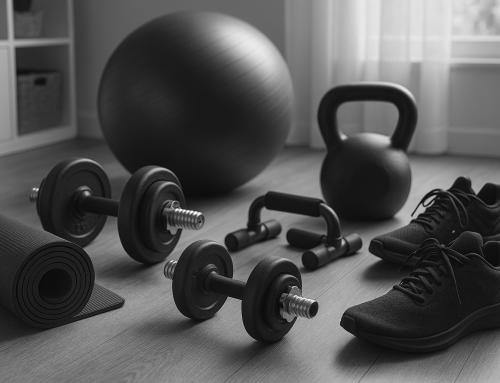

Why a structured gym workout plan matters
A clear gym workout plan turns random gym sessions into consistent progress. Structure helps you prioritize goals, reduce injury risk, and measure improvements. Whether you want to build muscle, improve endurance, or lose fat, a plan creates accountability and efficiency so every minute in the gym counts.
How to set realistic goals
Assess your fitness level
Start with a simple baseline: a bodyweight squat test, push-up max, a timed 1-mile or 2-km walk/run, and a body composition check (scale, tape measure, or photos). Note any injuries or mobility limits. This snapshot lets you choose appropriate starting weights and cardio intensities.
Define SMART goals
Make goals Specific, Measurable, Achievable, Relevant, and Time-bound. Examples: “Gain 4 pounds of lean mass in 12 weeks,” or “Run 30 minutes continuously in 6 weeks.” SMART goals guide exercise choice and progression.
Components of an effective gym workout plan
Strength training
Strength work should form the backbone of your plan. Focus on compound lifts—squat, deadlift, bench press, overhead press, rows, and pull-ups—to build strength and muscle efficiently. Use a mix of rep ranges: 4–6 reps for strength, 8–12 for hypertrophy, and 12–20 for muscular endurance and technique work.
Cardio
Cardio supports heart health and fat loss. Choose steady-state (moderate intensity for 20–45 minutes) or interval training (HIIT) 2–4 times per week based on your goals and recovery. Keep sessions short and purposeful if your main goal is strength.
Mobility & flexibility
Include dynamic warm-ups before workouts and 5–10 minutes of mobility work after sessions. Hip, thoracic spine, and ankle mobility pay high dividends for lifts like squats and deadlifts.
Rest and recovery
Recovery is where progress happens. Schedule at least 1–2 full rest days weekly, sleep 7–9 hours per night, and manage stress. Active recovery—light walking or mobility—can speed up recovery while keeping you consistent.
Sample 4-week gym workout plan (Beginner to Intermediate)
This 4-week template is a balanced push/pull/legs split with two cardio days. Adjust volume and weight to your fitness level.
Weekly schedule
- Monday — Push (Chest, Shoulders, Triceps)
- Tuesday — Cardio + Core
- Wednesday — Pull (Back, Biceps)
- Thursday — Rest or Active Recovery
- Friday — Legs (Quads, Hamstrings, Glutes)
- Saturday — Full-body light circuit or HIIT
- Sunday — Rest
Exercise examples and sets/reps
- Push Day: Bench Press 4×6–8, Overhead Press 3×6–8, Incline Dumbbell Press 3×8–12, Lateral Raises 3×12–15, Triceps Dips 3×8–12
- Pull Day: Deadlift or Romanian Deadlift 3×5–6, Bent-over Row 4×6–8, Pull-ups or Lat Pulldown 3×6–10, Face Pulls 3×12–15, Biceps Curl 3×8–12
- Leg Day: Squat 4×5–8, Lunges or Bulgarian Split Squat 3×8–10 per leg, Hamstring Curl 3×10–12, Calf Raises 4×12–15
- Cardio/Core: 20–30 minutes steady-state cardio or 12–20 minutes HIIT. Core circuit: Planks 3x45s, Russian Twists 3×20, Hanging Leg Raises 3×10–15
- Saturday Circuit: 3 rounds of 8–10 exercises (kettlebell swings, goblet squats, push-ups, rows, jump rope) with minimal rest
Progression: increase weight when you can complete the top of the rep range with good form, or add a set/repeat tempo changes for variety.
Nutrition and supplementation basics
Nutrition is critical. For muscle gain, aim for a slight caloric surplus (250–500 kcal/day) with 1.6–2.2 g protein/kg bodyweight. For fat loss, a moderate deficit (300–500 kcal/day) while maintaining high protein preserves muscle. Prioritize whole foods: lean protein, vegetables, whole grains, healthy fats. Supplements like whey protein, creatine monohydrate, and a basic multivitamin can help but aren’t required.
How to adjust and progress your plan
Track workouts, weights, reps, and perceived exertion. If progress stalls for 2–4 weeks, try one of the following: reduce volume to recover, increase intensity with heavier weights, or swap exercises to break plateaus. Reassess goals every 4–8 weeks and change blocks (focus on strength vs hypertrophy) to keep adaptation happening.
Conclusion
A well-structured gym workout plan focuses on consistency, progressive overload, balanced training components, and recovery. Start with clear goals, follow the sample 4-week plan, track your progress, and make small adjustments over time. With patience and steady effort, results will follow.