
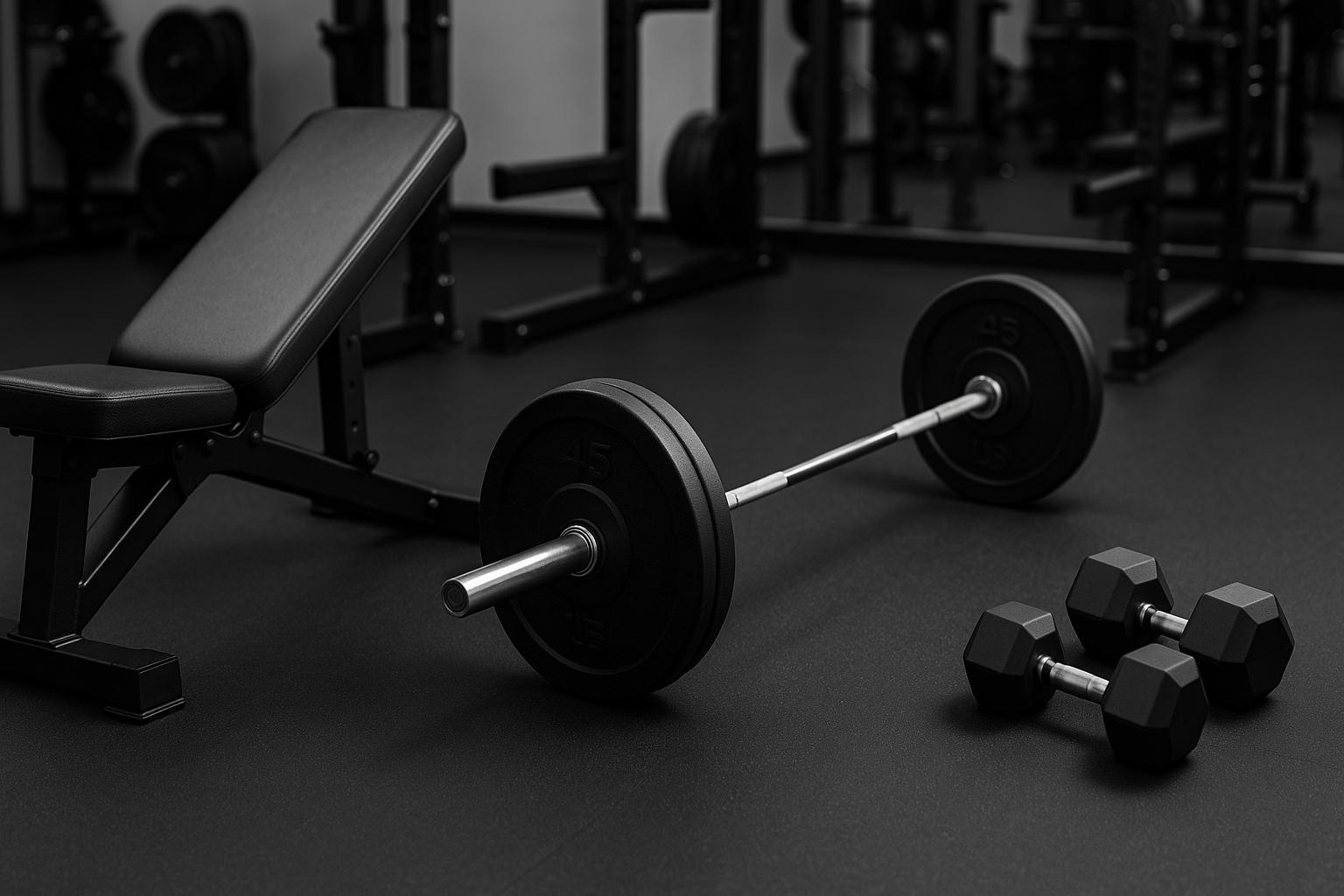
Why You Need a Gym Workout Plan
A gym workout plan takes the guesswork out of training. Instead of bouncing between random machines and exercises, you’ll follow a structured routine that balances strength training, muscle-building volume, recovery, and progressive overload (gradually doing a bit more over time). The result is better consistency, fewer stalled weeks, and a lower risk of overuse injuries.
A solid plan also helps you match training to your goal—whether that’s building muscle, getting stronger, losing fat, or simply feeling fitter. The key is choosing a schedule you can stick to, focusing on big compound lifts, and tracking your workouts so you can progress.
How to Choose the Right Workout Split
Your “split” is how you divide training across the week. The best split is the one you can recover from and repeat consistently.
- 3 days/week: Full-body training (great for beginners and busy schedules).
- 4 days/week: Upper/Lower split (excellent balance of volume and recovery).
- 5–6 days/week: Push/Pull/Legs (higher volume for intermediate lifters who recover well).
For most people, a 4-day Upper/Lower plan is the sweet spot: frequent enough to progress quickly, but not so intense that recovery becomes a problem.
Your Weekly Gym Workout Plan (4 Days)
This plan focuses on the major movement patterns: squat, hinge, push, pull, and carry/core. Aim for 60–75 minutes per session. Rest 90–150 seconds on big lifts and 45–90 seconds on smaller accessory work.
Day 1: Upper Body (Strength Focus)
- Barbell Bench Press: 4 sets × 4–6 reps
- Pull-Ups or Lat Pulldown: 4 × 6–8
- Overhead Press: 3 × 5–8
- Chest-Supported Row or Seated Cable Row: 3 × 6–10
- Dumbbell Incline Press: 2–3 × 8–12
- Face Pulls: 2–3 × 12–15
- Optional arms (superset): Cable Curl 2 × 10–12 + Triceps Rope Pressdown 2 × 10–12
Tip: Keep 1–2 reps “in the tank” on most sets (stop before true failure) to stay strong across the whole workout.
Day 2: Lower Body (Strength Focus)
- Back Squat: 4 × 4–6
- Romanian Deadlift: 3 × 6–10
- Leg Press: 3 × 8–12
- Leg Curl (machine): 3 × 10–12
- Calf Raises: 3 × 10–15
- Core: Plank 3 × 30–60 seconds
Tip: Squat depth and control matter more than adding weight quickly. Use a range of motion you can own with good form.
Day 3: Upper Body (Hypertrophy Focus)
- Dumbbell Bench Press: 3 × 8–12
- One-Arm Dumbbell Row: 3 × 8–12 each side
- Incline Bench or Machine Press: 3 × 10–12
- Lat Pulldown (different grip from Day 1): 3 × 10–12
- Lateral Raises: 3 × 12–20
- Rear Delt Fly (machine or cables): 2–3 × 12–20
- Arms (superset): Hammer Curl 3 × 10–12 + Overhead Triceps Extension 3 × 10–12
Tip: On hypertrophy days, controlled reps and a good muscle contraction are the goal. Lighten the weight if you’re swinging or rushing.
Day 4: Lower Body (Hypertrophy + Athletic)
- Deadlift (traditional or trap bar): 3 × 3–5 or 4 × 5 (moderate)
- Front Squat or Goblet Squat: 3 × 8–10
- Walking Lunges: 3 × 10–12 steps each leg
- Hip Thrust or Glute Bridge: 3 × 8–12
- Leg Extension: 2–3 × 12–15
- Core: Hanging Knee Raises 3 × 8–12
Tip: If deadlifts drain you, keep them heavier but lower volume, and focus on pristine technique.
Warm-Up, Cooldown, and Mobility
A good warm-up improves performance and reduces injury risk. Use this simple 8–12 minute sequence before lifting:
- General warm-up: 3–5 minutes brisk incline walk, bike, or row
- Dynamic mobility: hip hinges, arm circles, bodyweight lunges, band pull-aparts (1–2 rounds)
- Ramp-up sets: 2–4 lighter sets of your first big lift before working sets
After training, a cooldown can be brief: 2–5 minutes easy cardio and a few gentle stretches for the muscles you trained.
Progression: How to Keep Getting Stronger
Progressive overload is the engine of results. Here are reliable ways to progress without burning out:
- Add reps first: When you can hit the top of the rep range on all sets, increase weight next session.
- Add small weight jumps: 2.5–5 lb for upper body, 5–10 lb for lower body when ready.
- Add a set sparingly: If recovery is good, add 1 set to one or two key exercises (not everything).
- Deload every 6–10 weeks: Reduce weight and/or sets for 1 week to recover and come back stronger.
Simple rule: If form breaks down, the weight is too heavy for productive training today.
Cardio and Conditioning (Optional but Helpful)
You don’t need hours of cardio to be fit. Add 2–3 short sessions per week depending on your goal:
- For general health: 20–30 minutes moderate cardio (walk, bike, incline treadmill) 2×/week
- For fat loss: 20–40 minutes moderate cardio 2–3×/week, or 10–15 minutes intervals 1–2×/week
- For performance: sled pushes, rowing intervals, or circuits 1–2×/week
Place cardio after lifting or on rest days so it doesn’t sap your strength workouts.
Common Mistakes to Avoid
- Skipping tracking: Write down weights, reps, and sets so you can progress logically.
- Training to failure every set: Save all-out sets for occasional accessories; consistent quality beats constant exhaustion.
- Ignoring recovery: Sleep, protein intake, and rest days are part of the plan.
- Changing workouts too often: Run the same core lifts for at least 6–8 weeks before major changes.
- Poor technique under load: If you’re unsure, ask a coach or record your lifts to check form.
Conclusion
A well-structured gym workout plan doesn’t have to be complicated: train 4 days per week, prioritize compound lifts, add smart accessory work, and progress gradually. Stick with this routine for 8–12 weeks, track your numbers, and focus on recovery—those simple habits are what produce long-term strength, muscle, and confidence in the gym.