
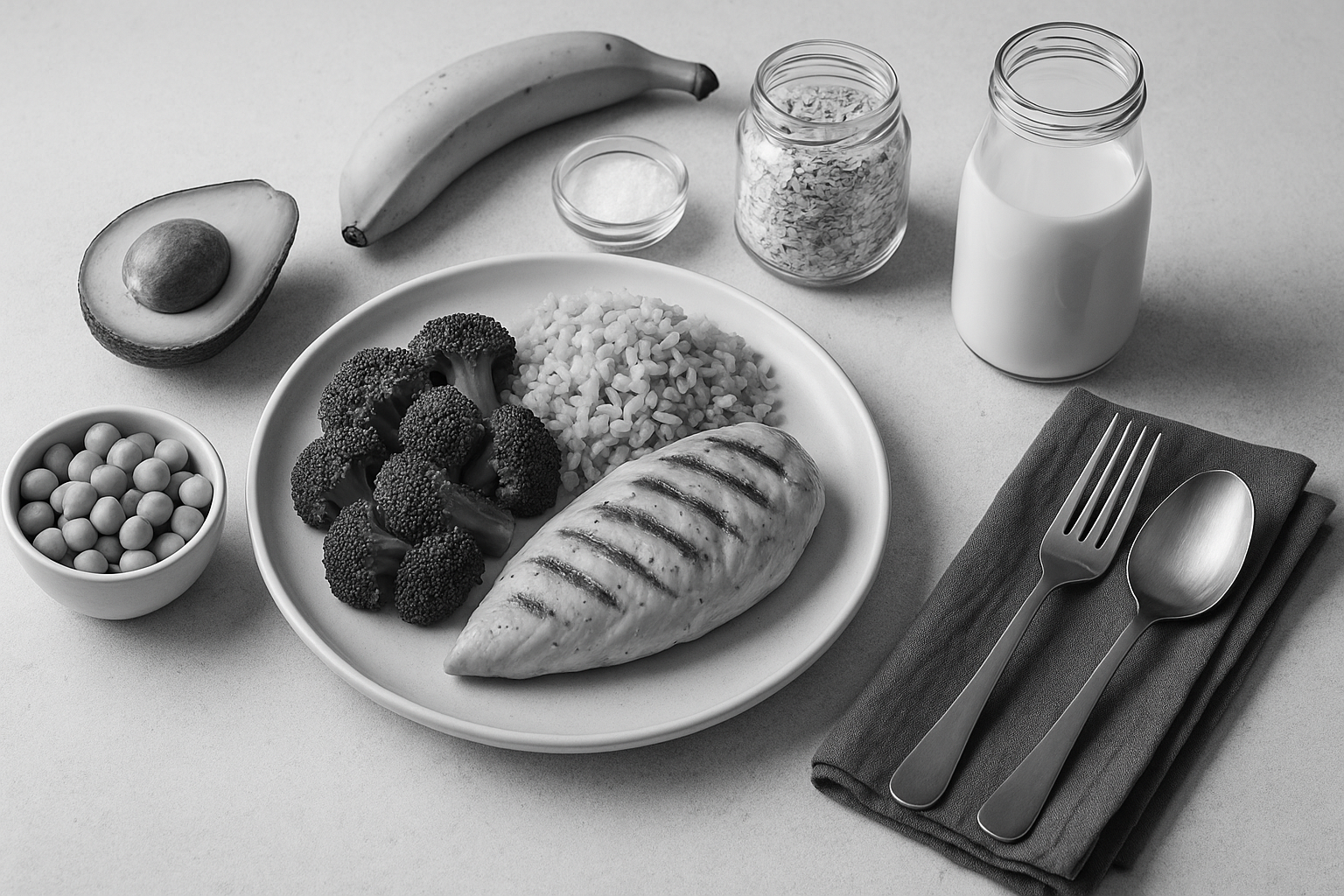
Why healthy eating doesn’t have to be expensive
Healthy eating often gets labeled as “too pricey,” but in many cases the opposite is true—especially when you focus on simple ingredients, smart planning, and less food waste. The biggest budget-busters tend to be convenience foods, takeout, single-serve items, and buying groceries without a plan. With a few practical strategies, you can build filling, nutrient-dense meals around affordable staples like beans, eggs, oats, frozen vegetables, and seasonal produce.
The goal isn’t perfection. It’s consistency: choosing foods that support your health most days while keeping your grocery bill realistic.
Start with a plan (and stick to it)
Build meals around what you already have
Before you shop, do a quick “inventory check” of your pantry, fridge, and freezer. Note what needs to be used soon (like spinach, yogurt, leftover rice, or a can of chickpeas). Then plan meals that naturally use those items. This simple habit reduces waste—one of the fastest ways to save money.
Use a simple weekly meal framework
Planning doesn’t need to be complicated. A basic framework can keep you organized and prevent overspending:
- 2–3 breakfasts you can repeat (oatmeal, eggs + toast, yogurt + fruit)
- 2 lunches that make great leftovers (lentil soup, grain bowls, chicken salad)
- 3–4 dinners built around affordable proteins (beans, eggs, canned fish, tofu, chicken thighs)
- 1 flexible meal for leftovers or a “clean-out-the-fridge” stir-fry
Repeating a few meals is a budget superpower: you buy fewer ingredients, waste less, and cook more efficiently.
Create a list that matches your plan
Once meals are set, write a shopping list based on the ingredients you actually need. Organize it by store section (produce, dairy, pantry, frozen) to avoid impulse buys. If you shop online, use your cart as a “budget guardrail” and remove extras before checkout.
Shop smarter: the budget-friendly nutrition essentials
Choose affordable proteins
Protein can be one of the most expensive categories, but there are plenty of nutritious low-cost options:
- Beans and lentils (dry or canned): great for soups, tacos, salads, and curries
- Eggs: versatile for breakfast, fried rice, frittatas, and egg salad
- Canned fish (tuna, salmon, sardines): quick protein for sandwiches, pasta, and bowls
- Chicken thighs or drumsticks: often cheaper and more flavorful than breast meat
- Tofu and tempeh: cost-effective, long-lasting, and easy to season
Tip: If you eat meat, try using it as an ingredient instead of the entire meal—think stir-fries, soups, or tacos where vegetables and grains do most of the “volume” work.
Buy produce strategically (fresh, frozen, and seasonal)
You don’t need all fresh produce to eat well. A mix often costs less and reduces spoilage:
- Seasonal produce is usually cheaper and tastes better.
- Frozen fruits and vegetables are picked at peak ripeness, last longer, and are perfect for smoothies, soups, and sheet-pan meals.
- “Value” fresh options like carrots, cabbage, onions, bananas, apples, and potatoes are typically budget-friendly year-round.
If salad greens tend to go bad in your fridge, switch to sturdier options (cabbage slaw, kale, romaine hearts) or buy frozen greens for soups and sautés.
Lean on whole grains and pantry staples
Staples form the backbone of low-cost healthy meals:
- Oats (breakfast, baking, overnight oats)
- Rice, pasta, quinoa, bulgur (choose what fits your budget and preferences)
- Canned tomatoes (soups, chili, pasta sauce)
- Nut butters (snacks, sauces, oatmeal)
- Spices (even a small set—garlic powder, cumin, chili flakes, Italian seasoning—goes far)
Store brands are often nearly identical to name brands. Compare unit prices (price per ounce/pound) to find the best deal.
Cook more, waste less
Batch cook building blocks, not just meals
Batch cooking doesn’t have to mean eating the same thing all week. Instead, prep flexible “building blocks” you can mix and match:
- A pot of rice or quinoa
- Roasted vegetables (like carrots, broccoli, or sweet potatoes)
- A protein (beans, shredded chicken, tofu)
- A simple sauce (vinaigrette, yogurt sauce, salsa, peanut sauce)
With these on hand, you can assemble grain bowls, wraps, salads, or quick stir-fries in minutes—cheaper than convenience foods and easier than cooking from scratch every night.
Make leftovers intentional
Plan for leftovers on purpose: cook double portions of chili, soup, curry, or roasted veggies. Store them in clear containers so you can actually see what’s available. Labeling with the date helps prevent “mystery fridge” food waste.
Use the freezer to protect your budget
Your freezer is your best defense against spoiled food. Freeze:
- Extra bread, cooked grains, and tortillas
- Overripe bananas and berries for smoothies
- Half an onion or chopped peppers for future recipes
- Leftover soup, chili, and pasta sauce
Even freezing just one extra portion per week can save you money by replacing a future takeout meal.
Budget-friendly meal ideas (quick and healthy)
Breakfast
- Overnight oats with frozen berries and a spoon of peanut butter
- Egg scramble with frozen spinach and toast
- Yogurt bowl with sliced banana, oats, and cinnamon
Lunch
- Bean and rice bowls with salsa and shredded cabbage
- Lentil soup (lentils, carrots, onion, canned tomatoes) with bread
- Tuna salad on whole-grain toast with a side of fruit
Dinner
- Sheet-pan chicken and vegetables (use whatever is on sale) with rice
- Chickpea curry with frozen veggies served over grains
- Vegetable fried rice using leftover rice, eggs, and mixed frozen vegetables
How to keep it sustainable (without feeling deprived)
Pick one or two upgrades at a time
If you’re changing habits, start small. Add one new budget-friendly healthy meal each week or swap one takeout meal for a quick home option. Small wins add up—and they stick.
Make treats part of the plan
Healthy eating isn’t about never enjoying your favorites. Budget for a treat intentionally—maybe a weekly coffee, a dessert ingredient you love, or a favorite snack—so you don’t feel like you’re constantly “starting over.”
Track what actually saves you money
Everyone’s budget looks different. If something consistently goes to waste (fresh herbs, specialty sauces, delicate produce), replace it with a longer-lasting alternative. The most “healthy” plan is the one you can repeat comfortably.
Conclusion
Healthy eating on a budget is less about pricey specialty foods and more about smart routines: planning a few meals, shopping with a list, leaning on affordable staples, and using your freezer to prevent waste. Start with one or two changes—like batch-cooking a pot of grains or choosing frozen vegetables more often—and you’ll build a grocery routine that supports both your health and your wallet.