
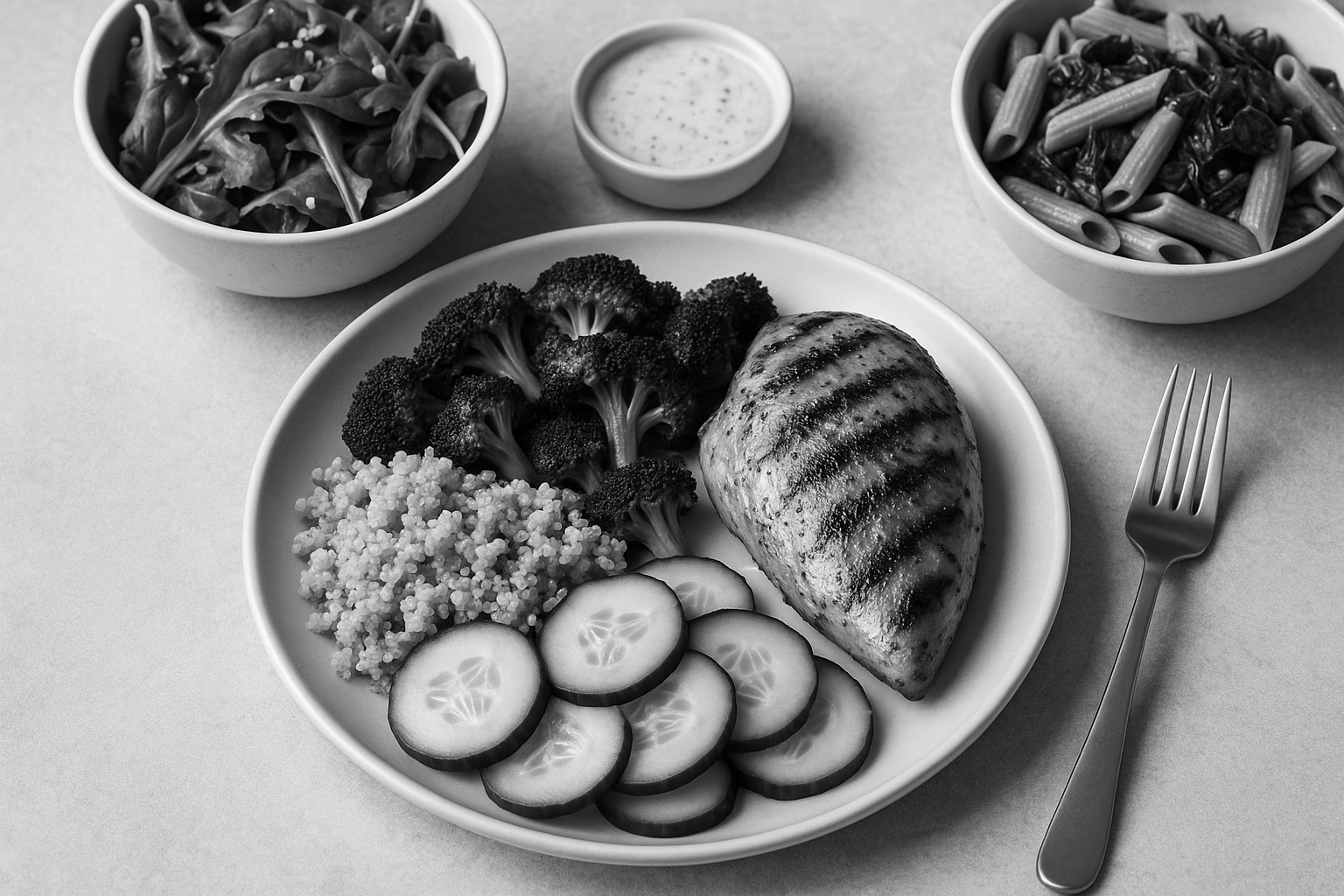
Why Healthy Eating Recipes Matter
Healthy eating recipes make it easier to fuel your body with steady energy, support digestion, and keep you satisfied between meals—without relying on highly processed convenience foods. The best part: “healthy” doesn’t have to mean bland or complicated. With a few core ingredients and smart cooking methods, you can build meals that are quick, flavorful, and flexible enough for different diets and schedules.
In this guide, you’ll find practical meal-building tips and a set of go-to healthy eating recipes you can rotate throughout the week. Think of them as a mix-and-match toolkit: choose a protein, add colorful plants, include a satisfying fiber-rich carb, and finish with healthy fats and bold seasonings.
Healthy Eating Basics (That Make Recipes Work)
Before jumping into recipes, it helps to understand the building blocks that keep meals both nutritious and crave-worthy.
Balance Your Plate
A simple formula works for most meals:
- Protein (chicken, fish, tofu, beans, Greek yogurt) for satiety and muscle support
- Fiber-rich carbs (brown rice, quinoa, oats, sweet potato, whole-grain bread) for lasting energy
- Colorful vegetables and fruits for vitamins, minerals, and antioxidants
- Healthy fats (olive oil, avocado, nuts, seeds) for flavor and fullness
Flavor Without Overdoing Sugar or Sodium
Healthy recipes shine when you rely on big flavor from:
- Fresh herbs (cilantro, basil, dill)
- Citrus (lemon/lime juice and zest)
- Spices (smoked paprika, cumin, turmeric, chili flakes)
- Aromatics (garlic, ginger, onions, scallions)
- Umami boosters (tomato paste, mushrooms, a splash of low-sodium soy sauce)
Prep Once, Eat Well All Week
Batch-cooking a few components can make healthy eating nearly effortless:
- Cook a grain (quinoa or brown rice)
- Roast a sheet pan of veggies
- Make a simple sauce (lemon-tahini, salsa, pesto-style herb sauce)
- Prep protein (bake chicken, marinate tofu, or cook lentils)
5 Healthy Eating Recipes You’ll Actually Want to Make
Each recipe below is designed to be approachable, adaptable, and weeknight-friendly. Adjust portion sizes to your needs, and swap ingredients based on what you have on hand.
1) Sheet Pan Lemon Garlic Chicken and Vegetables
Why it works: One pan, minimal cleanup, and a full balanced meal with protein and fiber-rich vegetables.
Ingredients:
- 1–1.5 lb chicken thighs or breasts
- 2 cups broccoli florets
- 1 bell pepper, sliced
- 1 red onion, sliced
- 2 tbsp olive oil
- 2–3 cloves garlic, minced
- 1 lemon (juice + zest)
- 1 tsp dried oregano, salt and pepper
Directions:
- Preheat oven to 425°F (220°C). Line a sheet pan with parchment.
- Toss vegetables with half the olive oil, salt, and pepper; spread on pan.
- Rub chicken with remaining olive oil, garlic, lemon juice/zest, oregano, salt, and pepper; nestle among veggies.
- Roast 20–30 minutes (depending on chicken cut) until chicken is cooked through and veggies are browned.
Easy upgrades: Add cherry tomatoes in the last 10 minutes, or serve over quinoa for extra staying power.
2) Mediterranean Chickpea Salad (Meal-Prep Friendly)
Why it works: High in fiber and plant protein, and it tastes even better after it sits in the fridge.
Ingredients:
- 2 cans chickpeas, rinsed and drained
- 1 cucumber, chopped
- 1 cup cherry tomatoes, halved
- 1/2 red onion, finely chopped
- 1/3 cup crumbled feta (optional)
- 2 tbsp olive oil
- 1–2 tbsp red wine vinegar or lemon juice
- 1 tsp dried oregano, salt, pepper
Directions:
- Combine chickpeas and vegetables in a bowl.
- Whisk olive oil, vinegar/lemon, oregano, salt, and pepper; toss with salad.
- Chill at least 20 minutes before serving.
Make it a full meal: Add canned tuna, grilled chicken, or serve with whole-grain pita and hummus.
3) 15-Minute Salmon Rice Bowl with Ginger Soy Dressing
Why it works: A fast way to get omega-3s plus a satisfying bowl format that’s easy to customize.
Ingredients:
- 2 salmon fillets
- 2 cups cooked brown rice (or microwaveable brown rice)
- 1 cup shredded carrots
- 1 cup cucumber, sliced
- 1/2 avocado, sliced
- 1 tbsp low-sodium soy sauce
- 1 tsp grated ginger
- 1 tsp sesame oil (optional but flavorful)
- Lime juice or rice vinegar, to taste
Directions:
- Season salmon with salt and pepper; pan-sear skin-side down 4–5 minutes, flip and cook 2–3 minutes (or bake at 425°F for ~10–12 minutes).
- Stir soy sauce, ginger, sesame oil, and a squeeze of lime (or a splash of vinegar).
- Assemble bowls with rice, veggies, salmon, and avocado; drizzle dressing on top.
Swap ideas: Use tofu or shrimp, and add edamame for extra protein and fiber.
4) One-Pot Lentil and Vegetable Soup
Why it works: Budget-friendly, filling, and great for batch cooking—perfect for lunches all week.
Ingredients:
- 1 tbsp olive oil
- 1 onion, diced
- 2 carrots, chopped
- 2 celery stalks, chopped
- 3 cloves garlic, minced
- 1 cup dried lentils, rinsed
- 1 can diced tomatoes
- 4 cups low-sodium broth
- 2 cups spinach or kale
- 1 tsp cumin, 1 tsp smoked paprika, salt and pepper
Directions:
- Sauté onion, carrot, and celery in olive oil for 5–7 minutes; add garlic and spices for 30 seconds.
- Add lentils, tomatoes, and broth. Simmer 20–30 minutes until lentils are tender.
- Stir in spinach/kale until wilted. Adjust salt, pepper, and acidity with lemon if needed.
Pro tip: If you like a thicker soup, blend 1–2 cups and stir it back in.
5) Greek Yogurt Breakfast Parfait (High-Protein, No-Cook)
Why it works: A quick breakfast or snack with protein, fiber, and natural sweetness.
Ingredients:
- 1 cup plain Greek yogurt
- 1/2 cup berries (fresh or frozen)
- 2–3 tbsp granola or oats
- 1 tbsp chia seeds or ground flaxseed
- 1 tsp honey or maple syrup (optional)
Directions:
- Layer yogurt, berries, granola/oats, and seeds in a jar or bowl.
- Sweeten lightly if desired and enjoy immediately—or prep ahead.
Variation: Add cinnamon and sliced banana, or stir in nut butter for extra richness.
Smart Ingredient Swaps for Healthier Recipes
Healthy eating is easier when you keep flexible substitutes in mind:
- Swap refined grains for whole grains: white rice → brown rice or quinoa; regular pasta → whole-wheat or chickpea pasta
- Boost vegetables in any meal: add spinach to soups, peppers to stir-fries, or shredded zucchini to sauces
- Lighten creamy dishes: use Greek yogurt in dips and dressings, or blend white beans into soups for creaminess
- Choose healthier cooking methods: roast, grill, bake, steam, or sauté with modest oil instead of deep-frying
Conclusion
Healthy eating recipes don’t need complicated ingredients or hours in the kitchen. When you focus on balanced plates, big flavors from herbs and spices, and a little bit of prep, you can create meals that support your goals and genuinely taste great. Start with one or two recipes from this list, repeat them until they feel easy, and then build your own rotation from there.