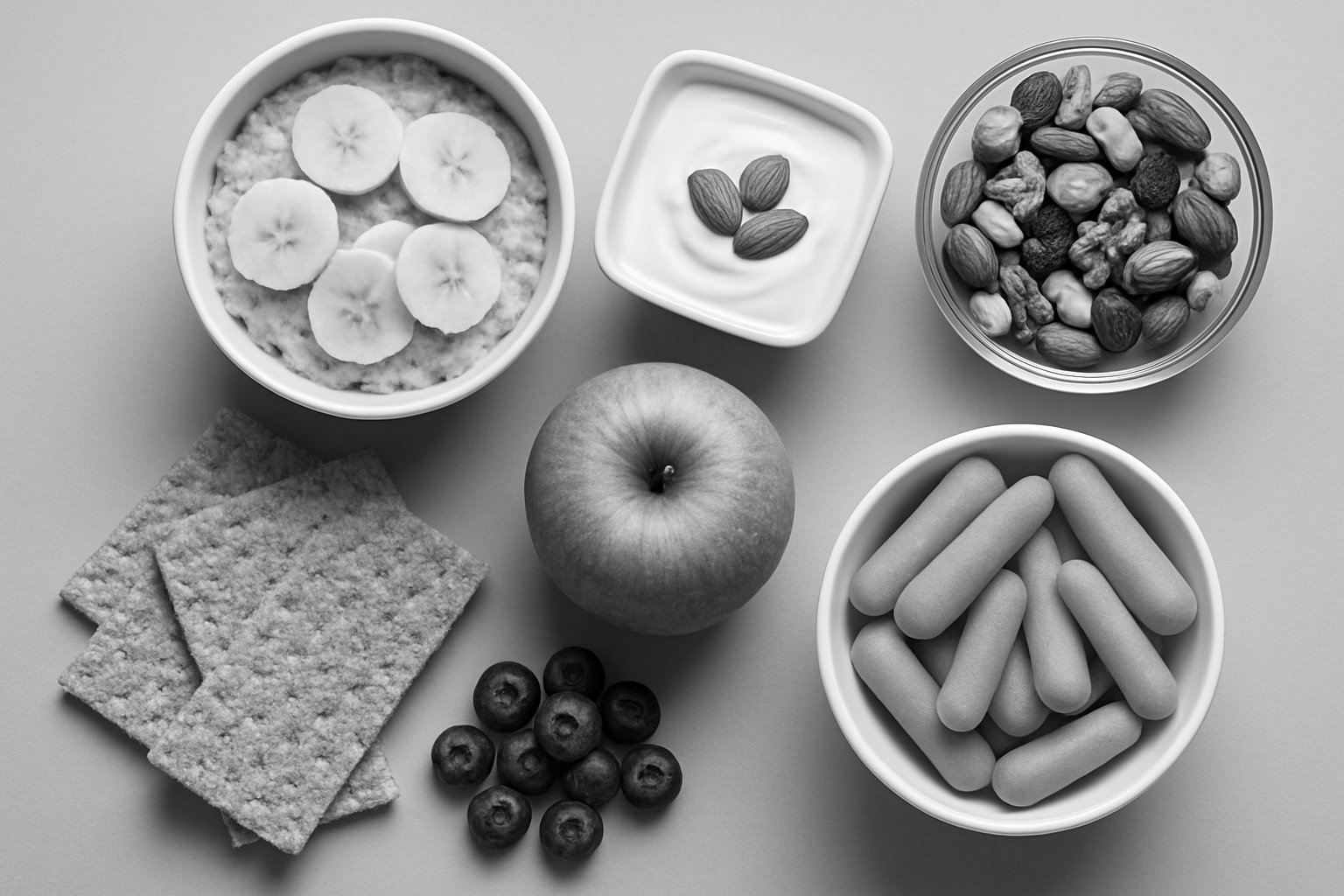
Why Healthy Snacks Matter
Snacking can be one of the easiest ways to support steady energy, better focus, and balanced nutrition—when you choose foods that actually nourish you. A well-planned snack can bridge the gap between meals, help prevent extreme hunger, and make it easier to meet daily needs for protein, fiber, vitamins, and minerals.
The key is shifting from “something to munch on” to “something that works for me.” Healthy snacks don’t need to be complicated or expensive—they just need the right mix of ingredients to keep you satisfied and feeling good.
What Makes a Snack “Healthy”?
A healthy snack is less about strict rules and more about choosing foods that are minimally processed, filling, and aligned with your needs. Instead of focusing on calories alone, aim for snacks that deliver lasting satiety and quality nutrients.
Balanced macros: protein, fiber, and healthy fats
The most satisfying snacks usually include at least two of these components:
- Protein (Greek yogurt, eggs, tofu, cottage cheese, beans, turkey): supports fullness and muscle repair.
- Fiber (fruit, veggies, oats, whole grains, legumes): slows digestion and helps keep energy steady.
- Healthy fats (nuts, seeds, avocado, olive oil): adds staying power and helps absorb fat-soluble vitamins.
Simple formula: pair produce + protein (and optionally a little healthy fat). For example: apple + peanut butter, carrots + hummus, or berries + Greek yogurt.
Portion size and mindful eating
Even nutrient-dense foods can be easy to overeat if you’re snacking straight from a large bag or container. Try portioning snacks into a small bowl or pre-packed containers. Also, give yourself a moment to check in: are you hungry, thirsty, bored, or stressed?
If you’re truly hungry, a snack should leave you comfortably satisfied for 1–3 hours—not still hunting for more food 10 minutes later.
Best Healthy Snack Categories (with Examples)
Different situations call for different snacks. Below are reliable categories and go-to options that work for busy weekdays, workouts, or late-afternoon slumps.
High-protein snacks
Protein-forward snacks are helpful when you want something filling, especially between meals or after exercise.
- Greek yogurt with cinnamon and berries
- Cottage cheese with sliced tomatoes, pepper, and a drizzle of olive oil
- Hard-boiled eggs with a pinch of salt and paprika
- Edamame (steam-in-bag makes it easy)
- Tuna or salmon pouch with whole-grain crackers
Fiber-rich snacks
Fiber helps stabilize energy and supports gut health. Pair fiber with protein or fat for even better staying power.
- Apple or pear with nut butter
- Chia pudding made with milk of choice and topped with fruit
- Roasted chickpeas (seasoned with garlic powder or smoked paprika)
- Oatmeal made with rolled oats (even a small portion works as a snack)
Grab-and-go options
Convenience matters. These ideas require minimal prep and are easy to keep at work, in a backpack, or in the car.
- Trail mix (nuts + seeds + a small amount of dried fruit or dark chocolate)
- String cheese with a piece of fruit
- Protein bar (choose one with recognizable ingredients and moderate added sugar)
- Jerky (look for lower-sodium options when possible)
- Single-serve hummus with baby carrots or snap peas
Sweet cravings that still support health
You don’t have to eliminate sweet snacks. The goal is to make them more satisfying and nutrient-dense.
- Frozen grapes or frozen banana slices
- Greek yogurt “dessert bowl” with cocoa powder and a drizzle of honey
- Peanut butter on whole-grain toast with sliced strawberries
- Dark chocolate (a couple of squares) with almonds
Healthy Snacks for Specific Goals
Your best snack depends on what you’re trying to support—stable energy, workout performance, or better sleep. Here are a few practical pairings.
For energy and focus
To avoid the “snack crash,” choose combinations with protein and fiber rather than sugar alone.
- Whole-grain crackers + cheese
- Apple + peanut butter
- Hummus + veggies + a handful of pretzels
For weight management
If your goal is feeling satisfied with fewer impulse cravings, prioritize volume (produce) and protein.
- Greek yogurt + berries
- Big bowl of sliced cucumbers and bell peppers + hummus
- Hard-boiled eggs + cherry tomatoes
For pre- and post-workout
Pre-workout: aim for easy-to-digest carbs with a little protein if you have time. Post-workout: include protein plus carbs to support recovery.
- Pre: banana + a spoonful of peanut butter
- Pre: toast + honey
- Post: chocolate milk or a protein smoothie with fruit
- Post: yogurt + granola + berries
Tips for Planning and Prepping Snacks
Healthy snacking becomes effortless when you make the “better choice” the easiest choice. A little planning goes a long way.
Stock your kitchen with smart staples
Keep a rotating mix of:
- Fresh produce (apples, berries, carrots, cucumbers)
- Proteins (eggs, Greek yogurt, cottage cheese, hummus)
- Pantry basics (nuts, seeds, oats, canned tuna, chickpeas)
Prep once, snack all week
Try setting aside 20–30 minutes once or twice a week to:
- Wash and chop veggies for quick dipping
- Portion nuts or trail mix into small containers
- Boil a few eggs
- Make a batch of chia pudding or overnight oats
Read labels (without overthinking)
When buying packaged snacks, a quick scan helps. Look for:
- Protein and fiber (more is generally better for satiety)
- Added sugar that’s not excessive for the serving size
- Short ingredient lists you can recognize
And remember: packaged snacks can still fit into a healthy routine—especially when they help you stay consistent on busy days.
Conclusion: Build a Snack Routine That Works for You
Healthy snacks don’t require perfection—just a few dependable options you enjoy and can repeat. Start with simple combinations like produce + protein, keep convenient staples on hand, and prep a little in advance. With the right choices, snacking can support your energy, mood, and overall health every day.