
High-intensity interval training, better known as HIIT, has become one of the most popular workout styles for good reason. It combines short bursts of intense effort with brief recovery periods, helping you burn calories, improve cardiovascular fitness, and build endurance in less time than many traditional workouts. Whether you’re new to exercise or looking to upgrade your routine, HIIT workouts can be an effective and flexible option.
What Are HIIT Workouts?
HIIT workouts are exercise sessions that alternate between periods of hard effort and recovery. The intense intervals can last anywhere from 20 seconds to several minutes, depending on the workout style, fitness level, and goal. Recovery periods may be complete rest or lower-intensity movement such as walking or light jogging.
The basic idea is simple: work hard, recover, then repeat. This structure allows you to push your body in short, manageable bursts without needing to maintain maximum effort for a long period of time.
How HIIT Differs from Traditional Cardio
Traditional cardio usually involves steady effort at a moderate pace, like jogging, cycling, or using an elliptical for 30 to 60 minutes. HIIT, on the other hand, focuses on intensity and variation. Because you alternate between hard and easy intervals, you can challenge your heart, lungs, and muscles in a different way.
Another major difference is time efficiency. Many HIIT sessions last only 15 to 30 minutes, making them appealing for busy schedules. Even with a shorter duration, the workout can still feel demanding because the work intervals are so intense.
Benefits of HIIT Workouts
One of the biggest reasons people choose HIIT workouts is the range of benefits they can provide. From improved fitness to better calorie burn, HIIT can support many health and performance goals.
Improved Cardiovascular Fitness
HIIT is an excellent way to train your heart and lungs. The repeated push-and-recover format challenges your cardiovascular system to adapt, which can help improve stamina, endurance, and overall heart health over time.
Time Efficiency
For people with busy lives, HIIT can be a practical solution. You do not need to spend an hour at the gym to get a meaningful workout. A focused 20-minute HIIT routine can be highly effective when performed consistently.
Calorie Burn and Metabolic Support
Because HIIT is intense, it can help you burn a significant number of calories in a short amount of time. Some people also like HIIT for its afterburn effect, which refers to the body continuing to use energy after the workout has ended. While results vary, HIIT can be a useful part of a balanced fitness plan.
Variety and Motivation
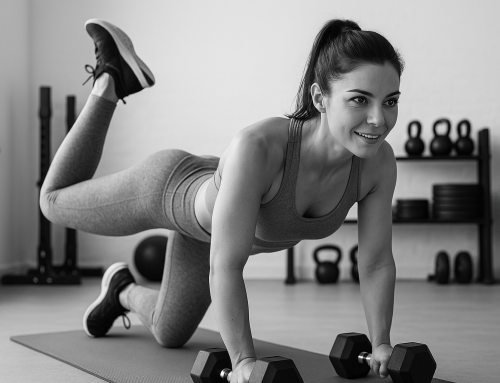
HIIT workouts can be done with bodyweight exercises, dumbbells, kettlebells, bikes, treadmills, rowing machines, or even outdoor sprints. This variety keeps workouts from feeling repetitive and can make it easier to stay motivated.
How to Get Started with HIIT
If you are new to HIIT, it is important to start gradually. The intensity can be challenging, so jumping in too hard too soon may leave you overly fatigued or increase your risk of injury.
Choose the Right Work-to-Rest Ratio
A beginner-friendly starting point might be 20 seconds of work followed by 40 seconds of rest. More experienced exercisers may prefer 30 seconds of work with 15 to 30 seconds of rest, or even longer intervals. The best ratio depends on your current fitness level and exercise choice.
Warm Up Properly
Before any HIIT workout, take five to ten minutes to warm up. Dynamic moves like arm circles, leg swings, marching, bodyweight squats, and light cardio can help prepare your muscles and joints for more intense activity.
Start with Simple Exercises
There is no need to begin with complicated movements. Squats, push-ups, jumping jacks, mountain climbers, lunges, and high knees are all common HIIT exercises. If you are just starting out, you can modify movements by slowing the pace or removing impact, such as stepping instead of jumping.
Sample HIIT Workout
Here is a simple full-body HIIT circuit you can try at home with no equipment:
- 30 seconds jumping jacks
- 30 seconds rest
- 30 seconds bodyweight squats
- 30 seconds rest
- 30 seconds mountain climbers
- 30 seconds rest
- 30 seconds push-ups
- 30 seconds rest
- 30 seconds reverse lunges
- 30 seconds rest
Repeat the circuit 3 to 4 times depending on your fitness level. If needed, reduce the number of rounds or extend your rest periods. The goal is to maintain good form while working at a challenging pace.
Tips for Safe and Effective HIIT
HIIT can be highly effective, but the intensity means technique and recovery matter. Keep these tips in mind to get the most from your workouts.
Focus on Form
Fast movement should never come at the expense of control. If your form breaks down, slow down or take a longer rest. Quality matters more than speed.
Don’t Do HIIT Every Day
Because HIIT is demanding, your body needs time to recover. For many people, two to four sessions per week is enough. On other days, lighter activities like walking, yoga, or steady cardio can support recovery and overall fitness.
Listen to Your Body
It is normal to feel challenged during HIIT, but sharp pain, dizziness, or extreme exhaustion are signs to stop and reassess. If you have a medical condition or are returning to exercise after a long break, it is wise to check with a healthcare professional first.
Pair HIIT with Good Nutrition and Rest
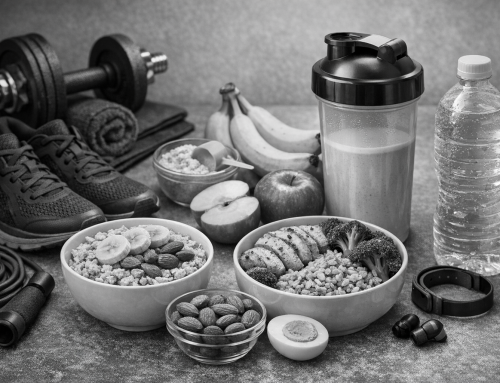
To perform well and recover properly, support your workouts with balanced meals, hydration, and enough sleep. HIIT places real demands on your body, so recovery habits are just as important as the workout itself.
Conclusion
HIIT workouts offer a powerful blend of efficiency, variety, and fitness benefits. With the right approach, they can help you improve endurance, burn calories, and stay engaged with your routine. Start at a level that matches your current fitness, build gradually, and focus on consistency for the best results.