Introduction
Creating an effective home workout space does not require a warehouse of machines. With a few well chosen pieces of equipment and smart planning you can build a versatile, motivating environment for strength, cardio, mobility, and recovery. This guide breaks down the best home workout equipment by need and budget, how to choose wisely, and sample routines to get you started.
Why Invest in Home Workout Equipment?
Working out at home saves time, removes common barriers like bad weather or crowded gyms, and makes consistent training more convenient. The right equipment helps you progress safely, target specific muscle groups, and vary your workouts so they stay effective and interesting.
Essential Equipment for Beginners
These items are affordable, compact, and cover a wide range of exercises. They are ideal if you are starting out or have limited space.
Dumbbells
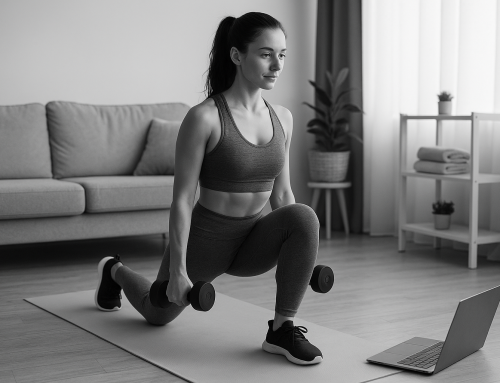
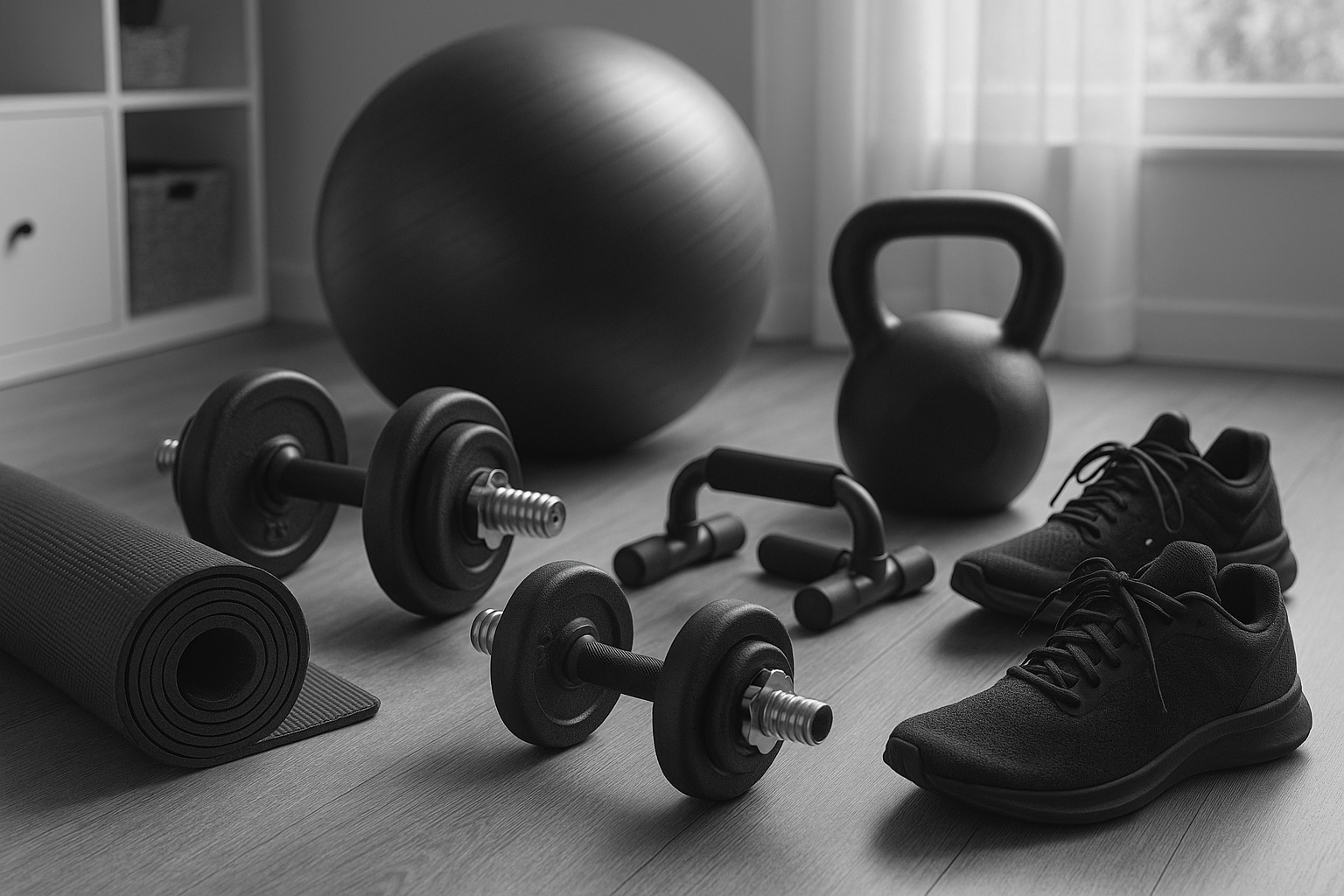
Fixed or adjustable dumbbells are the backbone of many home workouts. They allow for presses, rows, lunges, and more. Start with a pair that challenges you for 8 to 15 reps on compound moves, or buy an adjustable set to cover a broader range.
Resistance Bands
Lightweight and portable, bands add progressive resistance for strength and mobility work. Use them for pull aparts, banded squats, assisted pull ups, and shoulder rehab exercises.
Yoga Mat
A quality mat protects your joints, provides traction, and creates a defined workout area for floor exercises, mobility work, and stretching.
Jump Rope
Excellent for cardio, coordination, and calorie burn. A jump rope takes little space and provides a high intensity option for interval training.
Stability Ball
Useful for core work, mobility, and as a bench substitute for certain presses and bridges.
Space Efficient and Advanced Options
If you have a little more budget or want to level up, consider these space efficient pieces that expand your training options.
Adjustable Dumbbells
They replace multiple fixed pairs and free up floor space, making them a great investment for serious strength gains.
Kettlebells
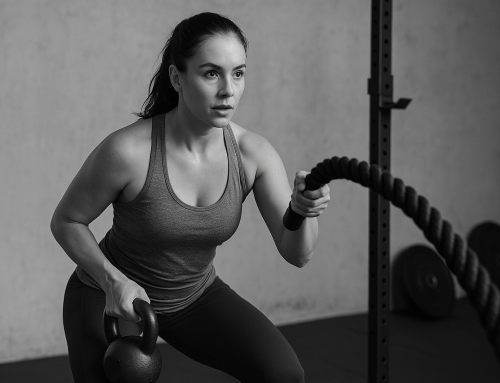
Great for dynamic strength, conditioning, and grip work. A single kettlebell can be used for swings, goblet squats, Turkish get ups, and cleans.
Pull Up Bar
A doorway or wall mounted pull up bar opens the door to chin ups, hanging leg raises, and bar hangs for shoulder health and pulling strength.
Suspension Trainer
Systems like TRX provide full body training using bodyweight, and they anchor easily to doors or beams without taking up much space.
Compact Cardio Machines
Folding treadmills, compact rowing machines, or air bikes deliver low impact or high intensity cardio while being relatively easy to store.
How to Choose the Right Equipment
Consider these factors before buying.
- Goals: Prioritize equipment that matches your goals, such as strength, flexibility, or cardio.
- Space: Measure your available footprint and ceiling height before purchasing bulky items.
- Budget: Start with essentials then upgrade. Adjustable or multipurpose gear gives more bang for your buck.
- Versatility: Choose items that allow multiple exercises to keep routines varied.
- Safety: Buy stable, well reviewed equipment and learn proper form, especially for heavier lifts.
Sample Home Workout Routines
Here are three simple routines using common home equipment. Warm up 5 to 10 minutes before each session and cool down after.
Beginner Full Body (3x per week)
- Bodyweight or goblet squat 3 sets x 8-12 reps
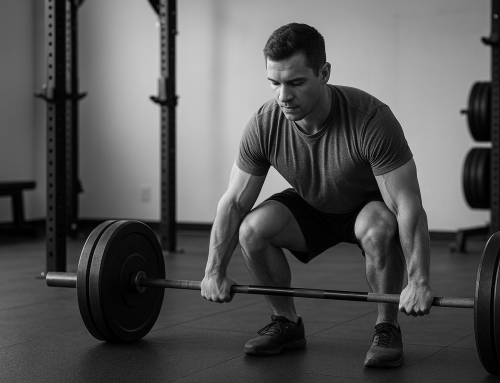
- Dumbbell or kettlebell deadlift 3 x 8-12
- Push up or incline push up 3 x 8-12
- Dumbbell row or band row 3 x 8-12
- Plank 3 x 30-60 seconds
Strength Focus (2-4x per week)
- Warm up sets then heavy dumbbell press 4 x 5-8
- Single leg or Bulgarian split squat 3 x 6-10 each side
- Kettlebell swing 4 x 10-15
- Pull ups or band assisted pull ups 3 x max reps
Cardio Circuit (20-30 minutes)
- Jump rope 1 minute
- Bodyweight squats 45 seconds
- Mountain climbers 45 seconds
- Rest 30 seconds, repeat 6 to 8 rounds
Maintenance and Safety Tips
- Inspect gear regularly for wear and replace damaged items like bands or grips.
- Use a mat or protective flooring under heavy equipment to protect floors and stabilize items.
- Learn proper lifting form and progress weight gradually to avoid injury.
- Store equipment neatly to prevent tripping hazards and prolong lifespan.
Conclusion
Building an effective home workout setup is about choosing items that match your goals, space, and budget. Start with a few versatile pieces, progress as your needs grow, and focus on consistency. With the right equipment and safe habits you can achieve substantial fitness gains without leaving home.