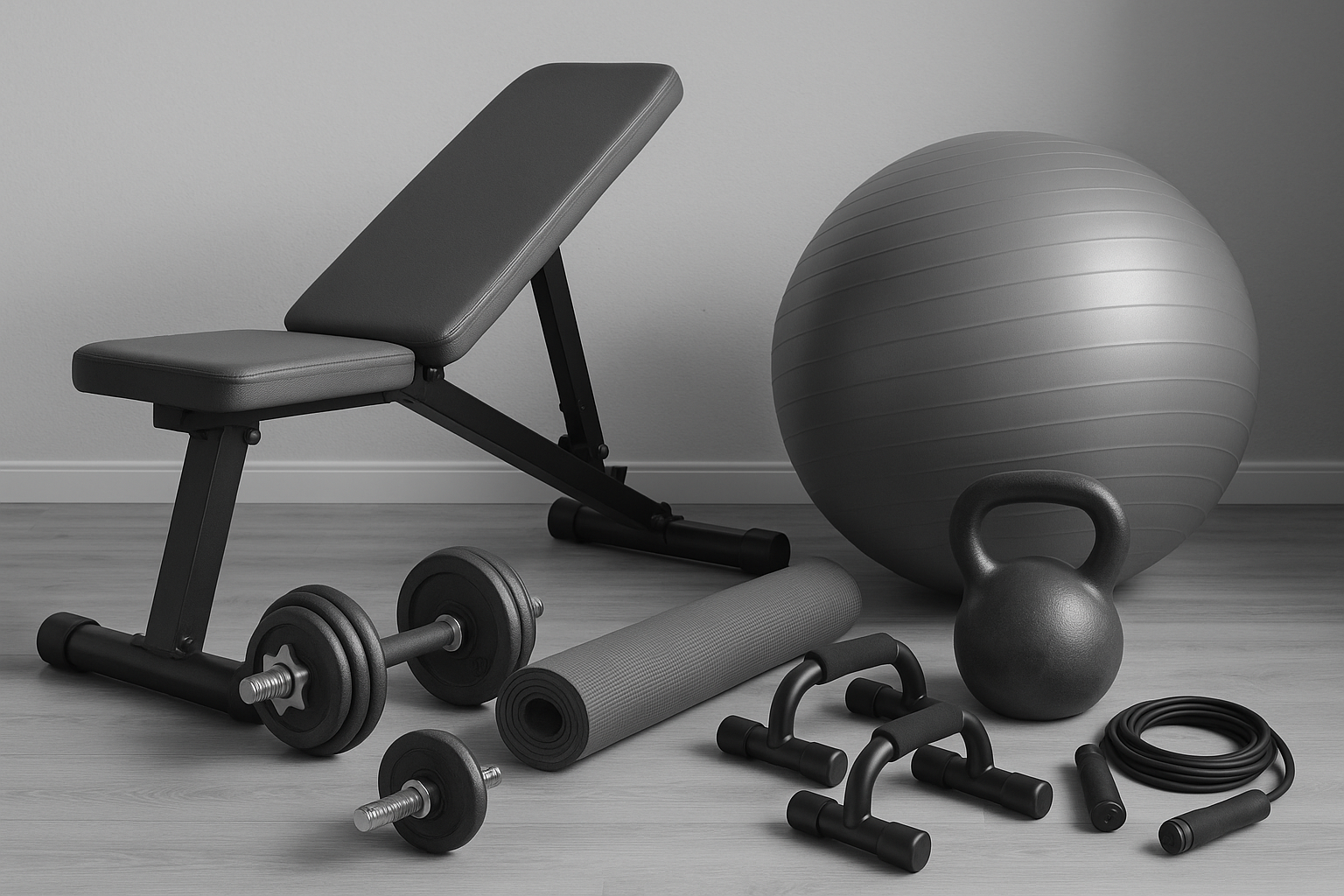
Why Home Workout Equipment Is Worth It
Home workout equipment can make staying consistent dramatically easier. When your “gym” is a few steps away, you remove common barriers like commuting, packed schedules, weather, and crowded facilities. Beyond convenience, building a small collection of smart, versatile tools can help you train strength, cardio, mobility, and recovery—often for less than a year of gym membership fees.
The key is choosing equipment that matches your goals, space, and budget. You don’t need a full garage gym to see results; many people get strong and fit with a few multipurpose essentials and a simple plan.
How to Choose the Right Equipment for Your Goals
Define your main training focus
Start by deciding what you want most from your workouts. Your priorities will guide your purchases:
- Strength & muscle: adjustable dumbbells, resistance bands, a bench, or a barbell setup.
- Fat loss & conditioning: a jump rope, kettlebell, or compact cardio machine.
- Mobility & recovery: a yoga mat, foam roller, and mobility tools.
- General fitness: a balanced mix of resistance + light cardio + a mat.
Consider space, noise, and storage
Be realistic about where your equipment will live. Apartment dwellers may prioritize quiet tools (bands, dumbbells, a mat) and avoid heavy dropping or loud machines. If storage is limited, look for items that tuck under a bed, stand vertically, or replace multiple tools (like adjustable dumbbells).
Set a budget and build in phases
Instead of buying everything at once, start with the highest “bang for your buck” items and add over time. A phased approach prevents wasted purchases and helps you learn what you actually enjoy using.
Essential Home Workout Equipment (Best Value Staples)
Adjustable dumbbells or a dumbbell set
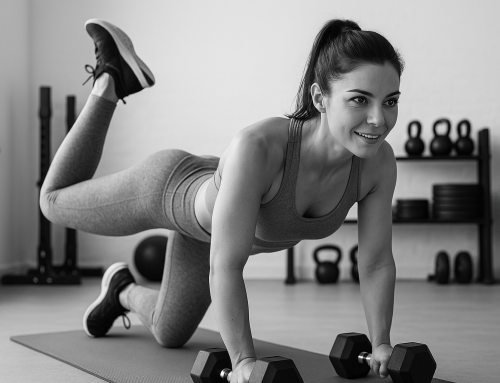
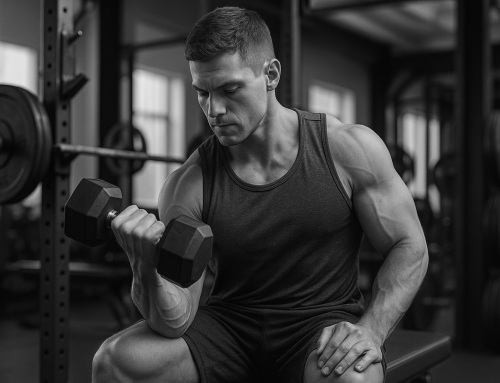
Dumbbells are one of the most versatile tools for full-body training—presses, rows, squats, lunges, deadlifts, and more. If space is tight, adjustable dumbbells can replace an entire rack. If you prefer traditional dumbbells, a small set (for example light/medium/heavy pairs) works well for most beginners to intermediates.
Resistance bands (loop bands and long bands)
Bands are affordable, portable, and surprisingly challenging. Loop bands are great for glute work and warm-ups; long bands help with assisted pull-ups, presses, rows, and mobility drills. They also pair well with dumbbells for progressive overload when you need extra resistance.
A sturdy exercise mat
A good mat improves comfort and grip for floor work such as core training, stretching, yoga, and mobility sessions. It also helps protect your floors and reduce noise. Look for a thickness that suits your knees and joints without feeling unstable.
Pull-up bar (doorway or mounted)
If you can install one safely, a pull-up bar adds a powerful upper-body strength option with minimal footprint. Pull-ups and chin-ups train your back and arms, while hanging knee raises challenge your core. If full pull-ups aren’t possible yet, use a resistance band for assistance or focus on slow negatives.
A bench (optional but highly useful)
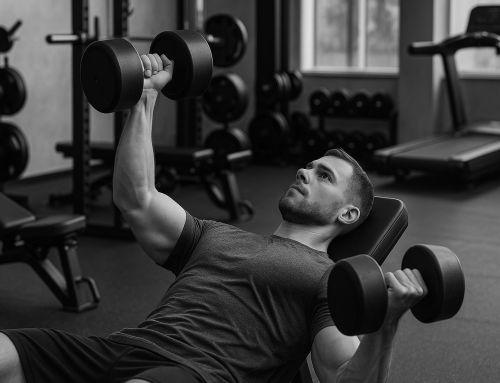
An adjustable bench expands your exercise selection and makes strength training more comfortable—think incline presses, supported rows, step-ups, and Bulgarian split squats. If you train regularly with dumbbells, a bench is often worth the space.
Cardio Equipment Options (Compact to Full-Size)
Jump rope
For a small price and almost no storage, a jump rope delivers excellent conditioning and coordination work. It’s best if you have a surface that won’t bother neighbors and enough ceiling clearance. Beginners can start with short intervals and build up gradually.
Kettlebell
A single kettlebell can cover strength and cardio, especially with swings, goblet squats, presses, and carries. If you want one “do-it-all” item beyond dumbbells, a kettlebell is a strong contender.
Stationary bike, treadmill, or rowing machine
If you love steady-state cardio or need low-impact options, a machine may improve consistency. Choose based on your joints, space, and noise constraints:
- Bike: often quieter and joint-friendly; great for intervals.
- Treadmill: ideal for walking programs; typically larger and louder.
- Rower: full-body conditioning; check storage (many fold upright).
Before buying, measure your space carefully and consider where the machine will be stored when not in use.
Strength Training Upgrades (When You’re Ready)
Barbell, plates, and a rack
For serious strength goals, a barbell setup provides near-endless progression. A basic package usually includes a barbell, weight plates, collars, and a squat stand or power rack. Add safety arms if you’ll train alone. This route takes more space and investment, but it’s hard to beat for long-term strength building.
Weight plates, floor protection, and organization
If you’re lifting heavier at home, protect your floors and reduce noise with rubber flooring or lifting mats. Storage matters too—plate trees, dumbbell stands, and wall hooks keep your workout area safer and more inviting.
Cable or pulley attachments
Cable-style movements (face pulls, triceps pressdowns, lat pulldowns) are excellent for balanced strength. A simple doorway pulley system or rack-mounted pulley attachment can add a lot of variety without requiring a full cable machine.
Recovery and Mobility Tools That Make a Difference
Foam roller and massage ball
Foam rolling and targeted work with a massage ball can help you relax tight muscles and improve short-term range of motion. They’re inexpensive, easy to store, and especially useful if you sit a lot or train hard.
Mobility tools (optional)
Items like yoga blocks, straps, and light bands can make stretching more comfortable and effective. While not essential, they’re helpful for improving technique, posture, and movement quality.
Sample Home Gym Setups by Budget
Budget starter (minimal space)
- Exercise mat
- Loop + long resistance bands
- Jump rope (optional)
This setup supports full-body workouts, mobility, and conditioning with minimal storage.
Mid-range all-around setup
- Adjustable dumbbells
- Bench
- Pull-up bar
- Resistance bands
- Foam roller
Great for strength, muscle-building, and balanced fitness with lots of exercise variety.
Dedicated strength setup
- Power rack or squat stands + safety arms
- Barbell + plates
- Bench
- Flooring
Ideal if progressive overload and heavy compound lifts are your main focus.
Tips to Get the Most Out of Your Home Workout Equipment
Prioritize versatility and progression
Choose equipment that lets you scale difficulty over time—adding weight, reps, slower tempos, or more challenging variations. The best gear is the gear you can grow with.
Create a simple, repeatable routine
Even the best equipment won’t help without consistency. A practical approach is 3–4 sessions per week built around basic movement patterns: squat/lunge, hinge, push, pull, and core.
Make your setup easy to access
Keep your most-used items visible and ready. When your mat and dumbbells are within reach, you’re far more likely to follow through—especially on busy days.
Conclusion
Building a home gym doesn’t require a huge space or a massive budget. Start with versatile essentials like dumbbells, bands, and a mat, then upgrade based on your goals and what you enjoy. With the right home workout equipment and a simple plan, you can train consistently, progress steadily, and make fitness a natural part of your routine.