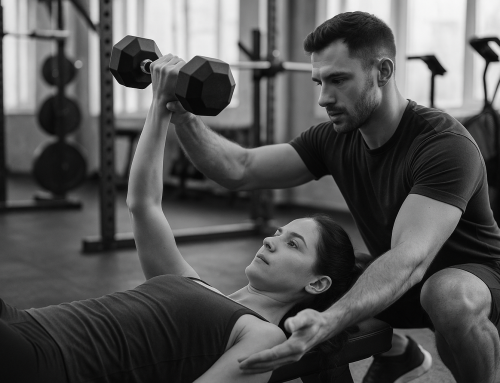

Why become a personal trainer?
Becoming a personal trainer is a rewarding path for people who love fitness, want to help others improve their health, and enjoy flexible work options. Trainers work in gyms, studios, corporate wellness programs, clients’ homes, or online. The role combines coaching, motivation, program design, and business skills—so success depends on both technical knowledge and the ability to connect with people.
Step 1: Decide your focus and audience
Choose a specialty
Start by deciding what kind of trainer you want to be. Options include general fitness, weight loss, strength and conditioning, sports-specific training, corrective exercise, older adult fitness, pre/postnatal training, and clinical or rehab-focused work. Specializing helps you target marketing and differentiate from competitors.
Identify your ideal client
Think about who you enjoy working with and who needs your services. Do you prefer athletes, busy professionals, seniors, or beginners? Knowing your niche will shape your certification choices, pricing, and promotional strategy.
Step 2: Get certified
Choose a credible certification
Certification is essential for credibility and often required by gyms. Choose a respected organization recognized in the industry, such as NASM, ACE, NSCA, ISSA, or ACSM. Verify that the cert is accredited (for example, by NCCA) and matches your chosen specialty.
Understand the certification process
Most certifications require study hours, a passing exam, and sometimes CPR/AED certification. Costs vary—from a few hundred to over a thousand dollars depending on study packages and exam retakes. Plan a study schedule and use practice exams to prepare.
Step 3: Gain practical experience
Start training real clients
Practical experience is crucial. Offer discounted or free sessions to friends and family to practice program design, cueing, and communication. Collect feedback and track client progress—real results are the best marketing tool.
Internships and mentorships
Work under experienced trainers or internships at gyms to observe client management, sales conversations, and daily operations. A mentor accelerates learning, helps avoid common mistakes, and can introduce you to potential clients.
Step 4: Build business and client-acquisition skills
Learn basic business operations
As a trainer you’ll need simple accounting, scheduling, and legal awareness (liability insurance and contracts). Decide whether to work for a gym or run your own business; each has pros and cons for income, autonomy, and administrative work.
Marketing and sales
Attracting clients requires marketing. Create a professional bio and client-focused website, stay active on social media with useful content, collect testimonials, and use local networking (gyms, community centers, healthcare providers). Learn to conduct discovery calls and convert leads to paying clients through clear packages and trial sessions.
Step 5: Continue education and advance
Specialize and earn advanced credentials
After initial certification and experience, pursue advanced courses in nutrition, corrective exercise, or sports performance. Specialties increase your value and allow higher rates. Many trainers also earn graduate degrees or certifications in related fields for clinical roles.
Network and build a reputation
Attend workshops, conferences, and local fitness meetups. Network with other professionals—physical therapists, nutritionists, and coaches—to create referral partnerships. Consistent, high-quality service and strong client outcomes lead to long-term success.
Practical tips for success
- Document client progress with measurements, photos, and performance metrics to showcase results.
- Prioritize continuing education—fitness science evolves and clients expect up-to-date programming.
- Develop strong communication and motivational skills; technical knowledge alone won’t keep clients engaged.
- Use scheduling and payment tools to simplify administration and free time for coaching.
- Set realistic pricing based on your market, experience, and niche; raise rates as you gain results and testimonials.
- Protect yourself with professional liability insurance and clear client agreements.
Conclusion
Becoming a successful personal trainer requires the right certification, hands-on experience, business savvy, and ongoing education. Focus on delivering measurable client results, building relationships, and continuously improving your skills—those elements create a sustainable and rewarding career in fitness.