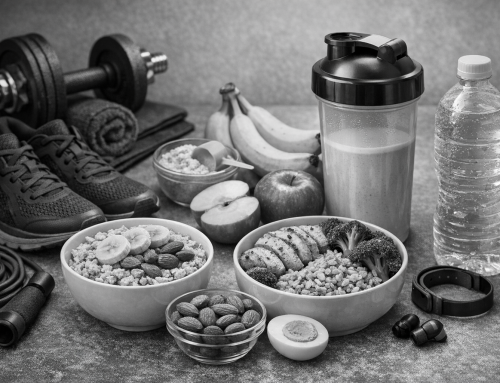

Understanding Muscle Growth (Hypertrophy)
Building muscle isn’t about finding a single “perfect” workout—it’s about consistently creating the right stimulus and supporting it with nutrition and recovery. Muscle growth (hypertrophy) happens when resistance training creates tiny disruptions in muscle fibers, and your body repairs them, rebuilding the tissue slightly thicker and stronger than before. The biggest drivers of hypertrophy are progressive overload (doing a bit more over time), adequate training volume (enough hard sets), and smart recovery.
It also helps to keep expectations realistic. Beginners can gain muscle relatively quickly, while experienced lifters usually progress more slowly. Either way, a clear plan you can sustain for months is the real secret.
Training Fundamentals
Prioritize progressive overload
Progressive overload means gradually increasing the challenge your muscles face. The most common ways to do this include:
- Add reps: Keep the same weight and perform more reps with good form.
- Add load: Increase the weight in small jumps (often 2.5–5 lb on upper-body lifts, 5–10 lb on lower-body lifts).
- Add sets: Increase weekly volume by adding an additional hard set.
- Improve quality: Better range of motion, tighter technique, slower control, and shorter rest times (used strategically).
A simple approach is using a rep range, like 6–10 or 8–12. When you can hit the top of the range for all sets with solid form, increase the weight next session.
Choose effective exercises
You don’t need dozens of movements—you need the right ones. Build your program around compound lifts that train multiple muscles at once, then add isolation work to target weak points and increase total volume.
- Upper body compounds: Bench press, overhead press, pull-ups/lat pulldowns, rows
- Lower body compounds: Squats, deadlifts/RDLs, lunges, leg press
- Isolation staples: Biceps curls, triceps extensions, lateral raises, leg curls, calf raises
Pick variations that fit your body and equipment. For example, dumbbell presses can be more shoulder-friendly than barbells, and machines can help you train hard with less technique fatigue.
Set volume, intensity, and frequency
Most muscle-building plans succeed when they balance three variables:
- Volume: Aim for roughly 10–20 hard sets per muscle group per week as a general target. Start closer to 10, then build up if you’re recovering well.
- Intensity (effort): Do most sets within 1–3 reps of failure (often called “RIR,” reps in reserve). Going to failure occasionally is fine, but living there can beat up recovery.
- Frequency: Training each muscle 2 times per week is a reliable sweet spot for many people because it spreads volume out and improves practice with key lifts.
Rest times matter too. For big compound lifts, rest 2–3 minutes so you can keep performance high. For isolation work, 60–90 seconds is often enough.
Sample weekly structure (simple and effective)
If you want a straightforward template, a 4-day upper/lower split works well:
- Day 1 – Upper: Press, row, overhead press, pulldown, arms
- Day 2 – Lower: Squat pattern, hinge pattern, hamstrings, calves, core
- Day 3 – Rest or light cardio
- Day 4 – Upper: Repeat with slight variations (dumbbells/machines)
- Day 5 – Lower: Repeat with slight variations
- Days 6–7 – Rest or active recovery
Track your lifts, sets, and reps. Consistent logging is one of the fastest ways to make sure progressive overload actually happens.
Nutrition for Muscle Gain
Eat enough calories (but not wildly more)
To build muscle efficiently, most people need a small calorie surplus. A good starting point is +200 to +300 calories per day above maintenance, adjusting based on weekly changes in body weight and performance.
If the scale isn’t moving after 2–3 weeks, add a bit more food. If you’re gaining too quickly (and mostly as fat), reduce the surplus slightly.
Get the right amount of protein
Protein provides the building blocks for muscle repair and growth. Aim for 0.7–1.0 grams of protein per pound of body weight per day (or about 1.6–2.2 g/kg). Spread it across 3–5 meals to make it easier to hit your target and support muscle protein synthesis throughout the day.
Great protein options include lean meats, eggs, Greek yogurt, cottage cheese, tofu/tempeh, legumes, and protein powders if you need convenience.
Don’t neglect carbs and fats
Carbs fuel hard training and help you perform more total work—key for hypertrophy. Fats support hormones and overall health. A balanced approach works best: prioritize protein first, then fill in carbs and fats based on preference and training demands.
- Carb sources: rice, potatoes, oats, fruit, whole-grain breads, pasta
- Fat sources: olive oil, avocado, nuts, seeds, fatty fish
Hydration matters more than people think. Even mild dehydration can reduce performance, so drink water consistently and consider adding electrolytes if you sweat heavily.
Recovery and Lifestyle
Sleep like it’s part of the program
Muscle is built during recovery, not during the workout itself. Aim for 7–9 hours of sleep most nights. Better sleep improves training performance, appetite regulation, and recovery capacity—three huge factors in long-term gains.
Manage stress and soreness
Chronic stress can interfere with recovery and make consistent training harder. Simple habits help: regular walks, sunlight in the morning, a consistent bedtime, and deload weeks (reduced volume/intensity) every 6–10 weeks if you’re feeling run down.
Soreness is normal, especially when starting or changing exercises. But it’s not a requirement for growth. Focus on consistent progress in strength, reps, and training quality.
Smart cardio (yes, you can do it)
Cardio won’t “kill your gains” when done intelligently. Keep it moderate and purposeful: 2–3 sessions per week of low-to-moderate intensity (like incline walking or cycling) can improve conditioning and recovery without interfering with strength. If muscle gain is your top goal, avoid doing long, exhausting cardio right before heavy leg training.
Supplements (Optional, Not Magic)
Supplements can help, but they’re the final layer—not the foundation. If your training, calories, and sleep aren’t consistent, supplements won’t fix that. The most evidence-based options include:
- Creatine monohydrate: 3–5 g daily for strength and muscle gain support
- Protein powder: A convenient way to reach protein targets
- Caffeine: Can boost performance when used strategically (and not too late in the day)
Be cautious with “muscle-building stacks” and anything that sounds too good to be true. Choose reputable brands and prioritize your basic habits first.
Common Mistakes to Avoid
- Program hopping: Switching routines every two weeks prevents you from progressing.
- Training too light: Sets should be challenging—most should end close to failure.
- Skipping legs or back: Balanced training drives better overall physique and strength.
- Not eating enough protein: It’s one of the easiest muscle-building wins.
- Ignoring recovery: More work isn’t better if you can’t recover from it.
Conclusion
To build muscle, focus on a few fundamentals and execute them consistently: train with progressive overload, accumulate enough hard sets each week, eat a small calorie surplus with plenty of protein, and protect your recovery with solid sleep and stress management. Master the basics, track your progress, and give your plan time—your results will follow.