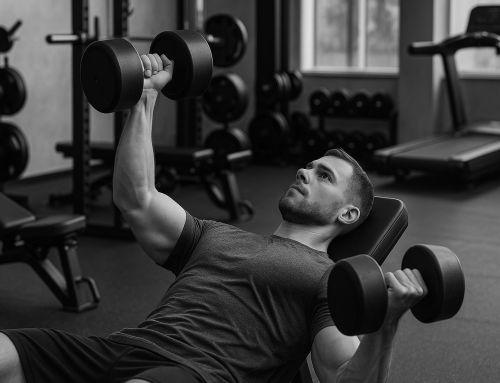
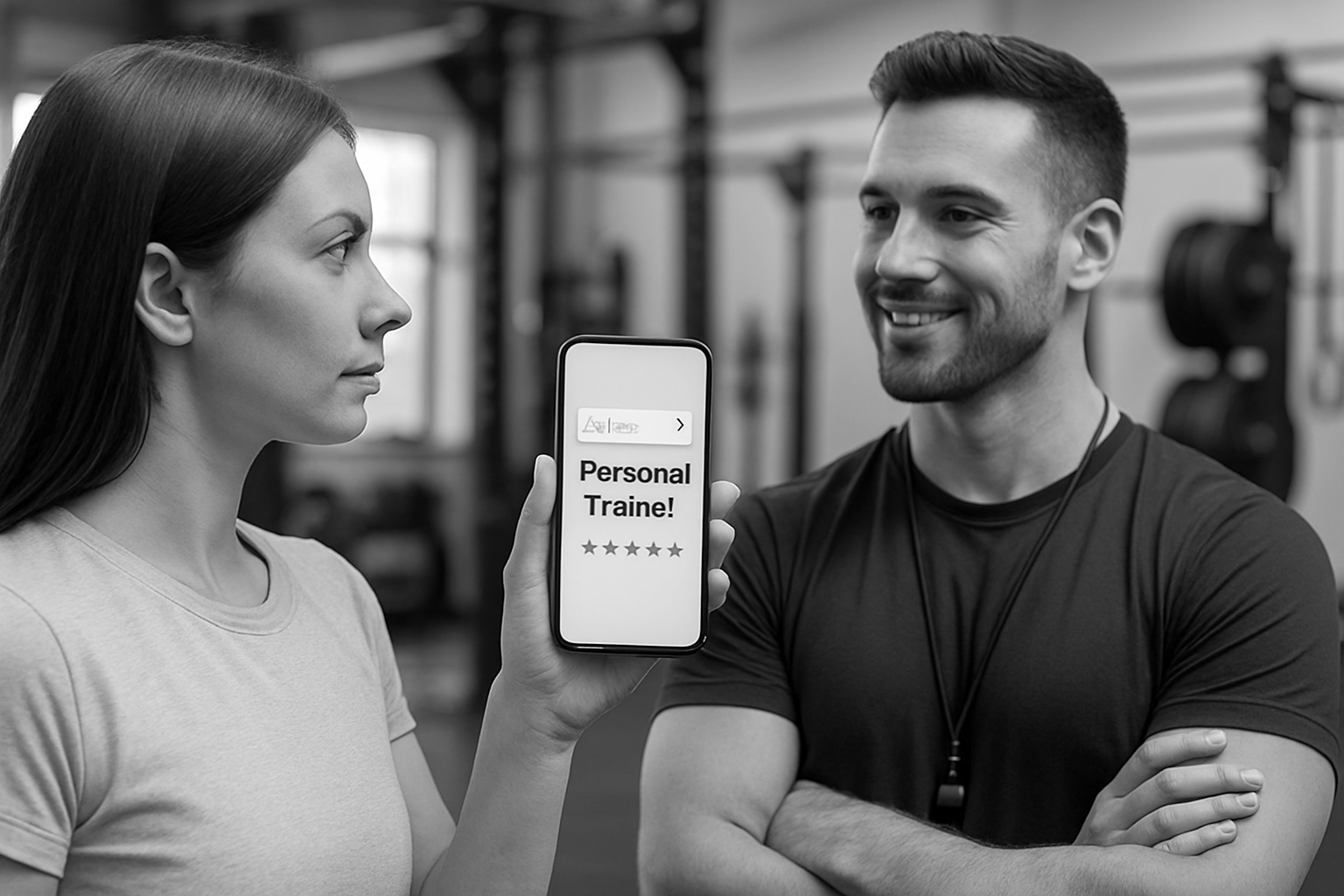
Why hiring a personal trainer can be worth it
A good personal trainer does more than count reps. They help you set realistic goals, build a plan you can actually follow, and stay consistent when motivation dips. The right fit can also reduce your risk of injury by teaching proper form and adjusting workouts to your body, schedule, and experience level.
That said, not every trainer is right for every person. Your results often come down to choosing someone whose skills, style, and approach align with what you need—whether that’s fat loss, strength, rehab-friendly training, or simply learning the basics with confidence.
Step 1: Get clear on your goals and needs
Define your primary goal
Before you start searching, take five minutes to name your top priority. Examples include:
- Build strength (e.g., deadlift, squat, push-up goals)
- Lose fat while maintaining muscle
- Improve fitness for an event (5K, hiking trip, sport season)
- Feel better day-to-day (energy, mobility, posture)
- Train safely with past injuries or chronic pain
Specific goals help you find a trainer with relevant experience—and help the trainer create a plan that’s measurable.
Consider your preferences and constraints
Next, think about what will make training realistic for you:
- Schedule: mornings vs evenings, how many sessions per week
- Location: gym, private studio, at-home, or outdoors
- Training style: supportive vs “tough love,” highly structured vs flexible
- Budget: how much you can spend monthly, not just per session
Being honest here saves time. The perfect trainer on paper won’t help if their schedule or environment doesn’t work for your life.
Step 2: Know what to look for in a trainer
Credentials and education
Certifications don’t guarantee excellence, but they do indicate foundational knowledge. Look for well-known, accredited certifications (the specific “best” varies by region). Trainers may also have degrees in exercise science, kinesiology, or related fields. If you have special considerations—like postpartum training, working with seniors, or returning from injury—ask about additional continuing education in those areas.
Experience with clients like you
Many trainers have a niche. Some focus on beginners, others on strength sports, endurance, or mobility. Ask directly: “Have you worked with clients with my goal and starting point?” Experience matters most when your situation is specific (pain history, limited time, high-performance goals, or training anxiety).
Coaching and communication style
The best programs fail when communication fails. A strong trainer should be able to explain the “why,” cue your form in a way you understand, and adjust the plan without making you feel judged. Pay attention to whether they listen closely, ask questions, and meet you where you are.
Professionalism and safety
Look for signs of a professional practice: punctuality, clear policies, informed consent, a thorough intake, and progress tracking. Safety is non-negotiable—your trainer should prioritize technique, proper warm-ups, and appropriate progression rather than pushing intensity at all costs.
Step 3: Where to find a personal trainer
Local gyms and fitness studios
Commercial gyms and boutique studios often have a roster of trainers and a structured onboarding process. This can be a convenient starting point, especially if you prefer in-person coaching and access to equipment. Ask if you can observe a session or schedule an intro consult to get a feel for the trainer’s style.
Independent trainers and private facilities
Independent trainers may work out of private studios, rent space in gyms, or offer at-home training. The upside is often a more tailored experience and consistency (you’re less likely to be passed between staff). The downside can be fewer built-in amenities or a higher price point.
Online personal training
Online coaching can be a great option if you’re comfortable training on your own with guidance. Many online trainers provide customized programs, video form reviews, check-ins, and habit support. If you travel frequently or need flexibility, online training can be the most sustainable choice.
Referrals and reviews
Word of mouth remains one of the best ways to find a trainer—especially from someone with similar goals. You can also scan reviews, but read between the lines: look for consistent themes like “good listener,” “explains form,” “adapted workouts,” and “helped me stay consistent,” not just “killer workouts.”
Step 4: Questions to ask before you commit
A consultation is your chance to interview the trainer. Consider asking:
- “How would you assess my starting point?” Look for an intake that includes health history, lifestyle, training experience, and movement basics.
- “What’s your approach to program design?” You want a plan that progresses over time, not random workouts.
- “How do you track progress?” This might include performance metrics, measurements, photos, consistency, or how you feel.
- “How do you handle plateaus or missed weeks?” Good trainers plan for real life.
- “What’s included in your pricing?” Clarify sessions, programming, messaging support, nutrition guidance, and cancellation policies.
- “Do you have experience with injuries or limitations like mine?” If relevant, ask for examples of how they’ve modified training.
If a trainer promises extreme results quickly, discourages questions, or uses a one-size-fits-all plan, consider that a red flag.
Step 5: Try a session and evaluate the fit
What a good first session should feel like
The first session often includes a basic assessment, technique coaching, and a workout that’s challenging but appropriate. You should leave feeling like you learned something—and like the trainer paid close attention to your form, breathing, and comfort level.
Signs you’ve found a strong match
- You feel respected, heard, and encouraged.
- The trainer explains exercises clearly and corrects form without shaming.
- The session is structured and purposeful, not chaotic.
- Adjustments are made based on your feedback and performance.
- You understand what the next steps are (plan, schedule, expectations).
When to keep looking
It’s okay to move on if you feel unsafe, pressured, or ignored. Also consider looking elsewhere if the trainer constantly checks their phone, can’t explain their choices, pushes pain as “normal,” or dismisses your goals and boundaries.
Step 6: Budgeting and getting the most from your investment
Common pricing structures
Personal training prices vary widely by location and trainer experience. You might see per-session rates, monthly packages, small-group training, or hybrid models (fewer in-person sessions plus a training plan). If weekly sessions aren’t feasible, ask about:
- Small-group training: lower cost with coaching support
- Hybrid training: one session per week or month, plus programming
- Online coaching: often more affordable and flexible
How to make progress faster (without overtraining)
Your results will come from what you do between sessions as much as what happens during them. To maximize your investment:
- Show up consistently and communicate honestly about sleep, stress, and soreness.
- Practice key movements on your own if your trainer provides a plan.
- Focus on fundamentals: protein, hydration, steps, and sleep.
- Track a few simple metrics (weights used, reps, energy, consistency).
Conclusion
Finding a personal trainer is less about choosing the most intense workouts and more about choosing the right partner for your goals, lifestyle, and personality. Clarify what you want, look for solid credentials and relevant experience, ask smart questions, and use a trial session to assess the fit. With the right trainer, you’ll build a sustainable routine—and the confidence to keep progressing long after the first few weeks.