Understanding Belly Fat (and Why It Matters)
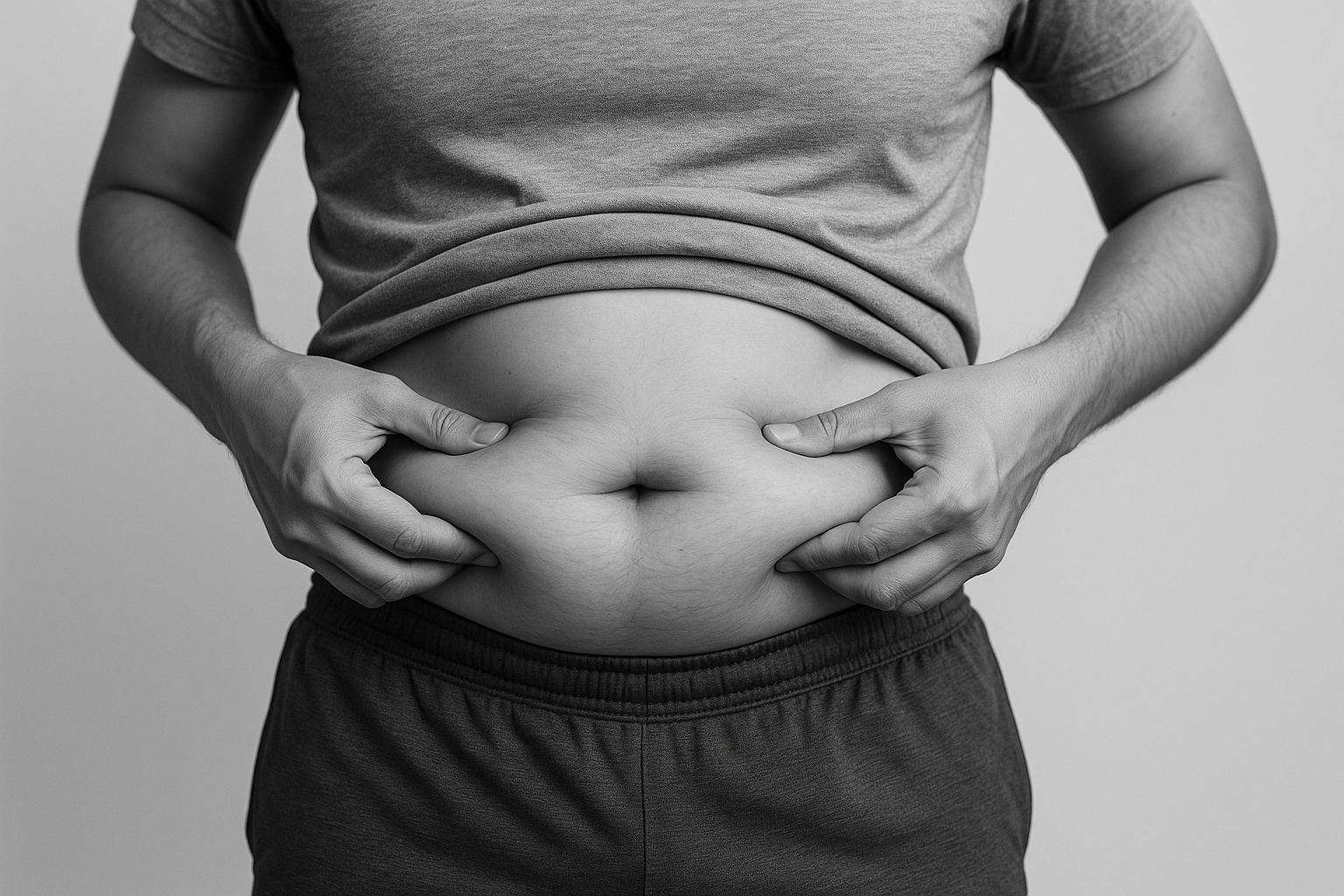
“Belly fat” isn’t just about how your stomach looks—there are different types of fat around the midsection, and they affect health differently. Subcutaneous fat sits under the skin and is the kind you can pinch. Visceral fat surrounds internal organs and is more strongly linked to health risks like insulin resistance, high blood pressure, and heart disease.
The good news: you can’t choose exactly where your body loses fat first, but you can reduce overall body fat and significantly shrink your waistline through consistent nutrition, movement, sleep, and stress management.
What Actually Works to Lose Belly Fat
There’s a lot of noise online, but belly-fat loss comes down to a few proven fundamentals. The most effective approach is a combination of a modest calorie deficit, strength training, smart cardio, and lifestyle habits that support hormone balance and recovery.
1) Create a Modest, Sustainable Calorie Deficit
Fat loss requires your body to use more energy than it takes in. You don’t need extreme dieting—large deficits often backfire by increasing hunger and making the plan hard to maintain.
- Aim for a small deficit: Many people do well with a 250–500 calorie daily deficit.
- Track lightly or consistently: You can use an app for a few weeks to learn portions, or focus on plate methods (more on that below).
- Prioritize consistency: A plan you can follow for months beats a “perfect” plan you quit in two weeks.
2) Eat Enough Protein (It’s a Game-Changer)
Protein supports fat loss by keeping you full, helping preserve muscle while dieting, and slightly increasing the calories you burn digesting food.
- Target range: About 0.7–1.0 grams of protein per pound of goal body weight (or roughly 1.6–2.2 g/kg) is a common evidence-based range.
- Easy protein choices: Greek yogurt, eggs, chicken, fish, tofu, tempeh, lentils, lean beef, cottage cheese, protein shakes if helpful.
- Simple habit: Include a protein source at every meal, especially breakfast.
3) Build Your Plate Around Fiber-Rich Foods
Fiber helps control appetite, supports gut health, and slows digestion so blood sugar stays steadier—useful for reducing cravings and mindless snacking.
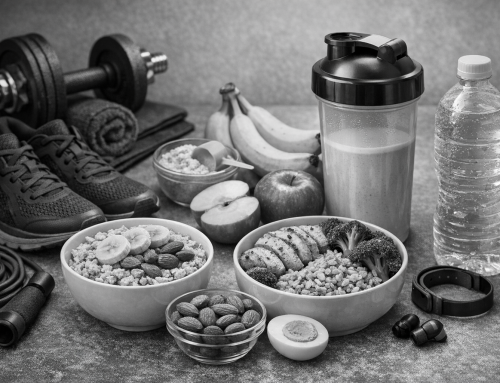
- High-fiber picks: Vegetables, berries, apples, beans, lentils, oats, chia seeds, whole grains.
- Plate method: ½ plate non-starchy vegetables, ¼ plate protein, ¼ plate carbs (whole grains or starchy veggies), plus a thumb of healthy fat.
4) Strength Train 2–4 Times per Week
If your goal is a smaller waist, strength training is non-negotiable. It helps maintain (or build) muscle while you lose fat, and more muscle generally improves metabolic health and body composition.
- Focus on big movements: Squats, hinges (deadlifts or hip hinges), presses, rows, lunges, and carries.
- Progress gradually: Add a little weight, reps, or sets over time.
- Core training helps—but won’t “spot reduce”: Planks, dead bugs, Pallof presses, and farmer’s carries can strengthen your midsection, improving posture and stability as fat comes off.
5) Add Cardio Strategically (Not Excessively)
Cardio can help create a calorie deficit and improve heart health, but you don’t need to live on a treadmill. The best cardio is the kind you can do consistently.
- Start with walking: A daily 20–45 minute walk is underrated for fat loss and stress reduction.
- Mix intensities: Add 1–2 short interval sessions per week if you enjoy them (e.g., 10–20 minutes of intervals), but keep most sessions moderate.
- Increase daily movement: More steps, taking stairs, short walk breaks—these add up more than most people realize.
6) Cut Back on Added Sugar and Alcohol
You don’t have to eliminate treats, but highly processed foods and frequent drinking can make belly-fat loss harder by increasing calorie intake and lowering diet quality.
- Added sugar: Swap soda/juice for sparkling water, and choose fruit or yogurt-based desserts more often.
- Alcohol: Alcohol adds calories quickly and can increase late-night snacking. If belly fat is a major goal, try limiting drinking to 0–2 days per week or take a 30-day break.
7) Prioritize Sleep and Stress Management
Chronic stress and poor sleep can increase hunger, cravings, and fatigue—making it harder to stay consistent. They also affect hormones involved in appetite regulation.
- Sleep goal: 7–9 hours most nights.
- Sleep basics: Keep a regular bedtime, reduce late caffeine, dim lights at night, and limit screens before bed.
- Stress tools: Daily walks, resistance training, journaling, breathing exercises, and setting boundaries around work and notifications.
Common Belly Fat Myths (and What to Do Instead)
Myth: You can “spot reduce” belly fat with ab workouts
Crunches strengthen abdominal muscles, but fat loss happens systemically. Keep core work for strength and posture, while focusing on nutrition, steps, and full-body training for fat loss.
Myth: Detoxes and belly-fat teas melt fat
Most “detox” products mainly cause water loss or act as laxatives. Instead, prioritize whole foods, hydration, and consistent habits.
Myth: Carbs automatically cause belly fat
Overeating calories causes fat gain, not carbs alone. Many people do well with carbs from minimally processed sources—especially around workouts.
A Simple 7-Day Plan to Get Started
If you want a clear starting point, use this one-week structure and repeat it, adjusting as needed:
- Protein at each meal: Plan 3–4 protein servings daily.
- Vegetables twice a day: At least 2 fist-sized servings daily.
- Walk most days: 20–45 minutes, or a step goal you can hit consistently.
- Strength train: 2–3 full-body sessions (30–60 minutes).
- Sleep routine: Choose a bedtime and stick to it for 7 days.
- Limit liquid calories: Water, unsweetened tea/coffee, zero-cal drinks if needed.
Track one metric: Use waist measurement (at navel) once per week, plus progress photos or how clothes fit. Scale weight can fluctuate with water, salt, and stress—waist trends are often more helpful for belly-fat goals.
Conclusion
Losing belly fat isn’t about a secret exercise or a special supplement—it’s about consistent fundamentals: a modest calorie deficit, protein and fiber-rich meals, strength training, regular movement, and supportive sleep and stress habits. Start with small changes you can maintain, track progress over time, and focus on building a routine that fits your life. With patience and consistency, your waistline will follow.