Understanding Weight Loss (and Why It’s Hard)
Weight loss sounds simple—eat less, move more—but real life is rarely that tidy. Your body is designed to protect its energy stores, which means hunger, cravings, stress, sleep, hormones, and habits all influence how many calories you eat and burn. The goal isn’t to “fight” your body; it’s to set up a plan that works with it. Sustainable weight loss usually comes from small, consistent changes that you can keep doing for months and years—not a short burst of extreme dieting.
It also helps to define success correctly: the best plan is the one that improves your health, fits your lifestyle, and feels doable. If you lose weight but feel miserable, constantly hungry, or overwhelmed, it’s unlikely to last.
Set a Realistic Goal and Track Progress
Healthy weight loss is typically gradual. For many people, aiming for about 0.5–1% of body weight per week is a reasonable pace, though your individual results can vary. More important than speed is consistency—steady progress with fewer “all-or-nothing” cycles.
Use more than one way to track progress so you don’t get discouraged by normal fluctuations:
- Body weight: Weigh at the same time of day and look at weekly trends, not daily spikes.
- Measurements: Waist and hip measurements can reflect fat loss even when the scale stalls.
- Photos: Monthly progress photos can reveal changes you don’t notice day to day.
- Performance: Strength, stamina, steps, and energy levels matter.
Create a Calorie Deficit Without Feeling Deprived
Weight loss requires a calorie deficit—burning more energy than you take in. The key is creating that deficit in a way that keeps you satisfied, supports your health, and doesn’t trigger rebound overeating.
Focus on High-Satiety Foods
Some foods keep you full longer for fewer calories. Build most meals around:
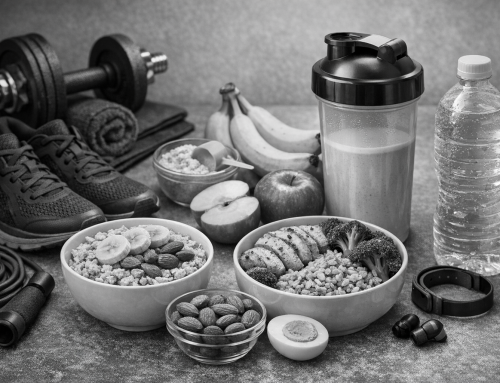
- Protein: Chicken, fish, lean meat, eggs, Greek yogurt, tofu, tempeh, beans, lentils.
- Fiber-rich carbs: Vegetables, berries, whole grains, legumes, potatoes.
- Healthy fats (in sensible portions): Avocado, olive oil, nuts, seeds.
A simple plate method helps: half the plate non-starchy vegetables, a quarter protein, a quarter starch/whole grains, plus a small amount of fat.
Portion Control That Doesn’t Feel Like Dieting
You don’t have to weigh every gram of food forever, but portion awareness is powerful. Try these tactics:
- Use smaller plates and bowls.
- Pre-portion calorie-dense foods (nuts, cheese, oils) instead of eating from the bag.
- Start with one serving, then pause 10 minutes before deciding on seconds.
- Keep “treat” foods, but serve them intentionally (not distracted or straight from the package).
Be Smart with Drinks and Snacks
Liquid calories add up quickly and don’t always satisfy hunger. If weight loss is your goal, prioritize water, sparkling water, unsweetened tea, or coffee. If you enjoy sugary drinks or alcohol, keep them occasional and planned.
For snacks, choose options that include protein and fiber (for example: yogurt and berries, apple and peanut butter, carrots and hummus). Snacks aren’t required—use them when they help you stay consistent, not out of boredom.
Build an Exercise Routine That Supports Fat Loss
Exercise isn’t only about burning calories. It helps preserve muscle while dieting, improves mood and sleep, reduces stress, and makes your body more metabolically “active” over time. The best routine is one you’ll actually do.
Prioritize Strength Training
Strength training helps you maintain or build muscle as you lose fat. More muscle improves body composition and can make maintaining weight loss easier. Aim for 2–4 strength sessions per week, focusing on major movement patterns:
- Squat/lunge variations
- Hinge movements (deadlifts/hip hinges)
- Push (push-ups/bench press)
- Pull (rows/pull-downs)
- Core stability (planks/carries)
Start light, prioritize good form, and gradually increase weights or reps over time.
Add Cardio and Daily Movement
Cardio supports heart health and can help create a calorie deficit, but it doesn’t need to be extreme. Pick what you enjoy—brisk walking, cycling, swimming, dancing, jogging—and aim for consistency. Many people also see big results from increasing daily movement (often called NEAT: non-exercise activity thermogenesis):
- Take 7,000–10,000 steps per day as a general target (adjust based on your baseline).
- Use stairs when possible.
- Do short “movement snacks” (5–10 minutes) between work blocks.
Master the Habits That Make Weight Loss Stick
Most weight loss plans fail because they rely on motivation alone. Habits create results even when motivation is low.
Sleep, Stress, and Hormones
Short sleep increases hunger and cravings for high-calorie foods. Chronic stress can lead to emotional eating and makes consistency harder. Aim for 7–9 hours of sleep and build stress tools into your week—walks, strength training, journaling, breath work, social connection, or therapy if needed.
Plan Your Environment
Your surroundings shape your choices. Make healthy options the default:
- Keep easy proteins and ready-to-eat produce available.
- Batch-cook a few staples (chicken, rice, roasted vegetables) for fast meals.
- Put indulgent snacks out of sight, and store nutritious foods at eye level.
Consistency Over Perfection
Progress comes from what you do most of the time. Use an 80/20 approach: mostly nutrient-dense meals, with room for foods you love. If you go off plan, don’t “start over Monday.” Just return to your next normal meal—this is how you avoid the binge-restrict cycle.
Common Mistakes to Avoid
- Eating too little: Extreme restriction often backfires with cravings, fatigue, and overeating.
- Ignoring protein: Low protein can increase hunger and make it harder to maintain muscle.
- Overestimating calories burned: Exercise is great, but it doesn’t “cancel out” large portions.
- Only using the scale: Water retention can mask fat loss—use multiple measures.
- Trying to change everything at once: Build one or two habits first, then stack more.
Conclusion
To lose weight effectively, focus on a manageable calorie deficit, satisfying foods, strength training, and daily movement—then protect your progress with good sleep, stress management, and simple habits. Start small, track trends, and keep your plan realistic. The most successful approach is the one you can repeat consistently while still enjoying your life.