
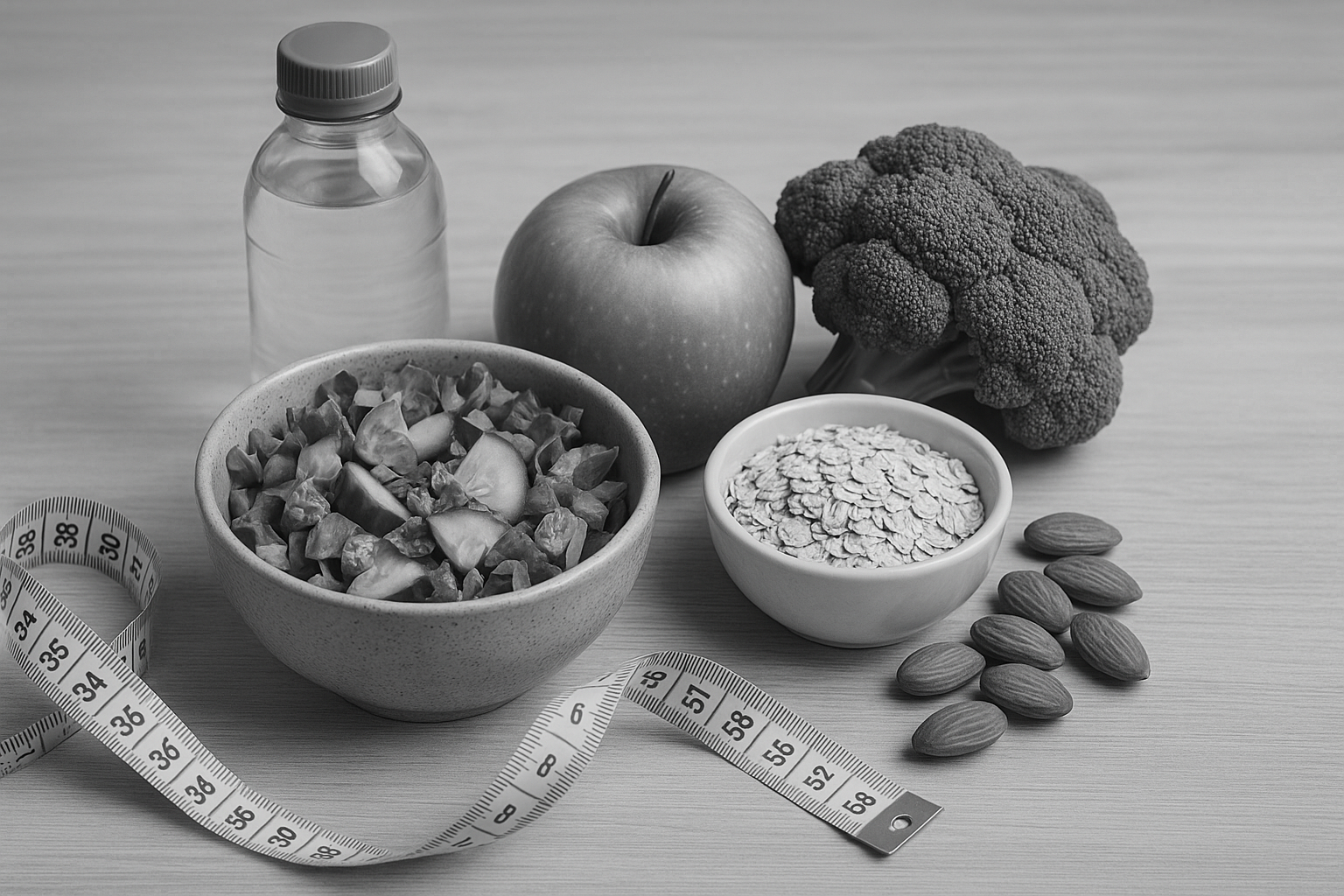
What “Eating Healthy” Really Means
Eating healthy doesn’t require perfect meals, strict rules, or cutting out every food you enjoy. At its core, it means choosing foods and habits that help you feel better day to day, support your long-term health, and fit your lifestyle. A healthy way of eating is usually:
- Balanced: includes protein, fiber-rich carbs, healthy fats, and plenty of colorful produce.
- Consistent: focuses on what you do most of the time—not occasional treats.
- Satisfying: keeps you full and energized, not deprived.
- Flexible: works at home, at restaurants, and on busy days.
If you’re just starting, the goal isn’t a dramatic overhaul. The goal is to build a few reliable habits that make healthier choices feel easier over time.
Start With Your “Why” (So You Don’t Quit)
Motivation fades if your plan is based on willpower alone. Before changing what’s on your plate, get clear on why you want to eat healthier. Your “why” could be to have more energy, manage cholesterol or blood sugar, improve digestion, sleep better, feel stronger, or simply feel more comfortable in your body.
Try this quick exercise:
- Write down one health goal you care about.
- List two benefits you’ll notice in everyday life (example: fewer afternoon crashes, more stable mood).
- Choose a time frame to reassess (example: two weeks of small changes).
When your “why” is personal and specific, it’s much easier to stick with the basics—especially on stressful days.
Build Your Plate the Easy Way
Instead of tracking everything or memorizing complicated rules, use a simple plate method. It works whether you cook at home, meal prep, or eat out.
Fill Half Your Plate With Produce
Vegetables and fruits bring fiber, vitamins, minerals, and volume—meaning you can eat a satisfying portion without feeling overly heavy. If “half your plate” feels like too much right now, start by adding one extra serving per day.
Easy options:
- Bagged salad kits (watch the dressing portion)
- Frozen veggies you can microwave in minutes
- Berries or sliced apples with breakfast
- Baby carrots, snap peas, or cucumbers with a dip
Add a Protein Source
Protein supports muscle maintenance, keeps you fuller longer, and helps stabilize energy. Aim to include a protein source at most meals.
Beginner-friendly proteins include:
- Eggs, Greek yogurt, cottage cheese
- Chicken, turkey, fish, lean beef
- Beans, lentils, tofu, tempeh
- Canned tuna or salmon
If you’re not sure how much to eat, a practical guideline is a portion about the size of your palm (adjust based on hunger and activity).
Choose High-Fiber Carbs
Carbs aren’t the enemy—especially when they come with fiber. High-fiber carbs help with digestion, heart health, and keeping you satisfied. Think “whole” and “less processed” when you can.
- Oats, brown rice, quinoa, whole-wheat pasta
- Potatoes or sweet potatoes
- Whole-grain bread or tortillas
- Beans and lentils (also count as protein)
Aim for roughly a quarter of your plate from carbs and adjust based on your needs and how you feel.
Include Healthy Fats (In the Right Amount)
Healthy fats support hormones, brain health, and satisfaction. The key is portion size because fats are calorie-dense.
- Olive oil, avocado
- Nuts and nut butters
- Seeds (chia, flax, pumpkin)
- Fatty fish (salmon, sardines)
For many meals, a “thumb-sized” portion of fats (or 1–2 tablespoons of oil/dressing) is a solid starting point.
Make Small Changes You Can Actually Maintain
Big changes can work for a week; small changes can work for years. Pick one or two habits to focus on at a time, and let them become routine before adding more.
Upgrade One Meal at a Time
Instead of changing everything on day one, choose one meal you eat most days and improve it slightly. Examples:
- Breakfast: add Greek yogurt or eggs for protein
- Lunch: swap chips for fruit or a side salad
- Dinner: add a frozen veggie and use olive oil instead of heavy sauces
Plan for Convenience
Healthy eating is much easier when the healthiest choice is also the easiest choice. Stock your kitchen with quick options you’ll realistically use.
Convenient staples:
- Frozen fruit and vegetables
- Pre-cooked chicken or rotisserie chicken
- Microwaveable rice or quinoa
- Canned beans and canned fish
- Simple sauces (salsa, pesto, hummus) to add flavor fast
Practice the 80/20 Mindset
You don’t need to “eat clean” all the time. Aim for nutrient-dense choices most of the time, and leave room for enjoyment. This mindset helps you avoid the all-or-nothing cycle where one indulgence leads to giving up entirely.
Common Mistakes (and How to Avoid Them)
Many people struggle not because they lack discipline, but because their strategy is too extreme or unclear. Here are a few common pitfalls and quick fixes.
Cutting Too Much Too Fast
If you suddenly remove entire food groups or slash portions dramatically, hunger and cravings often spike. Instead, focus on adding helpful foods first (protein, produce, fiber) and let less nutritious options naturally take up less space.
Relying on “Healthy” Packaged Foods Only
Some packaged foods are helpful, but many “health” labels hide high sugar, low fiber, or tiny portions. Use the label as a tool: look for more protein and fiber and less added sugar. Pair packaged items with whole foods (example: protein bar + fruit).
Skipping Meals and Then Overeating Later
Skipping meals can backfire by increasing cravings and making it harder to choose balanced portions later. If your schedule is hectic, plan a simple “bridge snack” like yogurt, a banana with peanut butter, or nuts and fruit.
A Simple 7-Day Healthy Eating Starter Plan
Use this as a gentle reset. You can repeat it weekly or mix and match.
- Day 1: Add one vegetable to lunch.
- Day 2: Include a protein at breakfast.
- Day 3: Drink an extra 2 cups of water.
- Day 4: Swap one refined carb for a high-fiber option (example: white bread → whole grain).
- Day 5: Plan two go-to snacks (protein + fiber).
- Day 6: Cook one simple meal at home using the plate method.
- Day 7: Practice mindful eating for one meal—slow down, notice hunger/fullness, and stop when comfortably satisfied.
These steps may seem small, but together they create real momentum.
Conclusion
Starting to eat healthy is less about perfection and more about building a few repeatable habits: create balanced meals, prioritize protein and produce, choose high-fiber carbs, and keep healthy options convenient. Start with one change you can sustain this week, and let consistency do the heavy lifting. Over time, healthy eating becomes not a challenge—but a normal part of your life.