What Is Intermittent Fasting?
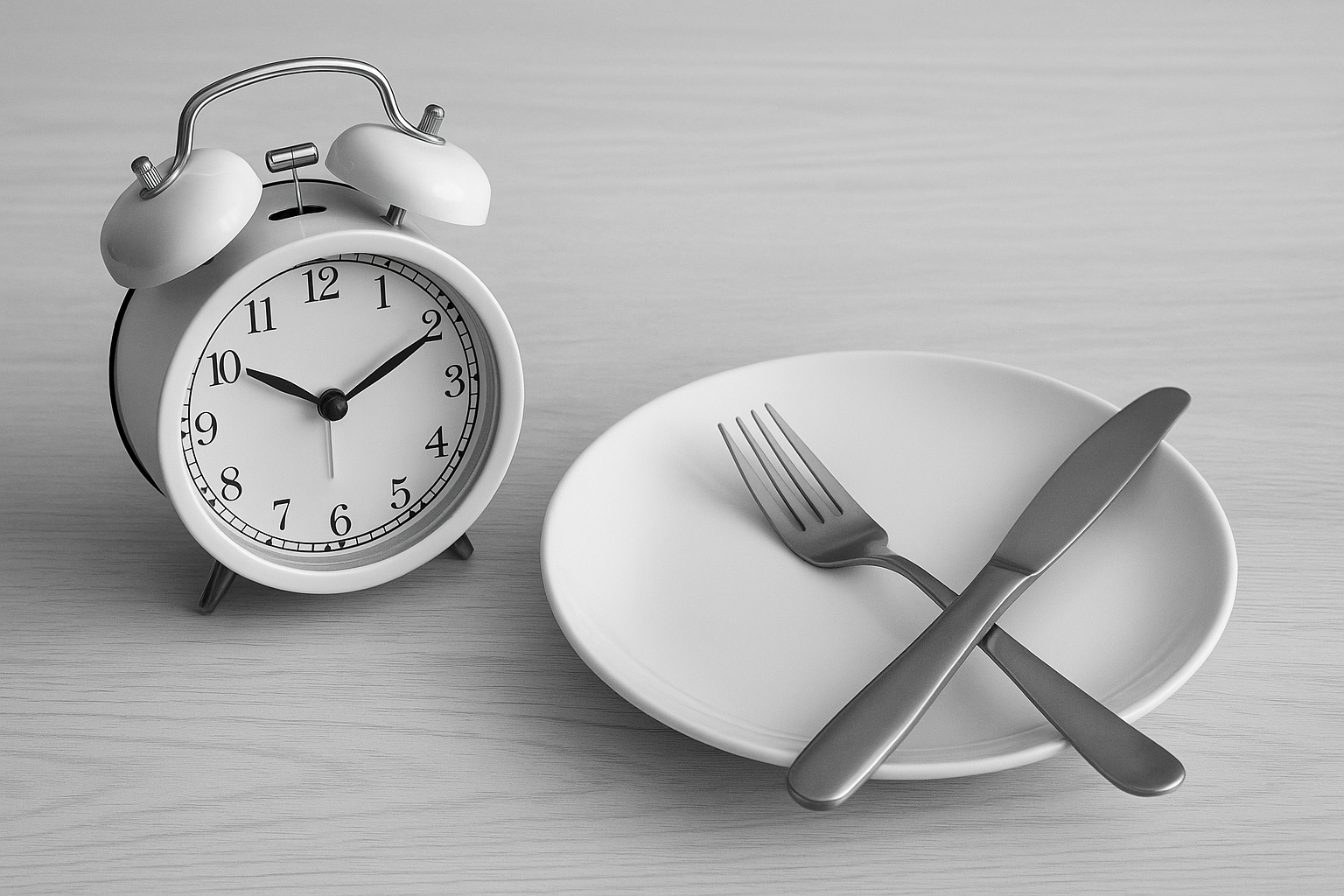
Intermittent fasting (IF) is an eating pattern that alternates between periods of eating and periods of not eating. Unlike many diets, it doesn’t prescribe specific foods; it focuses on when you eat. Common approaches include daily time-restricted eating (like an 8-hour eating window) or fasting on certain days of the week.
People try intermittent fasting for many reasons—weight management, improved energy, better relationship with snacking, and metabolic health. It’s not a quick fix, and it’s not for everyone, but when done thoughtfully, it can be a simple structure that helps some people eat more intentionally.
How Intermittent Fasting Works
During the hours you’re not eating, your body draws on stored energy to keep you going. The basic idea is that when you stop grazing throughout the day, you may reduce overall calorie intake and give your digestive system a break.
When you’re in a fasting window, insulin levels typically drop compared to after meals, and your body can shift toward using stored glycogen and fat for energy. On the eating side, most IF plans emphasize consuming enough protein, fiber, and nutrients within the time you do eat—because fasting doesn’t “erase” poor food choices.
Fasting vs. Starving: What’s the Difference?
Fasting is a planned, time-limited choice with adequate nutrition during eating periods. Starvation is unintended and prolonged lack of food that leads to nutrient deficiencies and health risks. A well-designed intermittent fasting routine should still include balanced meals, hydration, and enough calories to support your body.
Popular Intermittent Fasting Schedules
There isn’t one “best” fasting schedule. The best plan is the one you can do consistently, that supports your health, and that doesn’t trigger unhealthy behaviors. Here are several common options:
16:8 (Time-Restricted Eating)
This is one of the most popular approaches: fast for 16 hours and eat within an 8-hour window (for example, 12 p.m. to 8 p.m.). Many people find this doable because it often looks like skipping breakfast or ending evening snacks earlier.
14:10 (A Gentler Starter Option)
Fasting 14 hours and eating within a 10-hour window can be a great entry point. It may feel more sustainable for beginners, people with active lifestyles, or those who prefer earlier meals.
5:2 Method
With the 5:2 approach, you eat normally five days per week and reduce calories on two non-consecutive days. The “fasting” days are typically low-calorie rather than zero-calorie, which can help with adherence.
Alternate-Day Fasting
This method alternates a fasting day and a normal eating day. Some variations include a small meal on fasting days. It can work for certain people, but it’s generally more challenging socially and physically than time-restricted eating.
Potential Benefits of Intermittent Fasting
Research on intermittent fasting continues to grow. While individual results vary, some people experience meaningful improvements—especially when IF leads to better overall eating habits.
Weight Management
IF may support weight management by reducing mindless snacking and creating a natural structure that can lower total calorie intake. It can also be easier than constant calorie counting for some people. That said, it’s possible to overeat in the eating window, so results depend on food quality and portion sizes.
Blood Sugar and Metabolic Health
Some studies suggest intermittent fasting may improve insulin sensitivity and support healthier blood sugar patterns, especially when combined with nutrient-dense meals and regular activity. People with diabetes or on glucose-lowering medications should work with a clinician before trying IF, as fasting can increase the risk of low blood sugar.
Simplicity and Better Eating Awareness
Many people like IF because it simplifies decision-making. Fewer eating periods can mean fewer chances to snack out of habit. Over time, you may become more aware of true hunger cues versus “it’s 3 p.m., I want something crunchy.”
Common Challenges (and How to Handle Them)
Intermittent fasting can feel surprisingly easy for some—and quite difficult for others. Planning for the common sticking points helps you stay consistent without feeling miserable.
Hunger, Headaches, and Low Energy
Early on, hunger waves are normal. They often improve after 1–2 weeks as your routine stabilizes. To make the transition smoother:
- Hydrate (water, sparkling water, unsweetened tea)
- Prioritize sleep—poor sleep increases hunger hormones
- Start gradually (try 12:12 or 14:10 before 16:8)
- Eat balanced meals with protein, fiber, and healthy fats
Social Events and Busy Schedules
Life happens: brunches, travel days, late meetings. Flexibility is part of sustainability. If you occasionally shift your eating window or take a “normal” day, you haven’t failed—you’ve adapted. The goal is consistency over time, not perfection every day.
Overeating During the Eating Window
One of the biggest pitfalls is treating the eating window like a free-for-all. To avoid rebound overeating:
- Break your fast with a protein-forward meal (not just refined carbs)
- Include high-volume foods (vegetables, fruit, soups)
- Plan 1–2 satisfying meals rather than grazing nonstop
What to Eat (and Drink) While Intermittent Fasting
Intermittent fasting works best when your meals support steady energy, muscle maintenance, and fullness.
Best Foods for Your Eating Window
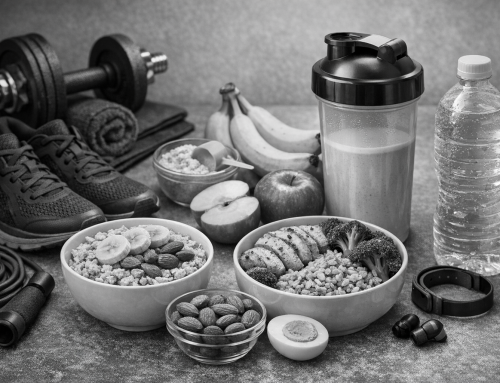
- Protein: eggs, Greek yogurt, chicken, fish, tofu, beans, lean meats
- Fiber-rich carbs: oats, quinoa, brown rice, lentils, fruit, vegetables
- Healthy fats: olive oil, avocado, nuts, seeds
- Hydration support: water-rich foods, broths, lightly salted meals if needed
A simple “break-fast” plate could be: a big salad with salmon or chickpeas, olive oil dressing, and a side of fruit—or scrambled eggs with sautéed vegetables and whole-grain toast.
What Breaks a Fast?
In general, calories break a fast. Many people stick to water, black coffee, and plain tea during fasting hours. Some choose small amounts of milk in coffee or low-calorie drinks; whether that “counts” depends on your goals and how your body responds. If fat loss or blood sugar control is your priority, keeping the fasting window truly calorie-free is often the simplest approach.
Who Should Avoid Intermittent Fasting?
Intermittent fasting isn’t appropriate for everyone. It may be best to avoid IF—or only do it with medical guidance—if you:
- Are pregnant or breastfeeding
- Have a history of eating disorders or disordered eating patterns
- Are underweight or have difficulty maintaining weight
- Have diabetes or take medications that affect blood sugar
- Are a teen still growing
If you have any chronic medical conditions, or if fasting causes dizziness, faintness, obsessive food thoughts, or binge-restrict cycles, it’s a sign to stop and speak with a healthcare professional.
How to Start Intermittent Fasting Safely
If you want to try intermittent fasting, a gradual, practical approach usually works best:
- Pick an easy schedule: Start with 12:12 or 14:10 before moving to 16:8.
- Set meal anchors: Plan a balanced first meal and a balanced last meal.
- Protein at every meal: This supports fullness and muscle maintenance.
- Keep strength training: It helps preserve lean mass during weight loss.
- Track how you feel: Energy, sleep, mood, digestion, and workout performance matter.
Remember: IF is a tool, not a requirement. If it makes your life harder or your health worse, it’s okay to choose a different approach.
Conclusion
Intermittent fasting can be a straightforward way to structure eating and reduce habitual snacking, and it may support weight and metabolic health for some people. The most successful approach is one that fits your lifestyle, includes nutrient-dense meals, and feels sustainable. Start gently, stay hydrated, prioritize balanced food choices, and don’t hesitate to get professional guidance if you have health concerns.