
Why Exercise Matters for Weight Loss
Exercise is one of the most reliable tools for losing weight—and for keeping it off. While nutrition typically drives the biggest changes on the scale, exercise strengthens your results by increasing daily calorie burn, helping preserve (or build) muscle, improving insulin sensitivity, and reducing stress. Just as important: it reinforces healthy routines. People who move consistently tend to sleep better, feel more energized, and make food choices that support their goals.
That said, exercise alone can be frustrating if you expect quick scale drops. Water retention, muscle gain, and hormonal shifts can temporarily mask fat loss. The win is consistency: when you pair smart training with a manageable eating approach, your body composition changes even when the scale fluctuates.
Start With the Basics: Calorie Deficit and Consistency
Weight loss ultimately requires a calorie deficit—burning more energy than you consume over time. Exercise helps create that deficit, but it works best when it supports habits you can maintain. The “best” workout is the one you can do repeatedly without burning out or getting injured.
Before chasing advanced programs, focus on two basics:
- Consistency: Aim for weekly activity you can repeat for months, not days.
- Progression: Gradually increase difficulty (time, resistance, speed, or volume) so your body keeps adapting.
Also consider your starting point. If you’re currently sedentary, simply adding daily walks and two brief strength sessions each week can create meaningful momentum. If you already exercise regularly, the key may be improving training quality, increasing movement outside workouts, or adjusting recovery so you can train harder.
Pick the Right Types of Exercise
A well-rounded plan usually includes a mix of cardio, strength training, and everyday movement. Each plays a different role in fat loss and long-term weight maintenance.
Cardio for Calorie Burn and Heart Health
Cardio (walking, cycling, swimming, jogging, rowing) burns calories efficiently and improves cardiovascular fitness. It can also reduce stress and boost mood, which indirectly supports weight loss by improving adherence.
What to do:
- Start with moderate-intensity cardio: brisk walking or cycling where you can talk in short sentences.
- Build to 150–300 minutes per week: a common range associated with meaningful health and weight benefits.
- Use low-impact options if joints or recovery are a concern (incline walking, elliptical, swimming).
If fat loss stalls, gently increase total weekly cardio time or add an extra session rather than making every workout all-out.
Strength Training to Preserve Muscle and Boost Metabolism
Strength training is a game-changer for body composition. When you lose weight, you want most of that loss to come from fat—not muscle. Lifting weights (or doing resistance training with bands/bodyweight) helps preserve lean mass, which supports your metabolic rate and makes you look “toned” as you get leaner.
What to do:
- Train 2–4 days per week with full-body sessions or an upper/lower split.
- Prioritize big movements: squats (or sit-to-stands), hinges (deadlift patterns), pushes (push-ups/presses), pulls (rows), and carries.
- Progress gradually: add a little weight, extra reps, or another set over time.
Don’t worry if the scale doesn’t drop as quickly once you start lifting. Muscle repair can increase water weight temporarily, and recomposition (losing fat while gaining some muscle) may show up first in measurements, photos, and how clothes fit.
HIIT: Helpful, but Not Required
High-Intensity Interval Training (HIIT) alternates short bursts of hard effort with recovery periods. It’s time-efficient and can improve fitness fast, but it’s also more demanding on recovery and can increase appetite in some people.
How to use HIIT wisely:
- Limit to 1–2 sessions per week if you’re also strength training.
- Choose joint-friendly formats (bike, rower) if running aggravates knees or shins.
- Keep it short: 10–20 minutes of intervals is plenty.
If HIIT leaves you exhausted, sore, or ravenous, switch to steady-state cardio and focus on total weekly movement instead.
NEAT: The Secret Weapon (Daily Movement)
NEAT stands for Non-Exercise Activity Thermogenesis—the calories you burn outside formal workouts. For many people, NEAT has a bigger impact on weekly calorie burn than a few gym sessions, especially if they’re otherwise sedentary.
Easy ways to increase NEAT:
- Walk 10 minutes after meals
- Take stairs when practical
- Stand during calls or meetings
- Do a quick evening tidy-up or light household tasks
- Set a daily step goal and build it slowly
Think of NEAT as your “baseline fat-loss multiplier.” It’s often easier to add 2,000–4,000 steps per day than to grind through another intense workout.
Build a Weekly Exercise Plan That Works
A sustainable plan balances results with recovery. Here are three sample approaches—choose the one that fits your schedule and preferences.
Beginner Plan (3–4 Days/Week)
- 2 days strength training: full-body (30–45 minutes)
- 1–2 days cardio: brisk walk, bike, or swim (20–40 minutes)
- Daily: short walks and light movement breaks
Intermediate Plan (4–5 Days/Week)
- 3 days strength training: full-body or upper/lower split
- 2 days cardio: one steady session + one intervals session
- Daily: step goal and post-meal walks
Busy Schedule Plan (Minimum Effective Dose)
- 2 days strength training: 25–35 minutes, full-body circuits
- 2–3 “movement snacks” daily: 5–10 minutes of walking, stairs, or bodyweight moves
- Weekend: one longer walk/hike for enjoyment
The best plan is the one you can follow even on stressful weeks. Start slightly easier than you think you need, then build.
Common Weight-Loss Exercise Mistakes (and How to Avoid Them)
- Doing too much too soon: Sudden volume spikes increase injury risk. Add time or intensity gradually.
- Relying on “calories burned” trackers: Wearables often overestimate. Use them for trends, not exact numbers.
- Skipping strength training: Cardio-only plans can lead to muscle loss and a “soft” look at a lower weight.
- Not recovering: Poor sleep and constant soreness reduce performance and consistency. Schedule rest days and keep some sessions easy.
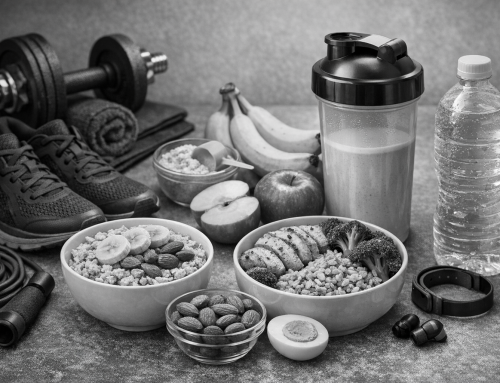
- Overcompensating with food: Exercise can increase hunger. Plan protein-rich meals and high-volume foods (veg, fruit, soups).
How to Track Progress Beyond the Scale
The scale is useful, but it’s not the whole story—especially when you start training. Consider tracking:
- Waist and hip measurements every 2–4 weeks
- Progress photos in consistent lighting
- Fitness markers: more reps, heavier weights, faster walking pace, lower resting heart rate
- Clothing fit and overall energy
If you’re trending stronger and your measurements are shrinking, you’re on the right path—even if the scale is slow.
Conclusion: Make Exercise Your Long-Term Advantage
Losing weight with exercise works best when you combine consistent training with a realistic calorie deficit and plenty of daily movement. Prioritize strength training to protect muscle, use cardio to increase calorie burn and fitness, and boost NEAT to amplify results without burnout. Start where you are, progress gradually, and measure success by more than just the scale—your body will follow your habits.