
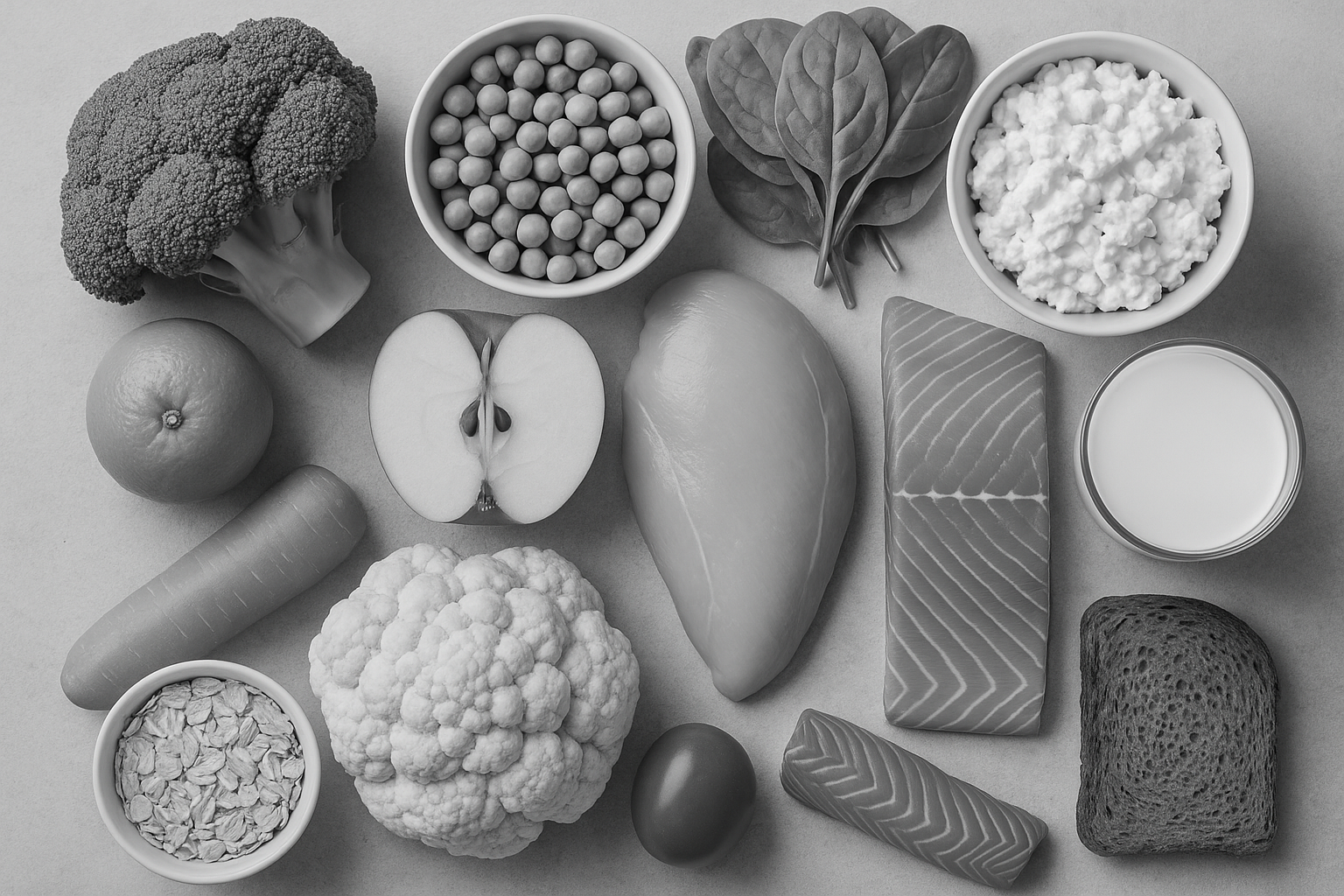
Understanding Nutritional Guidelines
Nutritional guidelines are science-based recommendations designed to help people meet their nutrient needs, support overall health, and reduce the risk of chronic disease. While details vary slightly by country and health authority, most guidelines share common principles: eat a variety of minimally processed foods, emphasize plant foods, choose quality proteins and fats, and limit added sugars, excess sodium, and alcohol.
Think of guidelines as a framework—not a strict meal plan. Your age, activity level, medical history, culture, budget, and food preferences all influence what “healthy eating” looks like in practice.
Core Principles of a Healthy Eating Pattern
Focus on whole and minimally processed foods
Whole and minimally processed foods tend to deliver more fiber, vitamins, minerals, and beneficial plant compounds per calorie. Examples include vegetables, fruit, beans, lentils, nuts, seeds, eggs, fish, plain yogurt, and whole grains. This doesn’t mean you can’t eat packaged foods; it means the foundation of your diet should come from foods close to their original form.
Balance macronutrients: protein, carbs, and fats
Most people do best with a balanced mix of macronutrients:
- Carbohydrates fuel daily activity. Prioritize high-fiber options such as oats, brown rice, quinoa, potatoes, fruit, and legumes.
- Protein supports muscle maintenance, immune function, and satiety. Include a protein source at most meals (e.g., beans, tofu, poultry, fish, eggs, Greek yogurt).
- Fats help absorb fat-soluble vitamins and support hormone and brain health. Emphasize unsaturated fats like olive oil, avocado, nuts, seeds, and fatty fish.
Instead of aiming for perfect ratios, aim for consistent quality: more fiber-rich carbs, lean or plant-forward proteins, and mostly unsaturated fats.
Prioritize nutrient density
Nutrient-dense foods provide more nutrients per calorie—especially important if you have a smaller appetite, are managing your weight, or want to feel your best with fewer “empty calories.” Common nutrient-dense staples include leafy greens, berries, citrus, beans, lentils, eggs, sardines or salmon, plain dairy (or fortified alternatives), and whole grains.
Key Food Groups and What to Aim For
Vegetables and fruits
Vegetables and fruits supply fiber, potassium, vitamin C, folate, and antioxidants. A helpful goal is to include produce at most meals and snacks, choosing a variety of colors (dark greens, orange, red, purple, and white). Practical ideas:
- Add berries or sliced banana to oatmeal or yogurt.
- Include a side salad or steamed vegetables at lunch and dinner.
- Keep frozen vegetables for quick stir-fries, soups, and sheet-pan meals.
Whole grains and fiber
Whole grains contain the bran and germ, which increases fiber, B vitamins, magnesium, and other nutrients. Higher-fiber diets are linked with better digestive health and improved heart and metabolic markers. Look for options like oats, quinoa, brown rice, whole wheat, barley, and corn. If you’re increasing fiber, do it gradually and drink adequate fluids to stay comfortable.
Protein sources
Varying your proteins helps cover a wider range of nutrients. A balanced approach often includes:
- Plant proteins: beans, lentils, peas, soy foods (tofu, tempeh, edamame)
- Seafood: especially fatty fish (salmon, sardines, trout) for omega-3 fats
- Lean animal proteins: poultry, eggs, lean cuts of meat in moderate portions
- Dairy or fortified alternatives: milk, yogurt, kefir, or fortified soy milk
If you’re active or older, distributing protein across meals (rather than loading it all at dinner) can better support muscle maintenance and recovery.
Healthy fats
Not all fats are equal. Most guidelines recommend emphasizing unsaturated fats and limiting trans fats. Favor:
- Olive oil, canola oil
- Nuts and seeds (chia, flax, walnuts)
- Avocado
- Fatty fish
Limit foods high in saturated fats (such as certain processed meats and high-fat desserts) and be mindful that fats are calorie-dense—portion awareness helps, especially if weight management is a goal.
Nutrients of Concern and Common Shortfalls
Sodium, added sugars, and saturated fat
Many people consume too much sodium and added sugar, which can affect blood pressure and overall diet quality. Common sources include restaurant meals, processed meats, packaged snacks, sugary drinks, and sweetened coffee beverages. Helpful strategies:
- Use herbs, spices, citrus, and vinegar to build flavor.
- Choose unsweetened beverages most of the time.
- Check labels for sodium and added sugars; compare similar products.
Fiber, potassium, calcium, vitamin D, and iron
Shortfalls vary by individual diet patterns, but these nutrients are often worth paying attention to:
- Fiber: beans, lentils, oats, berries, vegetables, whole grains
- Potassium: potatoes, bananas, oranges, beans, yogurt, leafy greens
- Calcium: dairy, fortified plant milks, tofu set with calcium, canned salmon with bones
- Vitamin D: sunlight exposure varies; fatty fish and fortified foods help—some people need supplements
- Iron: red meat, poultry, seafood, legumes, fortified grains; pair plant iron with vitamin C (e.g., lentils + bell peppers)
If you follow a vegetarian or vegan pattern, also consider vitamin B12 (often requiring fortified foods or a supplement).
Portion Sizes, Calories, and Mindful Eating
Using the plate method
The plate method is a simple way to create balanced meals without counting calories. Aim for:
- 1/2 plate non-starchy vegetables (and/or fruit)
- 1/4 plate protein
- 1/4 plate high-fiber carbs (whole grains, starchy vegetables, legumes)
- Plus a source of healthy fat (olive oil, nuts, avocado) as needed
Listening to hunger and fullness cues
Mindful eating supports a healthier relationship with food and can prevent overeating. Try slowing down, minimizing distractions, and checking in mid-meal to assess fullness. Regular meals and planned snacks can also reduce extreme hunger, which often leads to less balanced choices later.
Special Considerations for Different Life Stages
Children and teens
Kids need enough energy and nutrients to support growth. Focus on regular meals, nutrient-dense snacks, and limiting sugary drinks. Involving children in meal planning and cooking can improve acceptance of new foods.
Pregnancy and breastfeeding
Nutrient needs increase—especially for folate, iron, iodine, choline, and omega-3 fats. Food safety also matters (for example, choosing low-mercury seafood and avoiding unpasteurized products). Personalized guidance from a healthcare provider is ideal during this stage.
Older adults
Older adults may benefit from higher protein at each meal, adequate vitamin D and calcium, and a focus on hydration. Appetite can decrease with age, making nutrient-dense foods even more important.
How to Build Sustainable Habits
Meal planning and smart grocery shopping
Sustainable nutrition is less about perfection and more about repeatable systems. A simple weekly plan can include: two proteins (e.g., chicken and lentils), two vegetables (fresh or frozen), a whole grain, and a few convenient items (bagged salad, canned beans, frozen fruit). Build meals by mixing and matching these staples.
Reading labels without getting overwhelmed
Start with a few basics: look for higher fiber, lower added sugars, and moderate sodium. Compare similar products (like two breads or two yogurts) rather than trying to judge every food as “good” or “bad.” Ingredients lists can be useful: shorter lists often indicate less processing, but context matters.
Consistency over perfection
Healthy eating is shaped by your overall pattern. If most meals are balanced and nutrient-dense, there’s room for treats and flexibility. When life gets busy, lean on simple wins: a protein, a produce item, and a high-fiber carb is a solid meal—no elaborate recipes required.
Conclusion
Nutritional guidelines offer a reliable roadmap for better health: emphasize whole foods, prioritize plant-forward meals, choose quality proteins and fats, and limit excess sodium and added sugars. Start small—add a vegetable to one meal, swap in a whole grain, or plan two balanced breakfasts you actually enjoy. Over time, these consistent choices create an eating pattern that’s both healthy and sustainable.