Introduction
Whether you’re new to exercise, returning after a break, or aiming for a specific goal like strength, fat loss, or improved performance, it’s easy to feel overwhelmed by conflicting advice. Personal training offers a structured, supportive path forward—one built around you. From smarter workouts to stronger motivation, the right coach can help you make steady progress while reducing guesswork and frustration.
What Is Personal Training?
Personal training is a one-on-one (or small-group) coaching service where a qualified fitness professional designs and guides your workouts. Sessions may take place in a gym, studio, outdoors, or online. Depending on the trainer’s education and scope, personal training can include:
- Fitness assessments and goal planning
- Customized workout programming
- Real-time coaching on technique and intensity
- Progress tracking and program adjustments
- Basic lifestyle guidance (like sleep, recovery, and activity habits)
The core purpose is simple: a trainer meets you where you are and helps you get where you want to be more efficiently and safely.
Top Personal Training Benefits
1. A Plan Built Around Your Goals
One of the biggest personal training benefits is personalization. Instead of following a generic routine, your workouts are designed around your goals, schedule, preferences, and current fitness level. A good trainer considers factors like:
- What you enjoy (strength training, cardio, sports-based conditioning, etc.)
- What you need (mobility, stability, posture, endurance)
- How often you can realistically train
- Your training history, injuries, and limitations
This targeted approach helps you avoid doing “random workouts” that feel tiring but don’t move you toward your goal.
2. Better Form and Lower Injury Risk
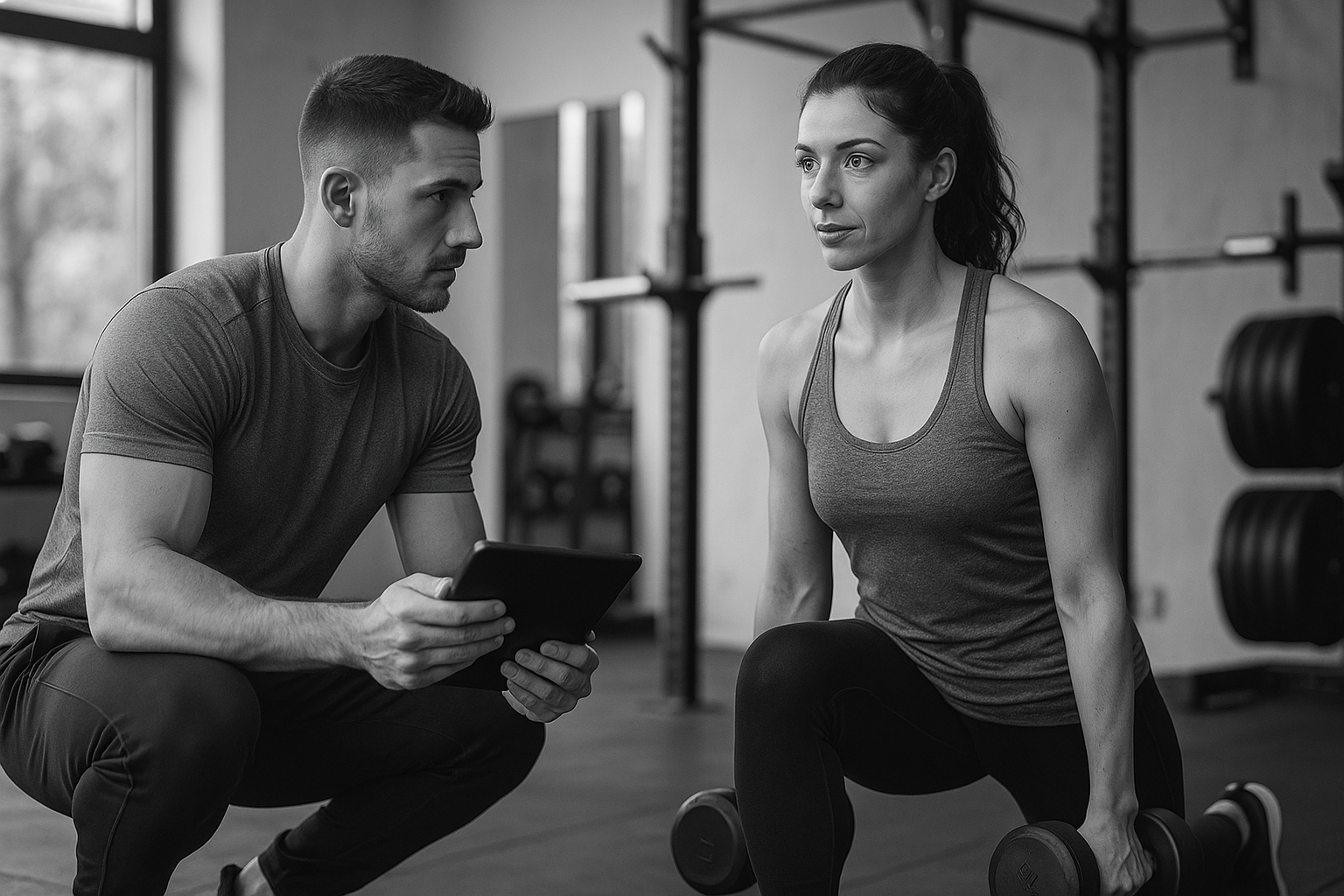
Technique matters. Small form mistakes—especially in strength training—can limit results or increase injury risk over time. A personal trainer provides real-time feedback on posture, alignment, range of motion, and breathing, helping you lift, move, and train with confidence.
Beyond technique, trainers also help you choose the right exercises for your body and progress them safely. That means fewer setbacks and more consistency—an essential ingredient for long-term success.
3. Faster Progress Through Smart Programming
Many people work hard in the gym but stall because their program doesn’t match their goal or doesn’t progress over time. Personal trainers apply structured programming principles such as progressive overload, recovery management, and balanced training splits.
For example, if your goal is strength, your plan should strategically increase load, refine movement patterns, and manage fatigue. If your goal is fat loss, training should support muscle retention and performance while your overall lifestyle supports a calorie deficit. Smart programming saves time and makes your effort count.
4. Accountability That Keeps You Consistent
Motivation comes and goes; consistency is what drives results. A trainer adds a layer of accountability that’s hard to replicate alone. Knowing someone is expecting you—and has a plan ready—can be the difference between skipping another workout and showing up.
Accountability also includes tracking progress. When you can see improvements in strength, endurance, measurements, mobility, or energy, you’re more likely to stick with your routine even when life gets busy.
5. Confidence and Reduced Gym Intimidation
Walking into a gym can feel intimidating, especially if you’re unsure how to use equipment or worry about doing exercises “wrong.” One of the most underrated personal training benefits is confidence. With a trainer, you learn what to do, why you’re doing it, and how to do it correctly.
Over time, that confidence carries into independent workouts. You’ll understand your routine, know how hard to push, and feel more comfortable navigating the gym environment.
6. Workouts That Fit Your Lifestyle
Fitness should support your life—not complicate it. A skilled personal trainer helps you build a routine that fits your schedule, stress level, and energy. That might mean:
- Short, efficient sessions when you’re busy
- Lower-impact options if your joints need extra care
- Flexible programming that adapts to travel or shift work
- Balanced training that supports sleep and recovery
This approach makes your plan more sustainable, which often leads to better long-term outcomes than extreme “all-or-nothing” routines.
7. Support Through Plateaus and Setbacks
Plateaus are normal. So are weeks where stress is high, sleep is low, and workouts feel harder. A trainer helps you adjust your plan when progress slows—without panic or drastic changes.
That might mean modifying training volume, changing exercise selection, tweaking intensity, or focusing on recovery strategies. Having an expert guide you through these phases can keep you moving forward instead of quitting when things get tough.
8. Education You Can Use for Life
Personal training isn’t just about getting through a session—it’s also about learning. Great trainers teach you the “why” behind your program: how to warm up, how to choose weights, how to progress safely, and how to recognize the difference between productive effort and pain.
That education builds independence. Even if you stop training one-on-one later, you’ll keep the skills and knowledge that make it easier to maintain your results.
Who Can Benefit Most From Personal Training?
Personal training can help almost anyone, but it’s especially valuable if you:
- Are new to exercise and want guidance from day one
- Have a specific goal with a timeline (event prep, strength goal, body recomposition)
- Feel stuck despite regular workouts
- Need help training around an injury or limitation (with appropriate medical clearance)
- Want structured accountability and coaching
It’s also a great option if you simply want to make training more enjoyable and less stressful by having a plan and a professional in your corner.
How to Choose the Right Personal Trainer
The best trainer for you is one who combines expertise with communication and a style that fits your needs. When choosing a trainer, consider:
- Credentials and education: Look for reputable certifications and ongoing learning.
- Experience with your goals: Ask if they’ve helped clients with similar needs.
- Coaching style: Supportive, structured, high-energy, detail-focused—what motivates you?
- Assessment process: A quality trainer evaluates your movement, goals, and training history.
- Progress tracking: Ask how they measure progress beyond the scale.
A quick consultation or trial session can help you see if the fit feels right.
Conclusion
Personal training offers far more than guided workouts—it provides a clear plan, expert coaching, accountability, and education that can change how you approach fitness for years to come. If you want safer training, more consistent progress, and a routine that fits your life, working with a personal trainer can be one of the most effective investments you make in your health.