Introduction
Getting in shape can feel simple in theory—move more, lift weights, eat well, repeat. In reality, most people run into the same obstacles: uncertainty about what to do, inconsistent motivation, plateaus, and nagging aches that make progress feel risky. That’s where personal training can make a huge difference.
Personal training isn’t just for athletes or people who already love the gym. It’s a practical, supportive way to build a plan you can stick to, learn proper technique, and make steady progress toward goals that matter to you—whether that’s fat loss, strength, better posture, improved energy, or confidence in your body.
Personal training benefits
1) Customized workouts for your goals
One of the biggest personal training benefits is having a plan designed specifically for you. Generic programs can work, but they often miss key details—your starting point, time constraints, training history, injuries, and preferences. A personal trainer tailors everything to your goals and lifestyle so you’re not guessing what to do next.
Your trainer can create a clear roadmap that answers questions like:
- Which exercises will deliver the best results for your goal?
- How many days per week should you train?
- How should sets, reps, and rest periods change over time?
- What should you do on busy weeks or when motivation is low?
Instead of hopping from workout to workout, you follow a progressive plan that builds momentum.
2) Better technique and reduced injury risk
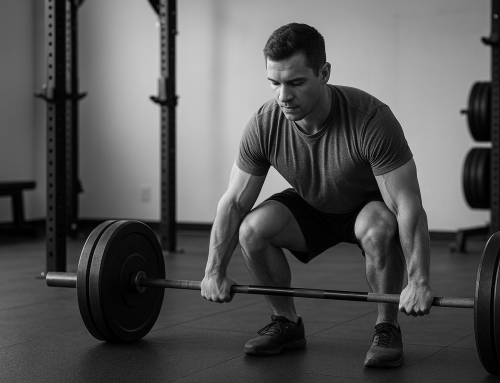
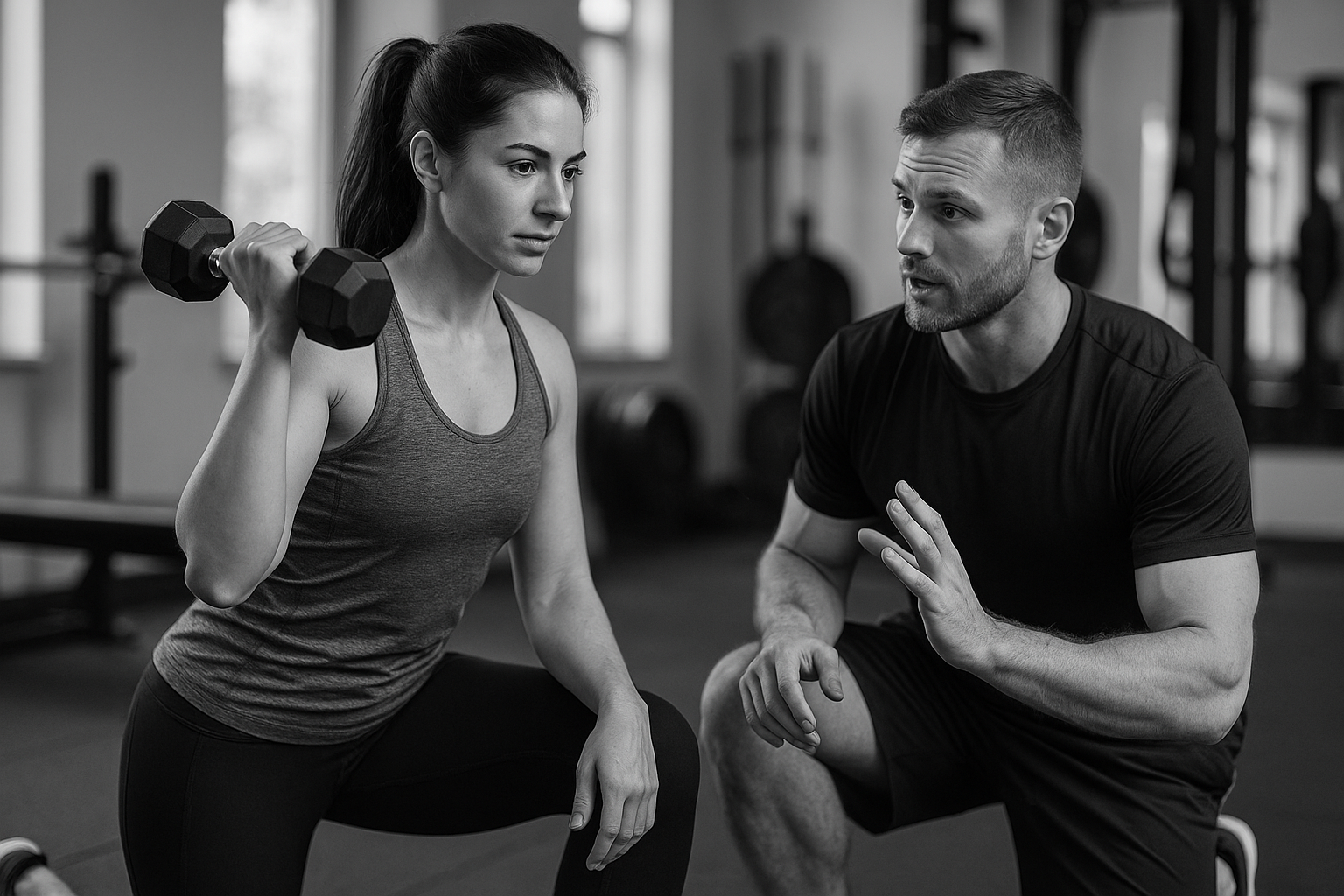
Form matters. Small mistakes—like an unstable squat, poor bracing, or using the wrong range of motion—can limit results and increase the chance of pain or injury. A qualified trainer coaches technique in real time, offering cues and corrections you can’t easily get from a video.
This is especially valuable for:
- Beginners learning foundational movement patterns
- People returning after an injury or long break
- Anyone starting strength training or increasing weight
Over time, good coaching helps you move more efficiently, lift more safely, and feel more confident both in and out of the gym.
3) Faster progress with smart programming
Progress is rarely about “going harder” every session. It’s about training smart—balancing intensity, recovery, and progression. Trainers use structured programming to help you improve steadily without burning out.
That can include:
- Progressive overload (gradually increasing challenge over time)
- Exercise selection that matches your body and goal
- Deloads and recovery planning to avoid overtraining
- Tracking of performance markers (weights, reps, rest, pace)
With the right plan, you spend less time stalled and more time seeing measurable improvements.
4) Accountability and consistency
Even the best plan doesn’t work if it isn’t done consistently. Personal training creates built-in accountability—appointments are scheduled, progress is monitored, and someone expects you to show up.
That structure helps many people:
- Stay consistent during stressful periods
- Follow through when motivation dips
- Keep workouts from becoming optional
A trainer also helps you set realistic expectations, so you don’t quit when results take time. Consistency is often the true secret—and coaching makes it easier to maintain.
5) Motivation and confidence
Personal training can be a major confidence booster. When you learn what to do, why you’re doing it, and you see progress in real numbers, the gym becomes less intimidating. Your trainer provides encouragement, but also practical feedback that builds competence—one of the strongest forms of motivation.
Many clients notice they start to:
- Feel more comfortable using free weights and machines
- Push themselves appropriately (without overdoing it)
- Stop second-guessing every workout decision
- Believe they can reach goals that used to feel out of reach
That confidence often spills into other areas of life, from posture and energy to stress management and self-image.
6) Support for nutrition and lifestyle habits
Workouts are only part of the results equation. Many trainers support clients with foundational nutrition and lifestyle habits—like protein intake, hydration, sleep routines, daily movement, and stress reduction. Even small changes in these areas can significantly improve training performance and body composition results.
Depending on their qualifications and scope, a trainer may help you:
- Set realistic calorie or macro targets (or refer you to a dietitian for medical nutrition needs)
- Create a simple meal structure you can follow
- Plan for weekends, travel, or busy schedules
- Improve recovery with better sleep and mobility habits
The goal is sustainability—habits you can keep long after the coaching plan ends.
7) Training that adapts to your body and your schedule
Life changes week to week. A major personal training benefit is flexibility: your trainer adjusts the plan when your schedule is tight, your stress is high, or your body needs a lighter approach. Instead of feeling like you “failed” a program, you learn how to modify intelligently and keep moving forward.
This might look like:
- Shorter, more efficient sessions when time is limited
- Low-impact options during joint flare-ups
- Home workouts when travel disrupts routines
- Progressions and regressions that match how you feel that day
That adaptability keeps you consistent over the long term—where the real results happen.
8) Goal setting and measurable results
Vague goals like “get toned” or “lose weight” can be discouraging because it’s hard to measure progress. Trainers help you set specific targets and track meaningful metrics beyond the scale—such as strength gains, body measurements, improved mobility, faster cardio intervals, or better workout recovery.
Clear benchmarks make it easier to celebrate wins and stay motivated. Even when progress is slower than expected, tracking provides data to guide the next adjustment instead of relying on guesswork.
9) A smarter approach for beginners and advanced trainees alike
Beginners benefit from learning proper foundations quickly. But personal training isn’t only for new gym-goers. More experienced trainees often use coaching to break plateaus, refine technique, and build a higher-level plan that matches their goals—like building strength, training for an event, or improving athletic performance.
Whether you’re starting from scratch or you’ve trained for years, the right coach can add clarity, structure, and strategy.
How to choose the right personal trainer
Not all coaching is the same, so it’s worth finding someone who matches your needs and communication style. Here are a few quick tips:
- Check credentials and experience: Look for reputable certifications and a track record with goals similar to yours.
- Ask about assessment and planning: A good trainer should evaluate movement, discuss goals, and explain the plan.
- Prioritize coaching skills: You want someone who can teach, cue, and adapt—not just count reps.
- Choose a supportive fit: The best trainer is one you trust and feel comfortable learning from.
Conclusion
Personal training benefits go far beyond having someone tell you what to do. With customized programming, expert technique coaching, accountability, and lifestyle support, personal training can help you make safer, faster, and more sustainable progress. If you’re ready to stop guessing and start building consistent momentum, working with a personal trainer can be one of the most effective investments you make in your health.