Introduction
Whether you train clients in a commercial gym, a small studio, or in their homes, having the right equipment makes sessions safer, more effective, and more engaging. This guide covers personal training equipment across categories—from core strength tools to recovery aids—so you can build a well-rounded kit that fits your clients’ needs and your budget.
Core Strength and Resistance
Free Weights
Free weights are the foundation of most strength programs. Essential items include:
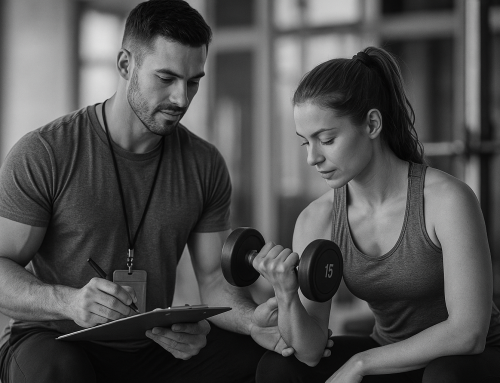
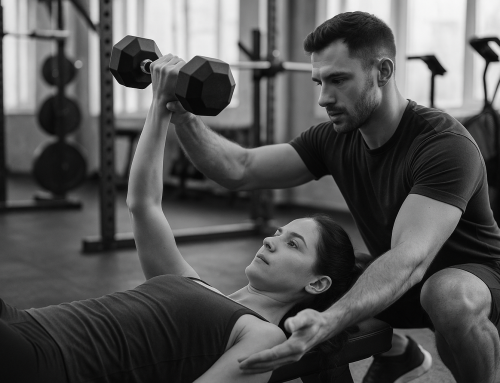
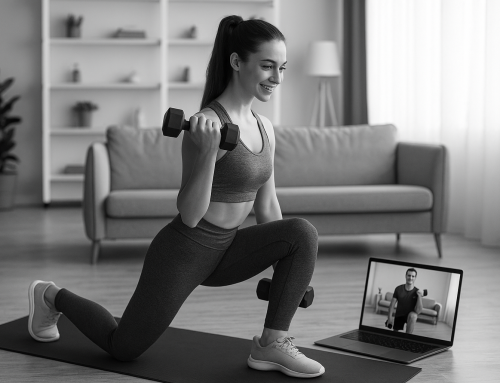
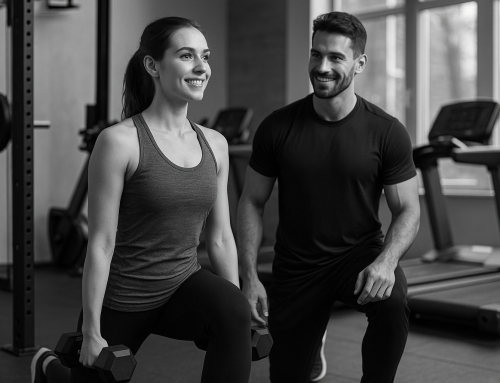
- Dumbbells: Adjustable or fixed-season sets for progressive loading and unilateral work.
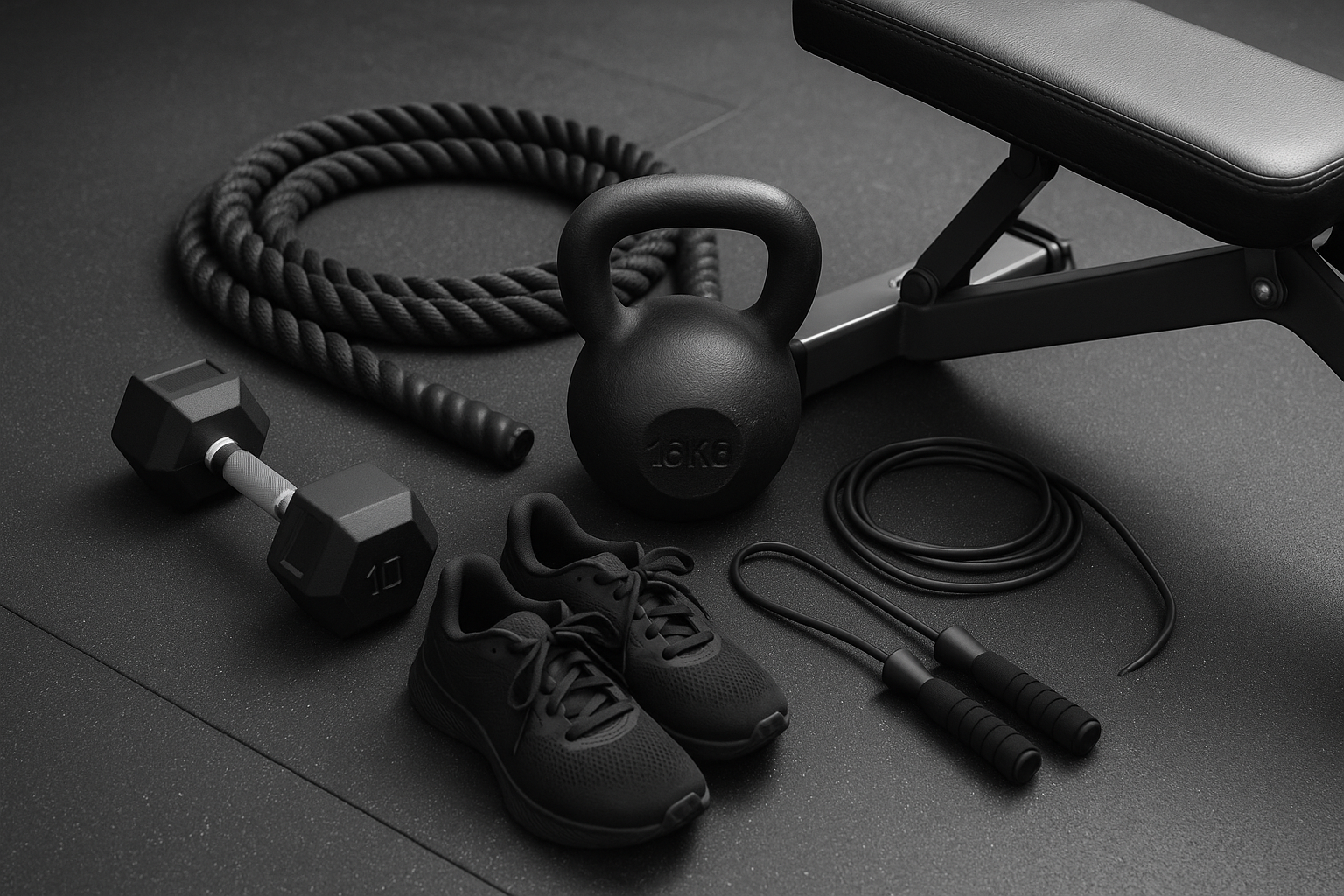
- Kettlebells: Great for swings, Turkish get-ups, and dynamic conditioning.
- Barbells and Plates: Olympic bars, squat racks, and bumper plates for heavy lifts and barbell complexes.
Resistance Machines and Cables
Cable stations and selectorized machines provide controlled resistance and useful variations for clients who need stability or isolation work. A functional cable machine allows for multiplanar movement that complements free-weight lifts.
Functional and Mobility Tools
Suspension Trainers and Bands
Suspension trainers (like TRX) and resistance bands are portable, inexpensive, and versatile. They support bodyweight progressions, mobility drills, and activation work for clients of all levels.
Medicine Balls, Sandbags, and Plyo Equipment
Medicine balls and slam balls are ideal for power development and rotational work. Sandbags add unstable load for real-world strength. Plyometric boxes and agility ladders build explosiveness and coordination.
Stability and Balance Tools
Stability balls, BOSU trainers, and balance pads are useful for core training, rehab progressions, and proprioception work—especially with clients recovering from injury or starting out with low baseline stability.
Cardio and Conditioning Equipment
Machines for Conditioning
Rowing machines, assault bikes, and treadmills cover most conditioning needs. Choose equipment based on available space and the types of conditioning you program: interval sprints, steady-state cardio, or low-impact options for clients with joint issues.
Portable Conditioning Tools
Don’t overlook jump ropes, battle ropes, and sleds. These are cost-effective, space-efficient, and excellent for high-intensity intervals and sport-specific conditioning.
Recovery, Mobility, and Injury Prevention
Rolling and Massage Tools
Foam rollers, lacrosse balls, and percussion massagers should be standard in any trainer’s kit. They help clients manage soreness, improve tissue quality, and support recovery between sessions.
Stretching and Mobility Aids
Yoga straps, mobility bands, and small props (wedges, blocks) assist in guided stretching and joint mobility work—valuable for older clients or those with limited range of motion.
Accessories and Small Items
Small items often make the biggest difference in daily training:
- Weight belts, wrist wraps, and knee sleeves for client support during heavy lifts.
- Clips and collars for barbells, and floor mats to protect equipment and floors.
- Chalk or liquid grip, towels, sanitizing wipes, and a reliable timer or interval app.
- Heart-rate monitors and basic fitness testing tools to track progress objectively.
Programming, Client Needs, and Safety
Choose equipment to match client goals and limitations. For instance, an older adult may rely more on bands, light dumbbells, and balance tools, while an athlete needs heavier free weights, plyo equipment, and sleds. Always prioritize safety: teach proper technique, use collars on bars, maintain clear walkways, and perform equipment checks.
Tracking Progress
Invest in simple tracking tools—software, apps, or a notebook. Recording loads, reps, range of motion, and subjective feedback helps you make informed adjustments and demonstrate client progress.
Budget and Space Considerations
Not every trainer needs a full commercial setup. When space or budget is limited, prioritize versatile items: a set of adjustable dumbbells, a suspension trainer, resistance bands, and a rowing machine or jump rope can cover most programming needs. For studios, focus on durable commercial-grade gear and a layout that supports flow and safety.
Maintenance and Hygiene
Clean and well-maintained equipment increases longevity and client confidence. Establish a routine for checking cables, tightening bolts, and sanitizing surfaces. Keep replacement parts on hand for frequently used items like straps or clips.
Conclusion
Building an effective personal training kit is about balancing versatility, durability, and client needs. Start with core strength tools, add functional and conditioning gear, and round out the setup with recovery and accessory items. Thoughtful selection and proper maintenance will help you deliver safer, more productive sessions and grow your training business.