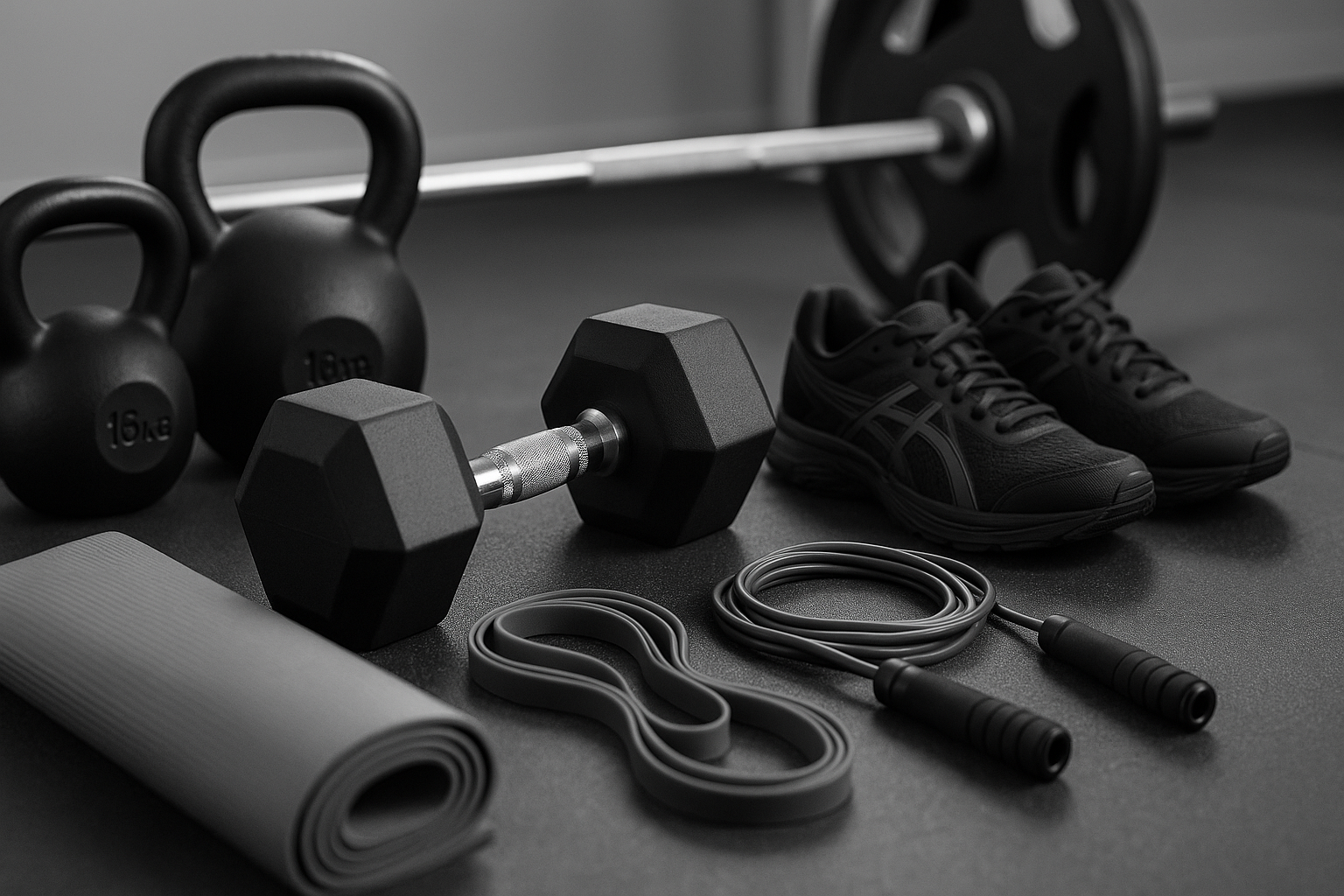
Why Personal Training Equipment Matters
Personal training equipment isn’t just “extra gear”—it’s what turns good intentions into consistent progress. The right tools make workouts more effective by adding resistance, improving technique, and supporting safer movement patterns. They also help you train more efficiently: instead of improvising, you can move smoothly from one exercise to the next with a clear plan.
Whether you’re training clients or building your own routine at home, investing in a few versatile items can dramatically expand the variety of workouts you can do—strength, mobility, conditioning, and recovery—without needing a full gym.
Core Categories of Personal Training Equipment
Most personal training equipment fits into a handful of categories. Understanding them makes it easier to shop strategically and avoid buying duplicates that don’t add real value.
Strength Training Essentials
Strength tools are the backbone of most programs. They help you progressively overload muscles, build joint resilience, and improve overall performance.
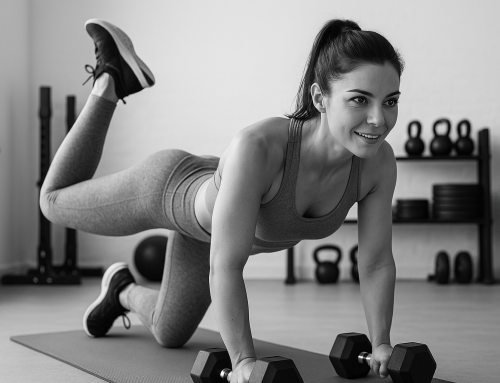
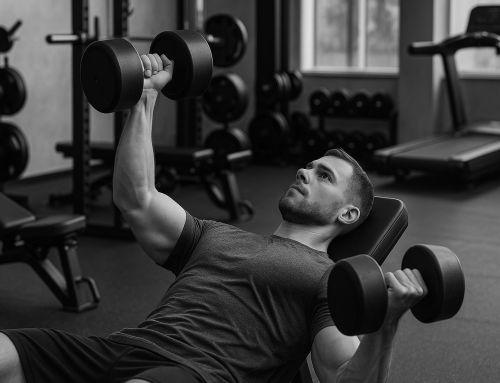
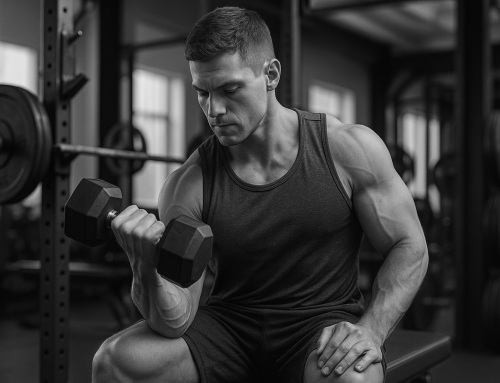
- Dumbbells: Great for unilateral work (one side at a time), small-space training, and scalable progress. Adjustable dumbbells are ideal if you want variety without clutter.
- Kettlebells: Excellent for hinges, swings, carries, and full-body conditioning. One or two well-chosen weights can cover many workouts.
- Resistance bands: Inexpensive, portable, and perfect for warm-ups, accessory work, and rehab-style movements. Mini bands support glute activation; long loop bands add resistance to presses and rows.
- Suspension trainers: Use bodyweight and angles to scale difficulty. They’re especially useful for rows, presses, core work, and controlled strength building.
Conditioning and Cardio Tools
Conditioning equipment helps improve heart health, work capacity, and athletic performance. You don’t need large machines to get effective cardio—many small tools deliver a big training effect.
- Jump rope: A compact, budget-friendly cardio tool that builds coordination and lower-leg endurance.
- Medicine ball: Useful for throws, slams, rotational training, and power development. Choose a durable option if you’ll use it on hard surfaces.
- Agility ladder or cones: Helpful for footwork drills, sports conditioning, and fun warm-up circuits.
- Weighted sled (optional): If you have space, sled pushes/pulls are joint-friendly conditioning and strength work with a low learning curve.
Mobility and Recovery Gear
Mobility and recovery tools support better movement quality, reduce stiffness, and help you bounce back between sessions. While they don’t replace good programming, they can make warm-ups and cooldowns more effective.
- Foam roller: Great for general soft-tissue work and improving body awareness.
- Massage ball/lacrosse ball: Targets smaller areas like glutes, feet, and upper back.
- Stretch strap: Supports controlled flexibility work, especially hamstrings and shoulders.
- Yoga mat: Adds comfort for floor-based training, mobility, and core exercises.
Fitness Tracking and Support Accessories
Accessories can improve comfort, consistency, and data tracking. These aren’t always “must-haves,” but they can make training smoother and more sustainable.
- Timer or interval app: Keeps sessions structured and helps manage rest periods.
- Heart rate monitor or smartwatch: Useful for tracking intensity, recovery, and cardio zones.
- Training log: A notebook or app to track sets, reps, loads, and how you feel.
- Belts, straps, or grips (as needed): Helpful for heavier lifting or when grip becomes the limiting factor.
How to Choose the Right Equipment for Your Goals
The “best” personal training equipment depends on your goals, training style, and space. A smart setup is one you’ll actually use consistently.
For Strength and Muscle Building
Prioritize tools that let you add load over time. Adjustable dumbbells, a few resistance bands, and a bench (if you have room) give you a strong foundation. If you enjoy dynamic, full-body training, add one or two kettlebells.
For Weight Loss and General Fitness
Choose equipment that supports frequent, time-efficient workouts: jump rope, bands, a medicine ball, and a suspension trainer can create fast circuits without needing much space. Keep the focus on consistency and progressive challenge.
For Mobility, Rehab, and Longevity
Go for low-impact tools that encourage controlled movement: foam roller, massage ball, stretch strap, mini bands, and light dumbbells. These help build stability and maintain range of motion without feeling intimidating.
For Athletes and Performance
Look for equipment that trains power, speed, and resilience: medicine balls, cones/ladder, kettlebells, and a sled (space permitting). Combine these with foundational strength tools to support durable performance.
Must-Have vs. Nice-to-Have: Building a Starter Kit
If you’re starting from scratch, it’s easy to overspend. A better approach is to build a small kit that covers multiple training styles, then expand once you know what you use most.
Budget-Friendly Starter Kit (Minimal)
- Set of resistance bands (mini + long loop)
- Jump rope
- Yoga mat
- One medium kettlebell or a pair of dumbbells
Well-Rounded Home Setup (Mid-Level)
- Adjustable dumbbells
- Two kettlebells (light/medium)
- Suspension trainer
- Medicine ball
- Foam roller + massage ball
Trainer-Ready Kit (For Coaching Clients)
- Multiple band tensions + handles/anchors
- Selection of kettlebells (light to heavy)
- Medicine balls (different weights)
- Cones/ladder + timer
- Sanitation wipes, spare mats, and organized storage
Safety, Space, and Maintenance Tips
Good equipment lasts longer—and performs better—when you use it safely and store it well.
- Prioritize form over load: Especially with kettlebell swings, overhead work, and plyometrics.
- Match equipment to your space: Measure your workout area and ceiling height before buying tall racks or doing overhead movements.
- Inspect gear regularly: Check bands for small tears, suspension straps for fraying, and handles for cracks.
- Store it smart: A small rack or wall hooks can keep your training area tidy and reduce trip hazards.
- Keep it clean: Wipe down equipment after sessions, especially if multiple people use it.
Conclusion
Personal training equipment doesn’t have to be complicated or expensive. Start with versatile basics that match your goals, add pieces that solve real training needs, and focus on consistent use. With a well-chosen kit, you can build strength, improve conditioning, support mobility, and keep your workouts fresh—whether you train at home, outdoors, or with clients.