
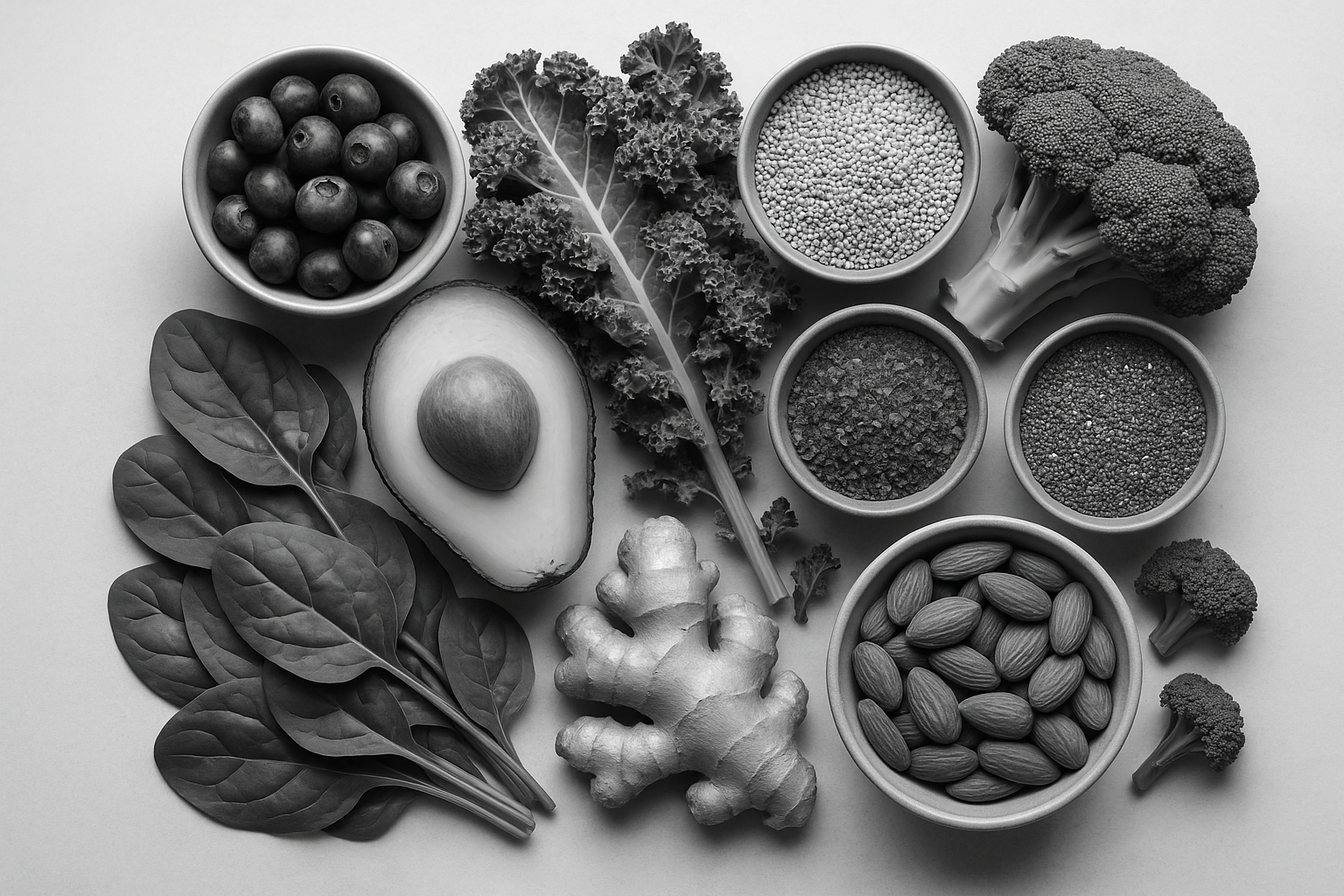
What Are Superfoods?
“Superfoods” is a popular term for foods that pack a lot of nutritional value into relatively few calories. While it’s not a strict scientific category, it’s a useful shorthand for ingredients rich in vitamins, minerals, fiber, antioxidants, and healthy fats—nutrients that support everyday wellness and help you build a balanced, satisfying eating pattern.
The best way to think about superfoods is as nutrient-dense staples that complement an overall healthy diet. They’re not magic, and they won’t “detox” your body overnight. But consistently eating a variety of these foods can support heart health, digestion, stable energy, and immune function—especially when paired with good sleep, hydration, movement, and stress management.
Why Superfoods Matter in a Healthy Diet
A healthy diet is less about perfection and more about patterns. Superfoods can help you strengthen those patterns because they tend to be:
- High in micronutrients (like magnesium, folate, and vitamin C)
- Rich in fiber, which supports digestion and helps you feel full
- Loaded with antioxidants, which help protect cells from oxidative stress
- Versatile, making it easier to build meals you actually enjoy
Another benefit: superfoods often replace “empty calorie” options in a way that still tastes great. Swapping sugary snacks for berries and yogurt, for example, can improve nutrient intake without feeling restrictive.
Top Superfoods to Include
There are many superfoods worth trying, but the most effective approach is to pick a handful you like and can afford, then rotate them through your week. Here are some of the best options to consider.
Leafy Greens (Spinach, Kale, Swiss Chard)
Leafy greens are foundational superfoods. They’re low in calories but rich in vitamins A, C, and K, plus folate, potassium, and plant compounds that support overall health. Their fiber and water content can also help you feel satisfied.
Easy ways to eat them:
- Toss a handful of spinach into smoothies (you’ll barely taste it).
- Sauté kale with olive oil, garlic, and a pinch of salt.
- Add chopped greens to soups, scrambled eggs, and pasta dishes.
Berries (Blueberries, Strawberries, Raspberries)
Berries are famous for their antioxidants (including anthocyanins in blueberries). They also provide fiber and vitamin C, making them a smart choice for heart health and digestion. Because they’re naturally sweet, they’re a helpful upgrade from sugary desserts or snacks.
Easy ways to eat them:
- Stir into oatmeal or plain Greek yogurt.
- Use frozen berries in smoothies or as a quick “thawed” topping.
- Add to salads with nuts and a light vinaigrette.
Fatty Fish (Salmon, Sardines, Mackerel)
Fatty fish is one of the most powerful superfoods for a healthy diet because it’s high in omega-3 fatty acids and quality protein. Omega-3s support heart and brain health, and fish is also a good source of vitamin D and selenium.
Easy ways to eat it:
- Make a simple salmon bowl with brown rice, greens, and lemon.
- Try canned sardines on toast with tomato and herbs.
- Use canned salmon in patties or salad for quick lunches.
Nuts and Seeds (Chia, Flax, Walnuts, Pumpkin Seeds)
Nuts and seeds deliver healthy fats, plant protein, and minerals like magnesium and zinc. Chia and flax also provide soluble fiber, which supports digestion and can help with steady energy throughout the day.
Easy ways to eat them:
- Sprinkle chia or ground flax into yogurt, oatmeal, or smoothies.
- Snack on a small handful of walnuts with fruit.
- Add pumpkin seeds to salads or roasted vegetables for crunch.
Tip: Because nuts and seeds are calorie-dense, a little goes a long way—portioning them can help you get the benefits without overdoing it.
Legumes (Lentils, Chickpeas, Black Beans)
Legumes are an affordable, everyday superfood. They’re high in fiber and plant-based protein, and they contain important minerals like iron and potassium. Their combination of fiber and protein makes them especially satisfying, which can support healthy weight management.
Easy ways to eat them:
- Add lentils to soups, stews, or curry.
- Roast chickpeas for a crunchy snack.
- Use black beans in tacos, grain bowls, and salads.
Whole Grains (Oats, Quinoa, Brown Rice)
Whole grains provide complex carbohydrates for steady energy, plus fiber, B vitamins, and minerals. Unlike refined grains, they help keep you fuller longer and can be a key part of a balanced plate.
Easy ways to eat them:
- Start the day with oatmeal topped with berries and seeds.
- Use quinoa as a base for a protein-packed salad.
- Swap white rice for brown rice a few times a week.
Fermented Foods (Yogurt, Kefir, Sauerkraut, Kimchi)
Fermented foods can support gut health by providing beneficial bacteria (probiotics). A healthy gut is linked to digestion, nutrient absorption, and even immune function. Choose options with minimal added sugar and look for “live and active cultures” where applicable.
Easy ways to eat them:
- Use plain yogurt as a snack with fruit and nuts.
- Add sauerkraut or kimchi to bowls, sandwiches, or eggs.
- Blend kefir into smoothies for a tangy protein boost.
How to Add Superfoods Without Overhauling Your Meals
You don’t need an extreme meal plan to eat more superfoods. Small, consistent upgrades are usually the most sustainable. Try these strategies:
- Build one “superfood habit” at a time (like berries at breakfast or beans at lunch).
- Use frozen and canned options (frozen berries, canned salmon, canned beans) for convenience and budget-friendliness.
- Pair superfoods with foods you already love—add spinach to pasta, chia to smoothies, or yogurt to a favorite snack.
- Plan simple combinations: oats + berries + seeds; greens + salmon; quinoa + chickpeas + veggies.
Most importantly, aim for variety. Rotating your choices helps cover more nutrients and keeps meals interesting.
Conclusion
Superfoods can be a practical, delicious way to improve the overall quality of your diet—especially when you focus on variety and consistency rather than quick fixes. Start with a few nutrient-dense favorites like leafy greens, berries, legumes, and fatty fish, then build meals around them in simple, everyday ways. Over time, these small choices add up to a healthier, more balanced eating pattern.