
Introduction
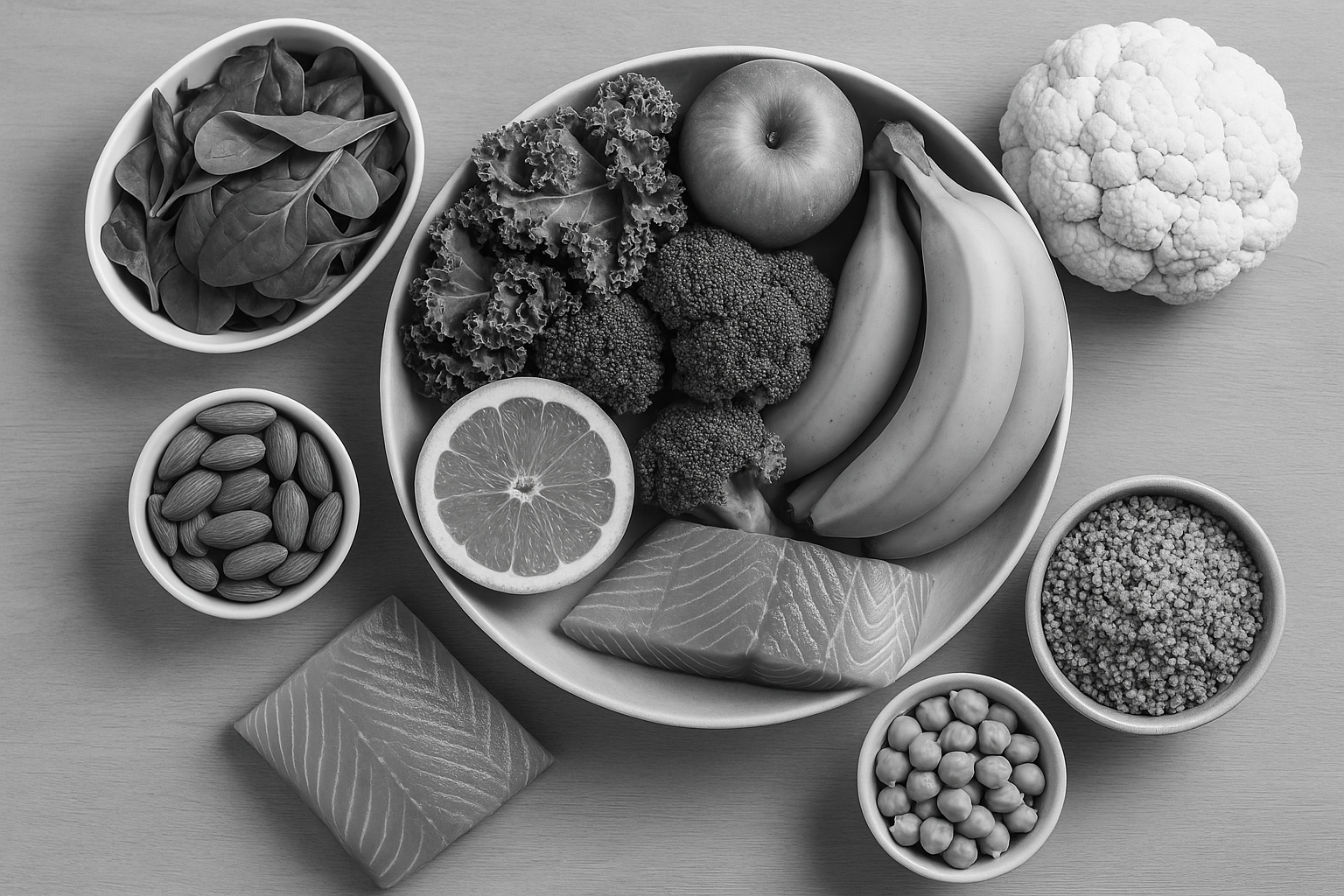
Healthy eating isn’t about strict rules or never enjoying your favorite foods—it’s about giving your body the nutrients it needs to function at its best. When you regularly choose wholesome, nutrient-dense foods (like vegetables, fruits, whole grains, lean proteins, and healthy fats), you support everything from your energy levels to your immune system. Over time, these choices add up to real, noticeable benefits in how you feel day to day and how well your body ages.
Below are some of the most meaningful benefits of healthy eating, along with practical ways to start experiencing them.
1. More Consistent Energy Throughout the Day
Why food quality impacts energy
Your body converts food into fuel. When meals are heavy in refined carbs and added sugars, blood sugar can spike and then drop quickly, leading to fatigue, irritability, and cravings. In contrast, balanced meals—especially those with fiber, protein, and healthy fats—tend to digest more slowly and provide steadier energy.
What to eat for steady energy
- Complex carbs: oats, brown rice, quinoa, sweet potatoes
- Protein: eggs, Greek yogurt, beans, lentils, fish, chicken, tofu
- Healthy fats: olive oil, avocado, nuts, seeds
- Fiber-rich produce: berries, leafy greens, broccoli, apples
A simple example: swapping a sugary pastry breakfast for oatmeal topped with berries and nuts can help you stay focused longer and reduce mid-morning energy crashes.
2. Better Heart Health
How healthy eating supports the cardiovascular system
Heart health is strongly influenced by what you eat over time. Diets rich in fiber, unsaturated fats, and a variety of plant foods are linked to healthier cholesterol levels, improved blood pressure, and reduced inflammation. Meanwhile, frequent intake of highly processed foods (often high in sodium, added sugars, and certain unhealthy fats) can contribute to cardiovascular strain.
Heart-friendly foods to prioritize
- Fatty fish (like salmon or sardines) for omega-3 fats
- Beans and lentils for fiber and plant protein
- Nuts and seeds in sensible portions
- Fruits and vegetables for potassium, antioxidants, and fiber
- Whole grains (like barley and oats) to support healthy cholesterol
Even small adjustments—like cooking more at home and using herbs/spices instead of excess salt—can make a meaningful difference over time.
3. Improved Digestion and Gut Health
The role of fiber and gut bacteria
Your digestive system thrives on fiber. It helps keep bowel movements regular and feeds beneficial gut bacteria that play a role in digestion, immune function, and even mood regulation. Many people feel better quickly when they increase fiber gradually and drink enough water.
Easy ways to support your gut
- Add a serving of vegetables to lunch and dinner
- Choose whole fruit more often than juice
- Include fermented foods like yogurt, kefir, sauerkraut, or kimchi if you enjoy them
- Try “half-and-half” swaps (e.g., half white rice, half brown rice) as you transition
Tip: If you’re increasing fiber, do it gradually and pair it with adequate hydration to avoid discomfort.
4. Stronger Immune System
Nutrition’s connection to immunity
Your immune system relies on a steady supply of vitamins, minerals, protein, and antioxidants. Nutrients like vitamin C, vitamin D, zinc, selenium, and vitamin A help support immune defenses and recovery. Healthy eating won’t prevent every illness, but it can help your body respond more effectively.
Nutrients and foods that help
- Vitamin C: citrus, bell peppers, strawberries, broccoli
- Zinc: beans, nuts, seeds, meat, dairy
- Vitamin A: sweet potatoes, carrots, spinach
- Protein: poultry, fish, eggs, tofu, legumes
A colorful plate is often a good sign you’re getting a broad range of immune-supporting nutrients.
5. Healthier Weight Management (Without Extreme Dieting)
Why healthy eating can feel more sustainable
Healthy eating tends to naturally support weight management because it emphasizes foods that are filling and nutrient-dense. Fiber and protein increase satiety, helping you feel satisfied on fewer calories without feeling deprived. Importantly, healthy eating is also flexible—allowing room for enjoyment makes it easier to maintain long term.
Practical strategies that work
- Build meals around protein + fiber (e.g., chicken salad with beans, tofu stir-fry with vegetables)
- Use the “plate method”: half vegetables, a quarter protein, a quarter whole grains or starchy veggies
- Keep healthy snacks available: fruit, nuts, yogurt, hummus with veggies
Rather than chasing quick fixes, focusing on consistent, balanced meals often leads to more stable results and a better relationship with food.
6. Better Mood, Focus, and Mental Well-Being
How food influences the brain
Your brain needs quality fuel. Nutrients such as omega-3 fats, B vitamins, iron, magnesium, and antioxidants are involved in neurotransmitter function and brain health. While food isn’t a substitute for mental health care, many people notice that stable blood sugar and more nutrient-dense meals support clearer thinking and more even moods.
Foods that support brain health
- Omega-3 sources: salmon, chia seeds, walnuts
- Leafy greens: spinach, kale
- Whole grains: steady glucose supply for the brain
- Hydration: even mild dehydration can affect concentration
If you often feel “foggy,” try starting with a balanced breakfast and a consistent lunch, then evaluate how your energy and focus change over a week.
7. Healthier Skin, Hair, and Aging
Nutrition and appearance from the inside out
Healthy eating supports the building blocks your body uses to repair and renew tissues. Protein helps with structure and repair, healthy fats support skin barrier function, and antioxidants help protect against oxidative stress—one factor associated with visible aging. While skincare matters, nutrition is an important part of the foundation.
Key nutrients for skin and hair
- Protein: supports hair and skin structure
- Vitamin E: nuts, seeds, avocado
- Vitamin C: supports collagen production
- Healthy fats: olive oil, fatty fish, nuts
For many people, improving hydration and adding more produce are the quickest changes that show up in how they look and feel.
Conclusion
The benefits of healthy eating go far beyond a number on the scale. By choosing more whole, nutrient-rich foods most of the time, you can support steady energy, heart health, digestion, immunity, mood, and long-term wellness. Start small—add one extra serving of vegetables, swap in a whole grain, or include protein at breakfast—and build from there. Consistency matters more than perfection.