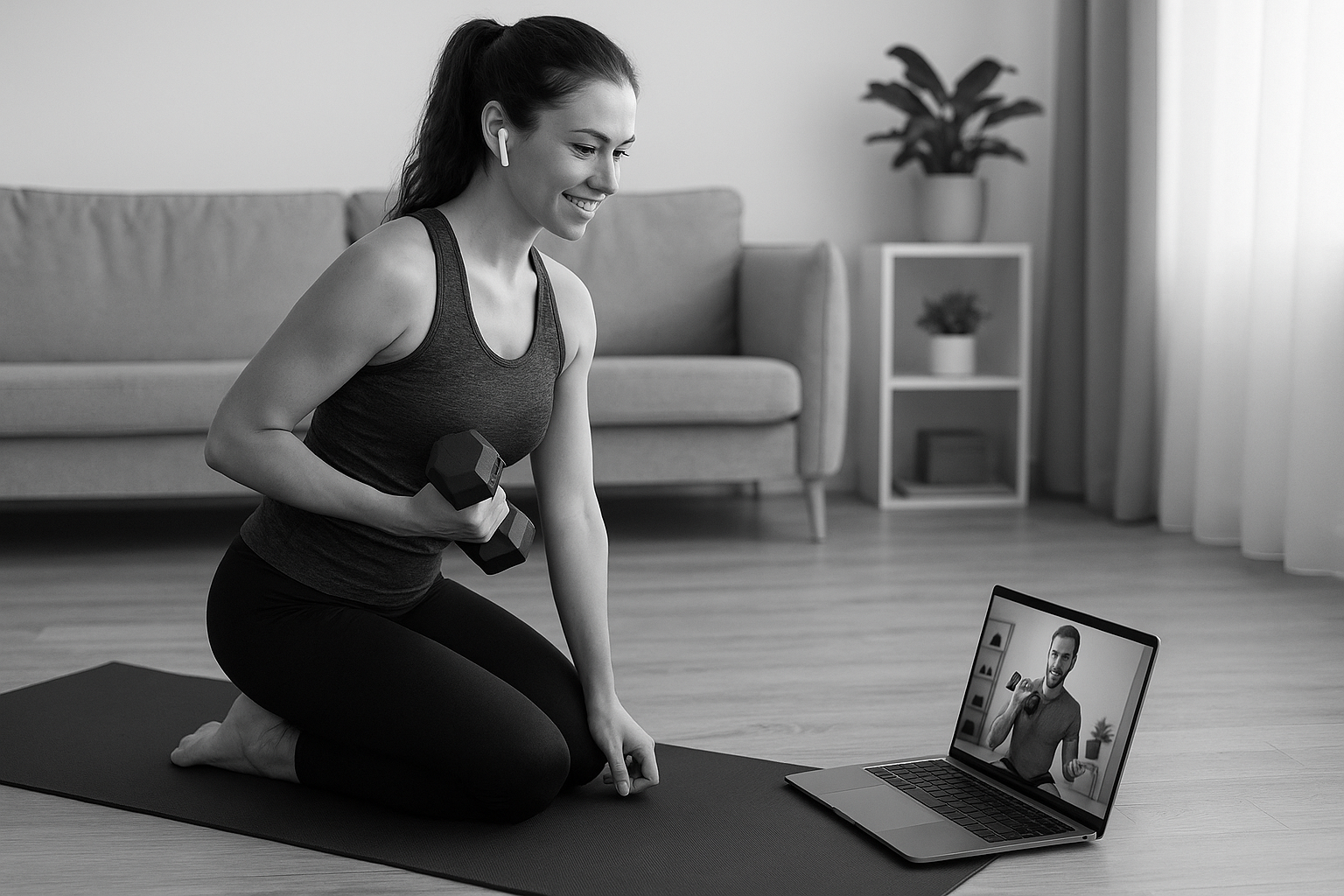
What Is Virtual Personal Training?
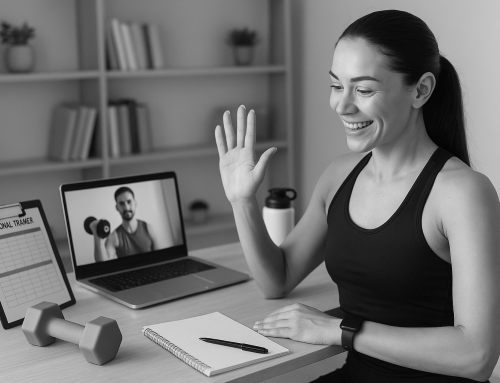
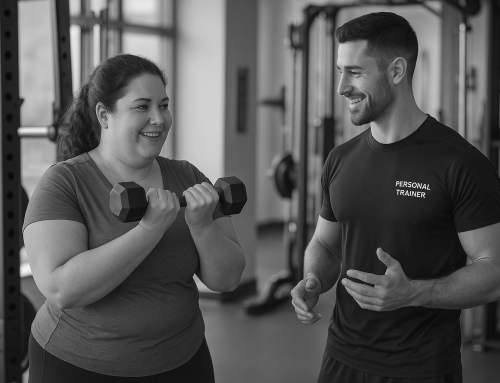
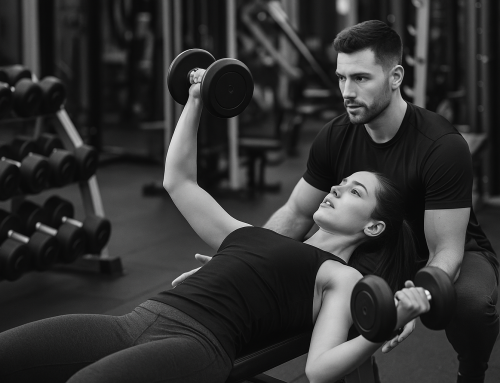
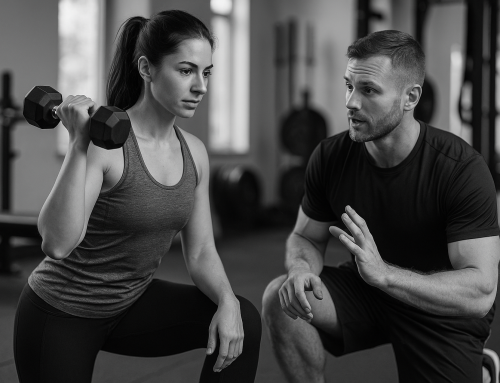
Virtual personal training is professional fitness coaching delivered remotely—typically through video calls, training apps, or a combination of both. Instead of meeting a trainer in a gym, you connect from home, a hotel, your office, or anywhere you can move safely. Sessions may be live (real-time coaching) or asynchronous (your trainer builds your plan and reviews your progress later), and many programs blend both for maximum accountability and flexibility.
At its core, virtual training offers the same fundamentals as in-person coaching: a structured plan, coaching cues, progressive overload, and support. The difference is how it’s delivered—using technology to make expert guidance more accessible and easier to fit into real life.
How Virtual Personal Training Works
While every coach has a unique process, most virtual personal training programs follow a predictable flow: assessment, planning, training, and ongoing feedback. Here’s what you can usually expect.
Initial Assessment and Goal Setting
Your trainer will start by learning about your goals (fat loss, muscle gain, strength, mobility, performance, or general health), schedule, injuries, training history, and available equipment. Many coaches also assess movement patterns and mobility through simple on-camera screens (for example: bodyweight squats, lunges, hip hinges, push-ups, posture checks). From there, you’ll agree on realistic milestones and a plan to get there.
Workout Programming and Scheduling
Based on your assessment, your trainer designs a program that fits your week—typically 2–5 training days plus optional cardio, mobility, and recovery sessions. You’ll also decide how coaching will happen: live video sessions, app-based training with check-ins, or a hybrid.
Most programs include progressive programming (changing reps, sets, tempo, load, or complexity over time) so you continue improving rather than repeating the same workouts indefinitely.
Live Sessions vs. On-Demand Coaching
- Live virtual sessions happen over Zoom, FaceTime, Google Meet, or a built-in platform. Your trainer observes your form, cues you in real time, and adjusts the session on the spot.
- On-demand (asynchronous) coaching typically uses an app where you follow workouts, log sets and reps, and upload videos for technique feedback. Your trainer reviews your data and adjusts the plan during check-ins.
- Hybrid coaching combines both: a live session weekly or biweekly for technique and accountability, plus app-based programming the rest of the time.
Progress Tracking and Accountability
One major advantage of virtual coaching is built-in tracking. Many trainers monitor workout adherence, performance metrics (weights, reps, RPE), body measurements, photos, and lifestyle factors like sleep and daily steps. Accountability can include weekly check-ins, habit targets, messaging support, and progress reviews to keep you moving forward—even when motivation dips.
Benefits of Virtual Personal Training
Virtual personal training has grown quickly because it solves common barriers to consistency. Here are the top benefits clients tend to notice.
Convenience and Flexibility
No commute, no waiting for equipment, and no need to match a gym’s schedule. You can train before work, during lunch, or while traveling. This flexibility often leads to better consistency—arguably the biggest factor in long-term results.
Access to Expert Trainers Anywhere
Your options aren’t limited to the trainers in your neighborhood. You can work with a specialist—strength coach, corrective exercise expert, pre/postnatal trainer, or sports performance coach—regardless of location.
More Affordable Than In-Person Sessions
Virtual coaching often costs less than in-person training because it reduces overhead and allows trainers to offer different service tiers. Many clients find they can afford ongoing support for longer, which can be more effective than short bursts of in-person sessions.
Personalized Programming for Your Lifestyle
Virtual training can be highly customized to your space, equipment, schedule, and preferences. Whether you’re working out in a small apartment, a hotel gym, or a full home setup, the plan can match your reality—making it easier to stick with.
What You Need to Get Started
Getting started is simpler than most people think. A little preparation helps your sessions run smoothly and keeps your training safe.
Equipment (Minimal to Full Home Gym)
You can make progress with very little. Many people start with just bodyweight and a few basics:
- Comfortable shoes and workout clothes
- A yoga mat or non-slip surface
- Resistance bands (mini and long bands)
- Adjustable dumbbells or a kettlebell (optional but helpful)
If you have more equipment—barbell, rack, bench, cable system—your trainer can program accordingly, but it’s not required to begin.
Tech Setup for Smooth Sessions
- A smartphone, tablet, or laptop with a stable internet connection
- A way to prop your device securely (tripod, shelf, or stable surface)
- Enough space for your trainer to see your full body during key movements
- Headphones (optional) to improve audio clarity
Pro tip: do a quick test before your first session—camera angle, lighting, and room layout—to avoid wasting time troubleshooting.
Creating a Safe Workout Space
Clear the area of clutter, check your floor for slipping hazards, and keep water nearby. If you’re using weights, ensure you can set them down safely without damaging floors (rubber mats help). Most importantly, communicate any pain, dizziness, or limitations—your trainer can adjust exercises instantly.
How to Choose the Right Virtual Personal Trainer
The best virtual personal trainer isn’t just knowledgeable—they’re a good fit for your goals, communication style, and needs.
Credentials and Experience to Look For
Look for reputable certifications (for example, NASM, ACE, NSCA, ISSA) and continuing education in areas that match your goals. If you have injuries or medical considerations, ask about experience with similar clients and collaboration with healthcare professionals when appropriate.
Communication Style and Coaching Approach
Some trainers are high-energy and direct; others are calm and methodical. Some focus heavily on technique and strength; others prioritize habits and lifestyle. Choose someone whose coaching style motivates you and makes you feel supported—not pressured or judged.
Reviews, Testimonials, and Trial Sessions
Client testimonials can reveal what it’s actually like to work with a trainer—responsiveness, clarity, and results over time. If possible, book a trial session or consultation to assess rapport, professionalism, and how clearly they explain your next steps.
Common Myths About Virtual Personal Training
If you’re on the fence, it’s often because of a few common misconceptions. Let’s clear them up.
“It’s Not as Effective as In-Person Training”
Effectiveness comes from smart programming, consistency, progressive overload, and quality coaching—none of which require a shared physical location. With proper camera setup and clear cues, trainers can teach technique, adjust workouts, and keep you progressing. For many people, the improved convenience actually increases consistency, leading to better results.
“You Need a Full Gym at Home”
You can build strength, improve mobility, and lose fat with minimal equipment. A skilled trainer can scale exercises using tempo, unilateral work, range of motion, and creative loading (bands, backpacks, dumbbells) to make sessions challenging in small spaces.
“Virtual Training Is Only for Beginners”
Virtual coaching works for all levels—from learning fundamental movement patterns to advanced strength training and sport-specific programming. Experienced lifters often benefit from structured periodization, objective tracking, and form feedback just as much as beginners do.
Conclusion
Virtual personal training makes expert coaching more flexible, accessible, and easy to sustain—without sacrificing personalization or results. Whether you want live sessions for real-time feedback or app-based programming for maximum convenience, the right trainer can help you train smarter, stay consistent, and reach your goals from anywhere.