
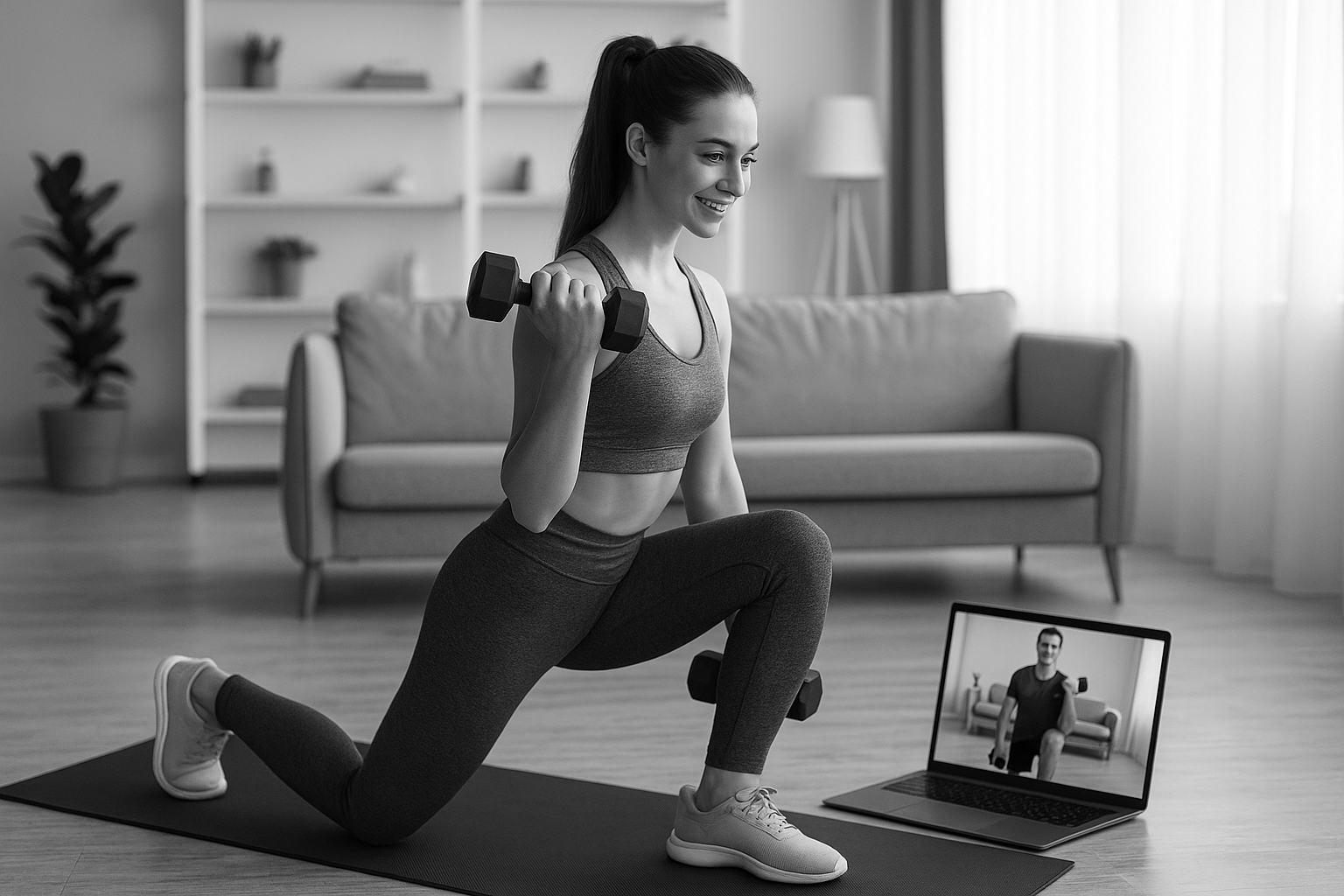
What is Virtual Personal Training?
Virtual personal training delivers one-on-one or small-group fitness coaching over video or through dedicated apps. It combines the expertise of a certified trainer with flexible technology so clients can exercise safely and effectively from home, the gym, or while traveling.
Why Choose Virtual Training?
Convenience and Consistency
Sessions can fit into busy schedules without commute time. That convenience often leads to better consistency, which is the biggest determinant of long-term results.
Personalization and Accountability
Good virtual trainers assess fitness levels, create tailored plans, and offer feedback on form and progress. Regular check-ins and scheduled sessions keep clients accountable the same way in-person training does.
Cost, Variety, and Access
Virtual training often costs less than in-person sessions and gives clients access to specialists who might be outside their local area. You can work with a strength coach, rehab specialist, or sport-specific trainer without geographic limits.
How Virtual Personal Training Works
Initial Assessment
Most trainers start with an intake that covers goals, medical history, current activity levels, equipment availability, and movement screening. This can be done via forms, a video call, or a recorded assessment.
Program Design and Delivery
Trainers create a program tailored to your goals and environment. Delivery methods vary: live video sessions, pre-recorded workouts, or interactive apps that combine programming, video demos, and messaging.
Feedback and Progress Tracking
During live sessions, trainers give real-time cues to improve form. For asynchronous coaching, clients upload videos or log workouts so trainers can analyze technique and adjust plans. Progress is tracked with measurements, performance benchmarks, and habit check-ins.
Who Benefits Most from Virtual Training?
-
Busy professionals who need flexible scheduling.
-
People without local access to specialized coaches.
-
Those who prefer working out at home or at their own gym.
-
Clients seeking ongoing accountability during travel or life transitions.
Choosing the Right Virtual Trainer
Credentials and Experience
Look for certifications from reputable organizations and experience relevant to your goals, such as strength training, post-rehab, weight loss, or sport-specific coaching.
Communication Style and Support
Good trainers communicate clearly and provide feedback in a way that motivates you. Ask about response time, frequency of check-ins, and how they deliver cues during sessions.
Trial Sessions and Pricing
Many trainers offer short, low-cost trial sessions. Use these to assess technology, coaching style, and compatibility. Compare pricing structures: hourly rates, monthly packages, or pay-as-you-go options.
Common Tools and Technology
-
Video platforms: Zoom, FaceTime, Google Meet for live sessions.
-
Coaching apps: Trainerize, TrueCoach, MyFitnessPal for programming and tracking.
-
Recording tools: Phone or webcam to upload exercise clips for form review.
-
Wearables: Heart rate monitors and smartwatches for tracking intensity and recovery.
Tips to Get the Most Out of Virtual Training
-
Set up a dedicated workout space with reliable internet and enough room to move.
-
Communicate openly about injuries, limitations, and your schedule so the trainer can adapt.
-
Record yourself when asked; video feedback accelerates learning and improves form.
-
Prioritize consistency over intensity at the start; build a habit first, then increase load.
-
Use the trainer for behavior change, not just workouts. Nutrition, sleep, and stress management matter.
Common Concerns and How to Address Them
Safety and Injury Risk
Trainers minimize risk by scaling exercises, using careful progressions, and requesting videos for problematic movements. Choose trainers who emphasize technique and client education.
Motivation and Accountability
Combine scheduled live sessions with app-based reminders and progress tracking. Some clients benefit from small-group virtual classes for added peer support.
Conclusion
Virtual personal training is a flexible, effective way to reach fitness goals with expert guidance. By choosing the right trainer, setting up a reliable workout space, and committing to consistent sessions and communication, you can get results equal to—or better than—traditional in-person coaching.