
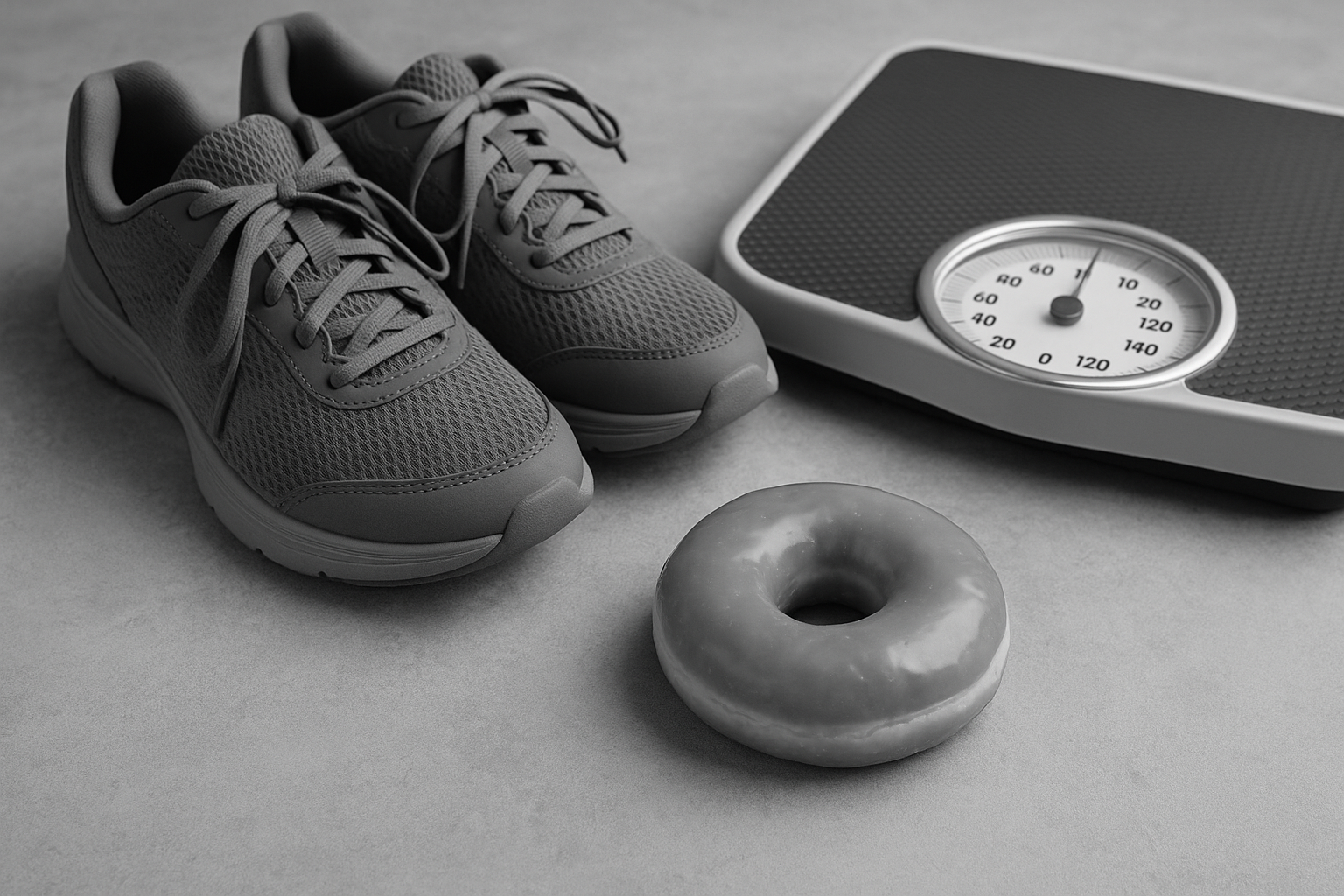
Understanding Common Weight Loss Challenges
Weight loss is often portrayed as a simple equation: eat less, move more. In real life, it can feel far more complicated—because it is. Your body, habits, environment, stress levels, and even sleep patterns all shape your ability to lose weight and keep it off. Recognizing the most common weight loss challenges is the first step toward creating a plan that actually fits your life.
Below are some of the most frequent obstacles people face, along with practical ways to work through them.
Biological factors (metabolism, hormones, genetics)
Your body is not a blank slate. Genetics can influence hunger cues, fat storage patterns, and how your body responds to exercise. Hormones—such as insulin, leptin, ghrelin, thyroid hormones, and cortisol—play a major role in appetite, energy, and how efficiently you burn calories.
As you lose weight, your body may adapt by lowering your metabolic rate and increasing hunger signals. This is sometimes called “metabolic adaptation,” and it helps explain why weight loss can slow over time even when you’re doing “everything right.”
What helps: prioritize protein and fiber at meals to improve fullness, use strength training to preserve or build muscle, and focus on sustainable calorie changes rather than extreme restriction.
Psychological barriers (stress, emotional eating, motivation)
Stress can affect weight loss in multiple ways. High stress often leads to less meal planning, more convenience foods, and more frequent snacking. It can also raise cortisol levels, which may increase cravings and make it harder to stick to routines.
Emotional eating is another common challenge. Food can become a quick way to cope with anxiety, boredom, fatigue, or sadness—especially when healthier coping tools aren’t readily available. Motivation also tends to fluctuate; it’s normal to feel highly motivated at the beginning and then struggle as progress slows.
What helps: identify your triggers (time of day, emotions, situations), build a small “stress toolkit” (walk, journaling, breathing exercises, a phone call), and plan for motivation dips by relying on systems and routines instead of willpower alone.
Lifestyle obstacles (busy schedules, sleep, social events)
Many weight loss efforts fail not because people don’t care, but because life gets busy. Long workdays, commuting, family responsibilities, and irregular schedules can make meal prep and consistent workouts difficult.
Sleep is a major factor too. Poor sleep can increase hunger hormones, reduce impulse control, and make high-calorie foods more appealing. Social events can also derail progress—restaurants, celebrations, and holidays often revolve around large portions and indulgent foods.
What helps: keep “default meals” on hand (quick, healthy staples), aim for a consistent sleep schedule, and use simple strategies at events like eating a balanced snack beforehand, choosing one or two treats intentionally, and prioritizing protein and vegetables when possible.
Why Dieting Often Fails
Many people blame themselves when a diet doesn’t work. But often, the problem is the approach. Diets that are too restrictive, too rigid, or disconnected from your daily reality tend to backfire. Understanding why dieting often fails can help you choose strategies that support long-term success.
All-or-nothing thinking
One of the biggest mindset traps is believing you’re either “on track” or you’ve “ruined everything.” This can turn small slips—like an unplanned dessert—into a full day (or week) of overeating. In reality, consistency matters more than perfection.
Reframe it: one meal doesn’t define your progress. The goal is to return to your usual healthy choices at the next opportunity.
Unrealistic expectations and quick fixes
Rapid weight loss programs can be tempting, but they often rely on severe calorie restriction that’s hard to maintain. When the plan feels miserable, it’s only a matter of time before your body and mind push back with intense cravings, low energy, and burnout.
A more realistic view: steady progress may feel slower, but it’s more sustainable. A pace you can live with is the one most likely to last.
Over-restriction leading to rebound eating
Cutting out entire food groups or eating too little can lead to constant hunger and obsessive thoughts about food. Eventually, this can trigger rebound eating—sometimes called “binging”—where you eat far more than intended because you’ve been under-fueling for too long.
What helps: build meals around satisfying components (protein, fiber-rich carbs, healthy fats), plan room for treats, and avoid overly aggressive calorie cuts.
Practical Strategies to Overcome Weight Loss Challenges
You don’t need a perfect plan—you need a workable one. The best strategy is the one you can repeat on your busiest weeks, not just when everything is going smoothly.
Set realistic goals and track progress beyond the scale
The scale is one tool, but it doesn’t tell the full story. Water retention, hormones, salt intake, and muscle gain can all affect weight day-to-day. If you only measure success by the scale, it’s easy to feel discouraged.
Try tracking: waist or hip measurements, how your clothes fit, strength improvements, daily step counts, energy levels, sleep quality, and consistency with habits (like cooking at home or hitting protein targets).
Build sustainable habits (nutrition, movement, routine)
Sustainability beats intensity. Instead of aiming for a perfect diet, focus on repeatable habits: eating regular meals, getting enough protein, adding vegetables, drinking water, and moving daily.
Simple habit ideas:
- Include a protein source at each meal (chicken, tofu, Greek yogurt, beans, eggs).
- Fill half your plate with vegetables at lunch and dinner.
- Take a 10–20 minute walk after meals a few days per week.
- Strength train 2–3 times weekly to support muscle and metabolism.
Plan for setbacks and create a supportive environment
Setbacks are part of the process. Travel, illness, stressful seasons, and schedule changes happen. Planning for them prevents the “I blew it” mindset.
Environment matters: keep convenient healthy foods visible and accessible, stock high-protein snacks, and reduce friction for good choices (for example, keep walking shoes by the door or prep ingredients in advance).
When to seek professional help
If you’re stuck despite consistent effort, or if food and weight feel all-consuming, professional support can be a game-changer. Consider working with a registered dietitian, a qualified therapist (especially for emotional eating or disordered patterns), or a physician to explore medical factors like thyroid issues, PCOS, insulin resistance, medications, or sleep apnea.
Professional guidance can also help you create a plan that aligns with your health history, preferences, and lifestyle.
Conclusion
Weight loss challenges are common—and they’re not a sign of failure. Biology, stress, sleep, habits, and environment all influence results, and progress is rarely linear. By focusing on sustainable routines, realistic goals, and strategies that fit your real life, you can make weight loss feel more manageable and improve your chances of long-term success.