
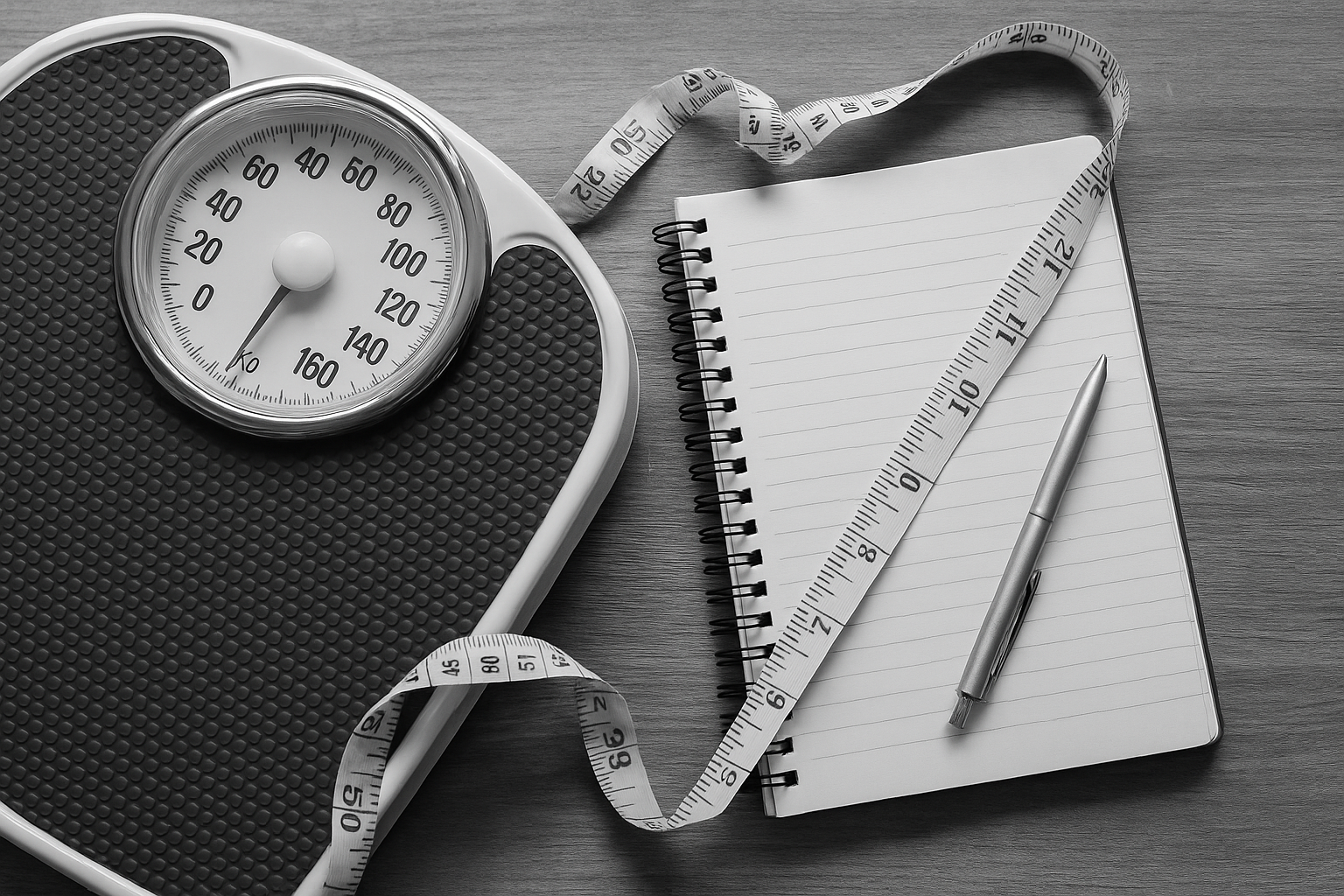
Understanding Weight Loss Goals
Weight loss goals are the specific outcomes you want to achieve—often a target number on the scale, a clothing size, or a health milestone like lower blood pressure. The most effective goals go beyond “lose weight” and define why it matters and how you’ll get there. When your goals are clear and measurable, it becomes easier to stay consistent, track progress, and adjust your plan when life gets busy.
It also helps to remember that weight loss isn’t just about body weight. Your energy, strength, sleep quality, stress levels, and relationship with food all play major roles in long-term success. A strong goal keeps you focused on the bigger picture—better health and sustainable habits—rather than quick fixes.
Why Setting the Right Goals Matters
Goals are motivating, but only if they’re realistic and aligned with your lifestyle. Overly aggressive targets can lead to burnout, frustration, and cycles of extreme dieting followed by regain. On the other hand, well-set goals create momentum: you see progress, feel encouraged, and build confidence that you can keep going.
Good goals also act like a decision-making filter. When you’re choosing between cooking dinner or ordering takeout, going to bed on time or scrolling for another hour, a clear goal helps you pick actions that match what you want most.
Types of Weight Loss Goals
Outcome Goals (The “What”)
Outcome goals focus on the end result, such as “lose 15 pounds” or “reduce my waist measurement by 2 inches.” They’re simple and motivating, but they don’t tell you what to do day-to-day. Think of outcome goals as your destination.
Process Goals (The “How”)
Process goals are the habits that move you toward your outcome goal. Examples include “walk 8,000 steps five days per week,” “eat protein at breakfast,” or “prep lunches on Sundays.” Process goals are powerful because you control them directly, even when the scale fluctuates.
Performance Goals (The “Can I?”)
Performance goals focus on improving fitness or capability, such as “do 10 full push-ups,” “run a 5K,” or “deadlift my bodyweight.” These goals often improve body composition and motivation because you’re measuring progress in strength and endurance—not just pounds.
How to Set Realistic Weight Loss Goals
Use the SMART Goal Framework
SMART goals are:
- Specific: “Lose 10 pounds” instead of “lose weight.”
- Measurable: Trackable via scale, measurements, steps, workouts, or food logs.
- Achievable: Challenging but realistic for your schedule and starting point.
- Relevant: Connected to your health, lifestyle, and personal values.
- Time-bound: Has a clear timeframe, like 8–12 weeks.
Example: “Over the next 10 weeks, I will lose 8–12 pounds by strength training 3x/week, walking 30 minutes 4x/week, and building balanced meals at home at least 5 days/week.”
Choose a Healthy Rate of Loss
For many people, a sustainable rate is about 0.5–1% of body weight per week (often roughly 1–2 pounds weekly, depending on the person). Faster loss can happen early on, especially with changes in water weight, but long-term success usually comes from consistency rather than speed.
If you have medical conditions, take medications that affect weight, or have a history of disordered eating, it’s wise to speak with a healthcare professional before aiming for a specific rate.
Break Big Goals into Milestones
A large goal can feel overwhelming. Break it into smaller checkpoints—like 5-pound increments or monthly habit targets. Milestones provide frequent wins and keep your plan flexible. If progress slows, you can reassess without feeling like you “failed.”
Building Habits That Support Your Goals
Nutrition: Focus on What to Add, Not Just What to Cut
Instead of immediately banning foods, start by adding supportive basics:
- Protein: Helps with fullness and muscle maintenance (chicken, fish, tofu, Greek yogurt, beans).
- Fiber: Supports satiety and digestion (vegetables, berries, oats, lentils).
- Hydration: Water intake can reduce “false hunger” and improve energy.
A practical approach is building meals around a protein source, plenty of colorful produce, and a satisfying carb or healthy fat. This style of eating is easier to maintain than rigid rules.
Movement: Combine Strength and Daily Activity
Exercise helps protect muscle, supports metabolism, and improves mood—all of which make weight loss more sustainable. Aim for a combination of:
- Strength training: 2–4 times per week for major muscle groups.
- Low-intensity activity: Walking, cycling, or swimming for consistency and recovery.
- Daily movement: Steps, standing breaks, and active chores add up.
If you’re short on time, start with a minimum baseline (for example, two 20-minute strength sessions and three 20-minute walks weekly) and build from there.
Sleep and Stress: The Hidden Goal Accelerators
Sleep and stress management aren’t “bonus” habits—they influence hunger, cravings, and energy. Poor sleep can increase appetite and make workouts feel harder. High stress can lead to emotional eating or inconsistent routines.
Two simple goal-friendly actions: set a consistent bedtime window and create a short wind-down routine (dim lights, put your phone away, stretch or read for 10 minutes).
Tracking Progress Beyond the Scale
The scale is one tool, but it doesn’t tell the whole story. Use multiple progress markers to stay motivated:
- Measurements: Waist, hips, and chest can change even when weight stalls.
- Photos: Monthly photos can show body composition changes.
- Performance: More reps, heavier weights, faster walks, better endurance.
- Habits: Workout consistency, home-cooked meals, step averages.
- How you feel: Energy, confidence, sleep quality, fewer cravings.
Weighing frequency is personal. Some people prefer daily weigh-ins to see trends; others do best with weekly checks. Either way, focus on the trend over time—not day-to-day fluctuations.
Common Challenges (and How to Overcome Them)
Plateaus
Plateaus are normal. Before making major changes, check the basics: are portions creeping up, activity dropping, or sleep slipping? Small adjustments often work—like adding 1,500–2,000 steps per day, increasing protein, or tightening weekend routines.
All-or-Nothing Thinking
One off-plan meal doesn’t ruin your progress. The goal is to return to your next supportive choice. A helpful mindset shift is aiming for “mostly consistent” rather than “perfect.”
Motivation Dips
Motivation comes and goes, so plan for it. Keep goals visible, schedule workouts like appointments, and make your process goals easy to start. Even a 10-minute walk keeps the habit alive on tough days.
Conclusion
Weight loss goals work best when they’re realistic, specific, and supported by daily habits you can maintain. Focus on process goals—nutrition, movement, sleep, and stress—while tracking progress in multiple ways. With clear milestones and flexible strategies, you can build steady momentum and reach your goals in a healthier, more sustainable way.