Understanding Weight Loss Supplements
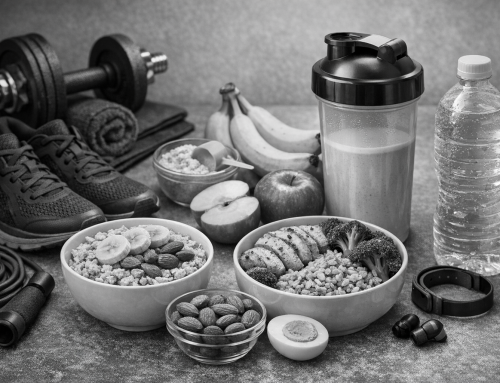
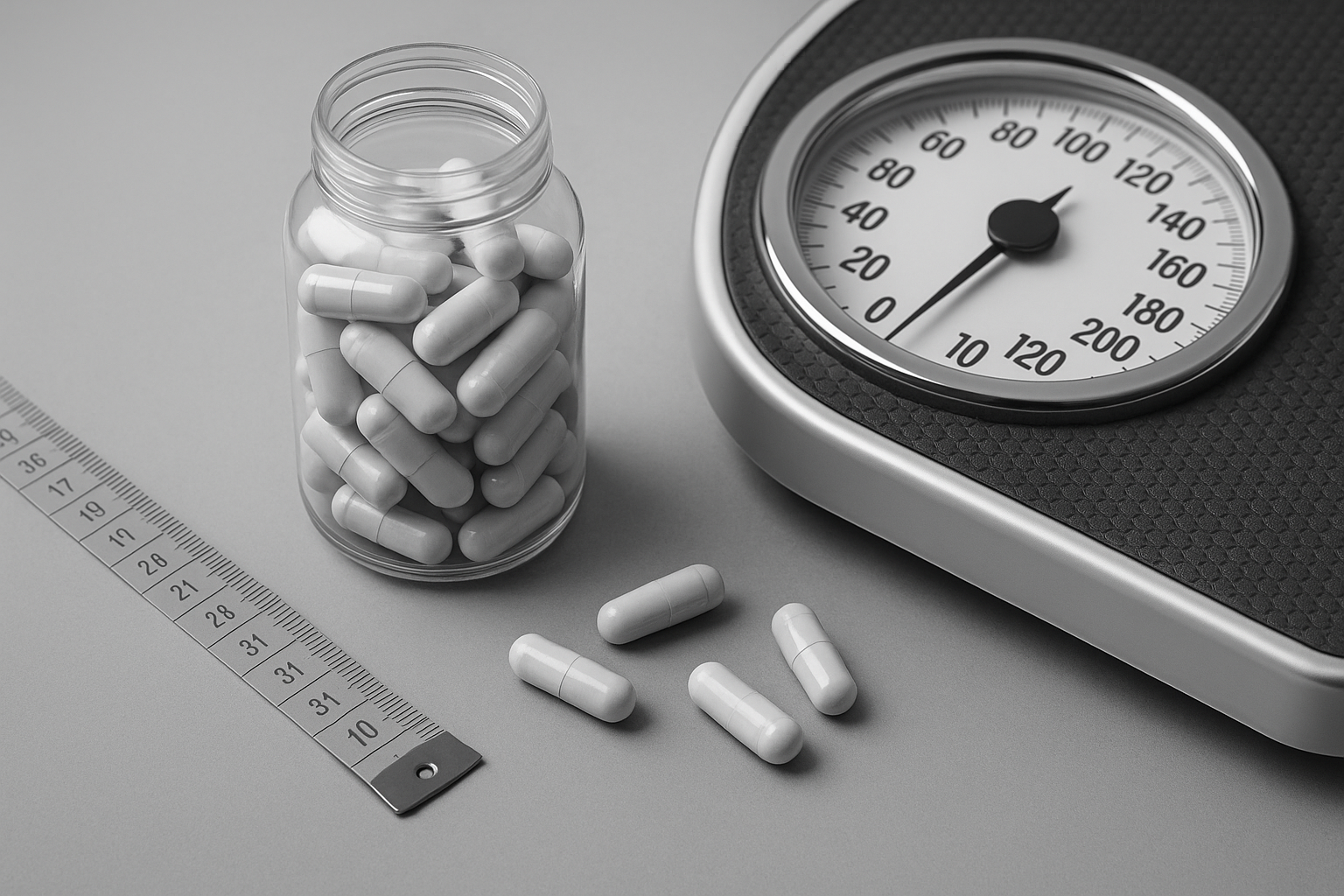
Weight loss supplements are products marketed to support fat loss, appetite control, metabolism, or energy. They come in many forms—capsules, powders, teas, gummies, and drinks—and may contain vitamins, minerals, plant extracts, fibers, or stimulants. While some ingredients have evidence behind them, supplements are not a substitute for a calorie deficit, adequate protein, strength training, and consistent sleep.
It’s also important to know that “natural” does not automatically mean “safe” or “effective.” The impact of a supplement depends on the ingredient, the dose, the quality of the product, and your health history. Think of supplements as potential helpers that may provide a small boost when the fundamentals are already in place.
Do Weight Loss Supplements Really Work?
Some weight loss supplements can produce modest results, but expectations should be realistic. In research, when benefits show up, they’re often measured in small changes over weeks or months—especially compared with the effect of diet quality, total calorie intake, daily movement, and resistance training.
Here’s what “working” typically means in the real world:
- Small, incremental improvements (for example, slightly reduced appetite or slightly increased training energy).
- Support for adherence (helping you stick with a plan you’re already following).
- Not a shortcut—if calories and habits don’t change, results usually won’t either.
Also note: many studies use standardized extracts and clinically relevant doses. Some commercial products under-dose ingredients or include “proprietary blends” that don’t disclose amounts, making it hard to know what you’re really taking.
Common Types of Weight Loss Supplements (and What the Evidence Says)
1) Appetite Suppressants
These aim to reduce hunger, cravings, or overall calorie intake.
- Glucomannan (konjac root fiber): A soluble fiber that expands with water and may increase fullness. It tends to work best when taken before meals with plenty of water.
- Protein powders: Not a “fat burner,” but increasing protein can improve satiety and help preserve lean mass during weight loss. A shake can be a convenient way to hit protein targets.
- 5-HTP, saffron, and other mood-related supplements: Sometimes marketed for cravings, but evidence quality varies, and they may interact with medications.
Best for: People who struggle with portion sizes or snacking. Watch out for: GI side effects (bloating, constipation) with fibers if hydration is low.
2) Thermogenics and “Fat Burners”
Thermogenics typically use stimulants to increase alertness, energy expenditure, or workout intensity.
- Caffeine: One of the most evidence-backed options for short-term performance and mild appetite reduction. Tolerance can develop over time.
- Green tea extract (EGCG) / green tea: May have a modest effect, sometimes enhanced when paired with caffeine. Concentrated extracts have raised liver-safety concerns in rare cases.
- Yohimbine: Can affect fat mobilization in certain contexts but has a higher side-effect risk (anxiety, rapid heart rate) and is not appropriate for many people.
Best for: Those who tolerate stimulants well and want a small boost in training energy. Watch out for: jitters, sleep disruption, increased heart rate, and interactions with medications.
3) Carb and Fat Blockers
These claim to reduce absorption of carbohydrates or fats.
- White kidney bean extract: Marketed as a carb blocker; results are mixed and often modest.
- Chitosan: Promoted as a fat binder; evidence is weak and effects, if any, are small.
Best for: Generally not first-line choices. Watch out for: GI upset and unrealistic expectations—these do not “cancel out” high-calorie meals.
4) Metabolism and Blood Sugar Support
These products focus on glucose control, insulin sensitivity, and metabolic health, which can indirectly support weight management.
- Berberine: Has evidence for supporting blood sugar and lipids; some people report appetite benefits. It can cause GI side effects and may interact with medications.
- Chromium: Often marketed for blood sugar and cravings; effects are typically small.
- Magnesium and vitamin D: Not weight loss supplements per se, but correcting deficiencies may support energy, recovery, and overall health.
Best for: People focusing on metabolic health alongside weight loss. Watch out for: medication interactions and assuming “blood sugar support” automatically equals fat loss.
5) Gut Health and “Detox” Products
Many teas, cleanses, and detox products create quick scale changes through water loss or laxative effects—not true fat loss.
- Probiotics: Certain strains may support digestion and metabolic markers, but effects on weight are inconsistent and strain-specific.
- Laxative teas/senna: Can be unsafe if used regularly and may cause dependence or electrolyte issues.
Best for: Probiotics may help some people with gut symptoms; detox products are generally not recommended. Watch out for: dehydration, cramping, and misleading “before/after” claims.
How to Choose a Safe and Effective Supplement
If you decide to try a supplement, use a checklist approach to reduce risk and increase your odds of getting value:
- Start with your goal: appetite control, workout energy, protein intake, or metabolic support. Don’t buy a “kitchen sink” formula that tries to do everything.
- Look for transparent labeling: Avoid proprietary blends that don’t list exact doses.
- Choose third-party tested products: Look for reputable quality programs (for example, NSF Certified for Sport, Informed Choice, or USP where applicable).
- Prefer single-ingredient trials: Add one product at a time so you can judge effect and side effects.
- Assess tolerability and timing: Stimulants late in the day can wreck sleep, which can undermine fat loss.
- Set a decision deadline: If you don’t see a meaningful benefit in 4–8 weeks (and adherence is solid), stop and reassess.
Potential Side Effects, Risks, and Who Should Avoid Them
Even common supplements can cause problems depending on dose, sensitivity, or health conditions. Consider extra caution if you are pregnant, breastfeeding, under 18, managing a chronic condition, or taking prescription medications.
- Stimulants: May increase anxiety, blood pressure, heart rate, and insomnia.
- High-dose extracts: Concentrated botanical extracts can be harder on the liver or cause unexpected side effects.
- GI issues: Fibers, sugar alcohols, and some herbs can trigger bloating, gas, cramping, or diarrhea.
- Drug interactions: Ingredients like berberine, 5-HTP, and others may interact with blood sugar medications, antidepressants, and more.
Tip: If you have a medical condition or take medications, check with a healthcare professional or pharmacist before starting a weight loss supplement.
How to Use Supplements to Support a Real Weight Loss Plan
The most effective way to use supplements is to pair them with habits that drive results:
- Prioritize protein and fiber: These are “natural appetite suppressants” that also support muscle retention.
- Strength train 2–4x per week: Helps preserve lean mass and improves body composition.
- Track what matters: Use weekly weight averages, waist measurements, and progress photos—daily scale fluctuations can be misleading.
- Protect sleep: Poor sleep increases hunger and cravings for many people. Avoid stimulant supplements too late in the day.
- Keep expectations grounded: A supplement that improves adherence by 5–10% can be valuable; one that promises “rapid fat melt” is usually hype.
Conclusion
Weight loss supplements can offer modest support—especially for appetite control, protein intake, or workout energy—but they’re not magic. The best results come from choosing well-studied ingredients, using safe doses, and combining them with consistent nutrition, training, and sleep habits. If you’re unsure what fits your situation, a healthcare professional can help you choose options that align with your goals and medical history.