Introduction
Losing weight can feel overwhelming because there’s no shortage of advice—and a lot of it is contradictory. The most effective approach is rarely extreme. It’s a set of practical habits you can stick with long enough to see results, while still living your life. Below are evidence-informed, sustainable weight loss tips focused on nutrition, movement, sleep, and mindset.
1) Set Realistic, Measurable Goals
Focus on behavior-based goals
Scale goals are common, but the behaviors that drive weight loss are what you can control day to day. Instead of only aiming for “lose 15 pounds,” set goals like:
- Eat a protein-rich breakfast 5 days per week
- Walk 8,000 steps daily
- Cook dinner at home 4 nights per week
These targets are specific, measurable, and easier to track—plus they build momentum.
Aim for a steady, sustainable pace
Many people do best with gradual loss (often around 0.5–1% of body weight per week). Faster approaches can work short-term, but they’re harder to maintain and may increase hunger, fatigue, and rebound weight gain. Think in months, not days.
2) Build a Nutrition Plan You Can Maintain
Prioritize protein and fiber
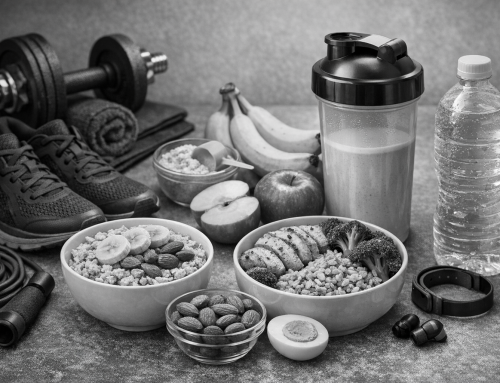
Protein and fiber are a powerful combination for fullness. Protein helps preserve lean muscle during weight loss, and fiber slows digestion and supports stable energy. Practical ways to increase both:
- Protein: eggs, Greek yogurt, cottage cheese, chicken, fish, tofu, tempeh, beans, lentils
- Fiber: vegetables, berries, apples, oats, chia/flax, beans, whole grains
A simple guideline: include a quality protein + a high-fiber plant food at most meals.
Use the “plate method” for easy portion control
You don’t have to count every calorie to make progress. The plate method helps you balance portions without feeling restricted:
- ½ plate: non-starchy vegetables (salad, broccoli, peppers, zucchini)
- ¼ plate: lean protein (fish, chicken, tofu, beans)
- ¼ plate: smart carbs (rice, potatoes, quinoa, whole grains) or additional vegetables
- Add healthy fats in measured amounts (olive oil, avocado, nuts)
This approach naturally reduces calorie density while keeping meals satisfying.
Cut liquid calories and ultra-processed snacks first
If you’re not sure where to start, focus on the easiest “high-impact” swaps. Sugary drinks, specialty coffees, alcohol, and ultra-processed snack foods can add hundreds of calories without keeping you full. Try:
- Swap soda/juice for sparkling water or zero-sugar options
- Choose protein-forward snacks (Greek yogurt, jerky, edamame)
- Portion treats intentionally instead of eating from the bag
Plan for flexibility—not perfection
All-or-nothing thinking is a common reason diets fail. Build in foods you enjoy so your plan is livable. A helpful approach is the “80/20” idea: most choices support your goal, and some are simply for enjoyment—guilt-free and intentional.
3) Move More (Without Burning Out)
Walk daily to increase your calorie burn
Walking is underrated for weight loss because it’s accessible, low-stress, and easy to recover from. If you’re currently sedentary, a small increase—like a 10–20 minute walk after meals—can make a meaningful difference over time.
Add strength training to protect muscle
When you lose weight, you want most of it to come from fat—not muscle. Strength training supports muscle retention, improves body composition, and can help you look “leaner” at the same weight. Aim for 2–4 sessions per week and focus on basic movement patterns:
- Squat or leg press
- Hip hinge (deadlift pattern)
- Push (push-ups, bench press)
- Pull (rows, lat pulldown)
- Core stability (planks, carries)
Start light, prioritize good form, and progress gradually.
Use “minimum effective dose” workouts
If time is tight, consistency matters more than perfection. Even 20–30 minutes, a few times per week, can move the needle when paired with solid nutrition. You can always scale up later.
4) Master the Habits That Drive Fat Loss
Sleep 7–9 hours to reduce cravings and stress eating
Poor sleep can increase hunger, cravings, and decision fatigue—making it much harder to stick with your plan. Improve sleep by keeping a consistent bedtime, reducing late-night screen time, and limiting caffeine later in the day.
Manage stress before it manages you
Stress can push people toward convenience foods, larger portions, and late-night snacking. Consider stress-reducing habits that fit your lifestyle:
- Short daily walks outside
- 5-minute breathing or meditation breaks
- Journaling or planning your next day
- Strength training or gentle yoga
The goal isn’t “no stress”—it’s having better tools when stress hits.
Make the environment do the work
Willpower is limited. Set up your environment to make healthier choices easier:
- Keep protein and produce visible and ready (pre-washed greens, cooked chicken, yogurt)
- Use smaller bowls/plates for calorie-dense foods
- Pre-portion snacks instead of eating from large containers
- Plan “default meals” you can repeat on busy weeks
5) Track Progress the Smart Way
Use multiple metrics, not just the scale
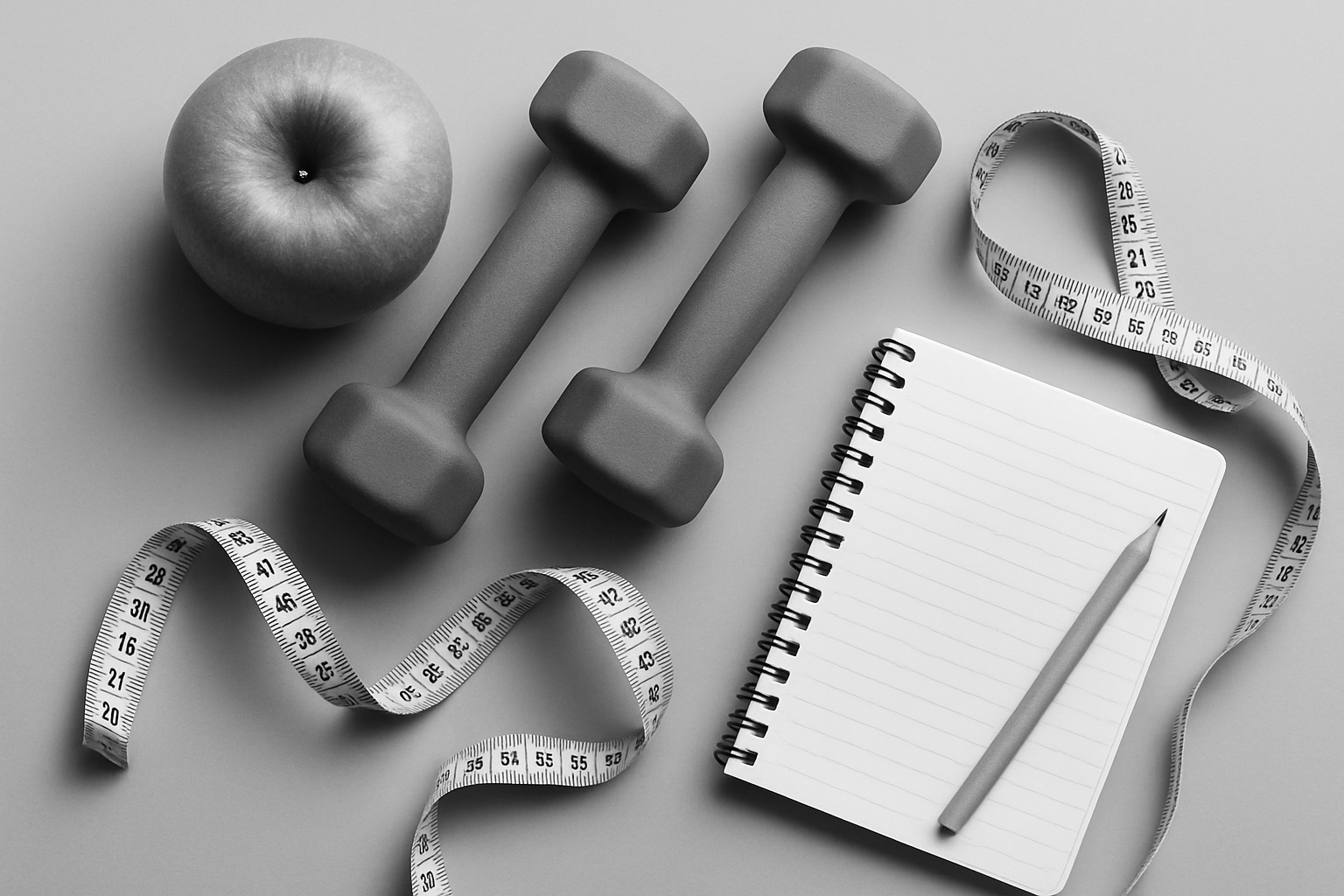
Weight fluctuates due to water, sodium, hormones, stress, and digestion. To get a clearer picture, track:
- Weekly average scale weight (not a single day)
- Waist/hip measurements
- Progress photos (every 4–6 weeks)
- Strength and fitness markers (reps, walking pace, energy levels)
Adjust based on trends, not emotions
If progress stalls for 2–3 weeks, make a small change rather than a drastic one—like tightening portions slightly, adding a few thousand steps per week, or increasing protein at meals. Small adjustments are easier to sustain and less likely to backfire.
6) Common Weight Loss Mistakes to Avoid
Eating too little and burning out
Severely cutting calories often leads to fatigue, intense cravings, and “weekend rebound” eating. A moderate calorie deficit is usually more successful long-term, especially when paired with protein, fiber, and strength training.
Relying on cardio alone
Cardio is great for heart health and calorie burn, but strength training helps maintain muscle and supports a healthier metabolism during weight loss. The best plan typically combines both.
Skipping meals and then overeating at night
Some people do fine with fewer meals, but many find that skipping breakfast or lunch leads to evening overeating. If that’s you, aim for balanced meals earlier in the day—especially protein and fiber—to keep hunger steady.
Conclusion
The best weight loss tips are the ones you can repeat. Start with a few high-impact habits—more protein and fiber, daily walking, and better sleep—then build from there. Keep it simple, track trends over time, and remember: consistency beats intensity when the goal is lasting change.