What Is a Qualified Personal Trainer?
A qualified personal trainer is a fitness professional who helps clients set and reach goals through safe, effective exercise programming, nutrition guidance, and ongoing support. Qualification goes beyond enthusiasm for fitness—it includes formal education, certifications, hands-on experience, and a commitment to client safety and results.
Why Qualifications Matter
Hiring a trainer with proper qualifications reduces injury risk, ensures efficient progress, and provides credible guidance tailored to your needs. Qualified trainers understand biomechanics, exercise prescription, and how to modify workouts for health conditions, age, or skill level. In short, they turn effort into results.
Key Qualifications and Certifications
Accredited Certification
Look for certifications from respected organizations that meet industry standards, such as NASM, ACE, NSCA, ACSM, or ISSA. These programs cover exercise science, program design, and professional ethics. An accredited certification is a baseline indicator of competency.
CPR and AED Certification
Every qualified trainer should hold current CPR and AED certification. These life-saving skills are essential in case of an emergency during a session.
Relevant Education
A degree in exercise science, kinesiology, physical therapy, or a related field is a strong advantage. Formal education deepens understanding of anatomy, physiology, and injury prevention, though excellent trainers can also come from non-degree paths backed by strong credentials and experience.
Specializations and Continuing Education
Specialty certifications—such as strength and conditioning, corrective exercise, sports performance, seniors’ fitness, or clinical populations—show advanced knowledge for specific client needs. Good trainers pursue continuing education to stay current with research and best practices.
Practical Experience
Experience matters. Ask about the trainer’s track record with clients who have goals similar to yours. Hands-on experience provides practical problem-solving skills that certifications alone may not cover.
How to Evaluate a Trainer
Interview and Ask the Right Questions
- What certifications and education do you have?
- Can you provide references or client success stories?
- How do you assess new clients and design programs?
- What is your approach to nutrition and lifestyle coaching?
- How do you handle injuries or special medical conditions?
Observe a Session or Request a Trial
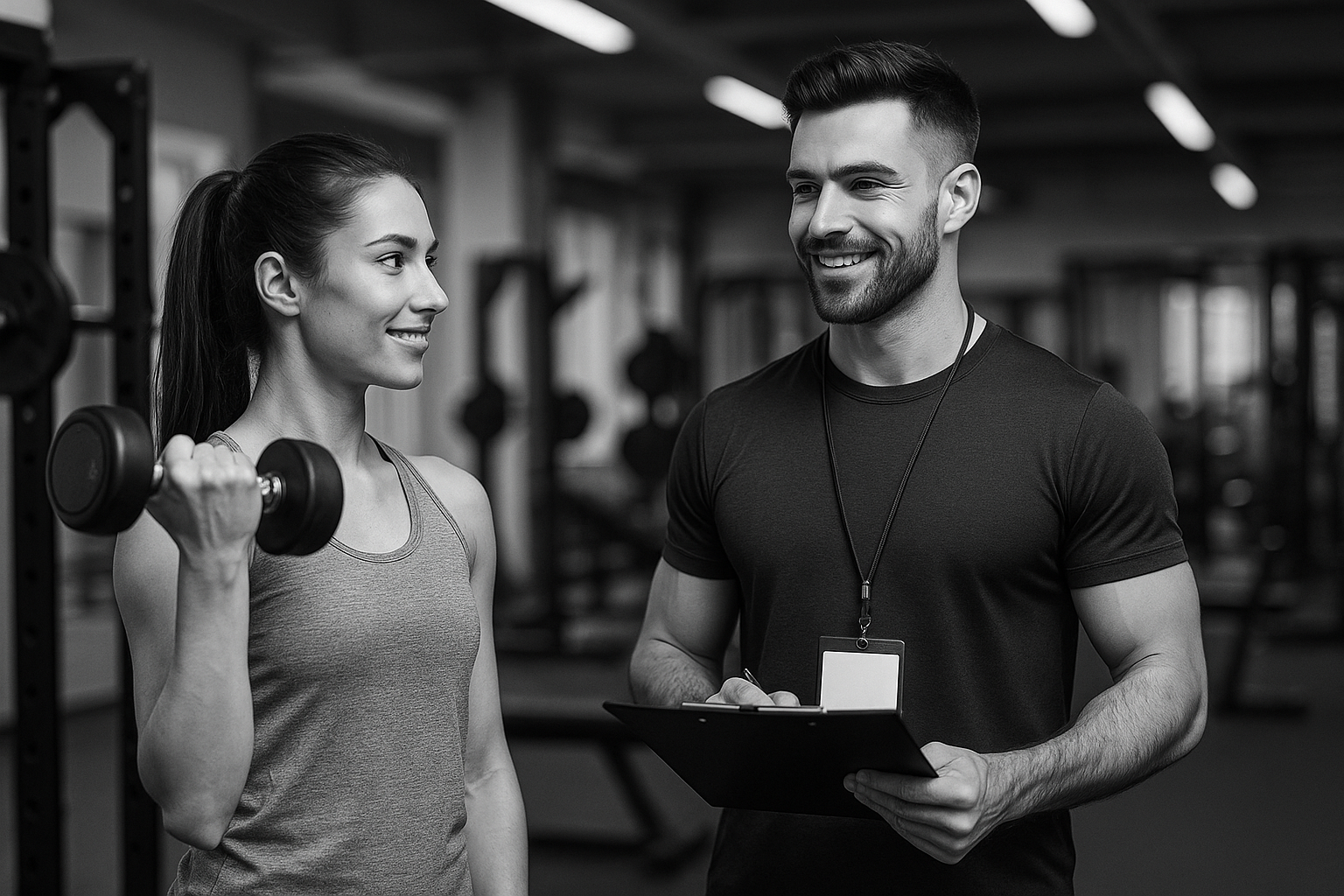
Many trainers offer a complimentary consultation or trial. Use this to see their communication style, coaching cues, and how they correct form. A great trainer explains the why behind exercises and adapts on the spot.
Check References and Reviews
Ask for references and read online reviews. Former clients can speak to the trainer’s professionalism, consistency, and ability to deliver results.
Benefits of Working with a Qualified Trainer
Safety and Injury Prevention
Qualified trainers teach proper technique and progression to minimize injury risk and ensure long-term fitness.
Personalized Programming
They tailor workouts to your goals, fitness level, time constraints, and health considerations—making your training efficient and enjoyable.
Motivation and Accountability
Consistent support and accountability increase adherence. Trainers provide structure, milestones, and encouragement to keep you on track.
Faster, Smarter Results
With evidence-based plans and regular reassessment, qualified trainers help you progress faster than unsupervised efforts or random workouts.
Red Flags to Avoid
- Unwillingness to provide credentials or references.
- Overpromising quick fixes or extreme weight-loss claims.
- Pushing a one-size-fits-all program without assessment.
- Lack of ongoing professional development or outdated methods.
- Poor communication or unprofessional behavior.
Where to Find Qualified Trainers
Gyms and Fitness Centers
Many trainers work at established gyms where certifications and insurance may be verified by management. Look for those affiliated with reputable facilities.
Independent and Studio Trainers
Independent trainers often bring specialized expertise. Ask for credentials, client testimonials, and evidence of insurance.
Online Platforms and Virtual Training
Virtual coaching is convenient and effective if the trainer uses video assessments, clear programming, and regular check-ins. Verify certifications and request a trial session.
Cost vs. Value
Prices vary by location, experience, and session type. Rather than choosing solely on price, consider value: a qualified trainer may cost more upfront but can save time, prevent injury, and produce better long-term outcomes. Many trainers offer packages, small-group rates, or hybrid online options to fit budgets.
Making the Decision
Choose a trainer who matches your goals, communicates clearly, demonstrates empathy, and shows evidence of results. Trust your instincts—comfort and rapport matter. A strong partnership will fuel progress and make fitness sustainable.
Conclusion
Qualified personal trainers combine education, certification, experience, and interpersonal skills to guide you safely and effectively toward your goals. By asking the right questions, checking credentials, and observing how a trainer works, you can find a professional who adds real value to your fitness journey.