
Why working out matters
Working out isn’t just about changing how you look—it’s one of the most reliable ways to improve how you feel and function day to day. Regular exercise supports your heart, brain, metabolism, mood, and long-term health. It can also make everyday tasks easier, from carrying groceries to climbing stairs, while building resilience against stress and illness. The best part: you don’t need extreme workouts to see benefits. Consistent, moderate activity—done in a way you enjoy—can create meaningful changes over time.
Physical benefits of working out
Improved heart health and circulation
Cardio-focused workouts (like brisk walking, cycling, swimming, or jogging) strengthen the heart muscle and improve circulation. Over time, this helps your cardiovascular system deliver oxygen and nutrients more efficiently, which can lower resting heart rate and support healthy blood pressure. Regular exercise is strongly associated with a reduced risk of heart disease and stroke, especially when paired with other healthy habits like balanced nutrition and good sleep.
Stronger muscles and bones
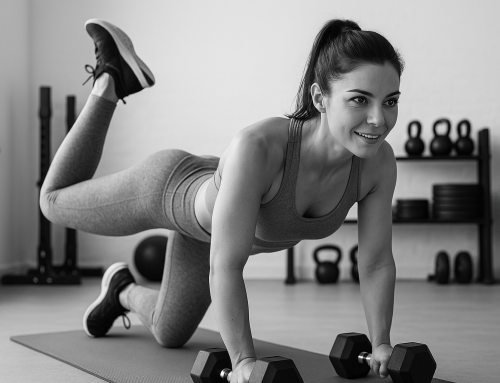
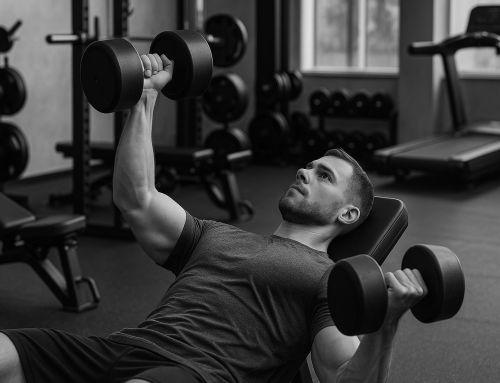
Strength training—using weights, resistance bands, machines, or bodyweight—builds and maintains muscle mass. That matters at every age, but it becomes especially important as we get older because muscle naturally declines over time if it isn’t challenged.
Resistance training and weight-bearing activity also improve bone density, helping reduce the risk of osteoporosis and fractures. Even simple habits—like squats, lunges, push-ups, and loaded carries—can contribute to stronger bones and better overall durability.
Better mobility, posture, and joint health
Working out can improve how your body moves. Mobility work, stretching, and strength training through a full range of motion help maintain flexible, capable joints. Balanced training can also address common posture issues by strengthening supportive muscles (like the upper back, glutes, and core) and reducing stiffness in areas that tend to tighten (like the hips and chest).
When exercise is scaled appropriately, it can be beneficial for joint health and pain management. Low-impact options such as walking, cycling, rowing, and water aerobics are excellent choices for people who want joint-friendly movement.
More energy and improved endurance
It may sound surprising, but working out often increases energy rather than draining it—especially when you’re consistent. Aerobic exercise improves your body’s ability to use oxygen efficiently, which can boost stamina for both workouts and everyday life. Strength training also contributes to endurance by making routine tasks require a smaller percentage of your total strength, meaning you feel less fatigued doing normal activities.
Weight management and healthier metabolism
Exercise supports weight management in several ways: it increases daily calorie burn, helps preserve muscle during fat loss, and can improve how your body regulates blood sugar and insulin. Strength training is particularly valuable because muscle is metabolically active tissue—maintaining it helps support a healthier metabolism over time.
That said, workouts work best when paired with nutrition habits you can sustain. Think of exercise as a powerful partner to a balanced diet rather than a “punishment” for eating.
Mental and emotional benefits of working out
Reduced stress and anxiety
Exercise is one of the most effective, accessible tools for stress relief. Movement helps regulate stress hormones like cortisol and can provide an immediate sense of release—especially after a challenging day. Many people find that a workout creates a mental “reset,” helping them feel calmer and more in control.
Activities like walking, yoga, strength training, or interval workouts can all help; the best option is the one you’ll actually do consistently.
Improved mood and confidence
Working out supports brain chemistry linked to improved mood, and it can also enhance your sense of confidence and self-efficacy—the belief that you can follow through on what you set out to do. Progress in the gym (lifting a little more, moving with better form, or walking farther without getting winded) often carries over into other areas of life.
Confidence doesn’t have to come from appearance changes. Many people feel better simply because they’re keeping a promise to themselves and building a routine that supports their goals.
Better sleep quality
Regular exercise can help you fall asleep faster and improve sleep quality by supporting healthier circadian rhythms and reducing stress. Many people report deeper, more restorative sleep when they consistently move during the day.
A practical tip: if intense evening workouts leave you feeling wired, try shifting harder sessions earlier and saving calming activities (like stretching or a gentle walk) for nighttime.
Sharper focus and brain health
Working out benefits your brain as much as your body. Exercise increases blood flow to the brain and supports cognitive functions like memory, attention, and processing speed. It’s also linked to long-term brain health, which matters as you age.
Even short bouts of movement—like a 10–20 minute walk—can improve focus and mental clarity, making exercise a helpful tool during busy workdays.
Long-term health benefits
Reduced risk of chronic disease
Consistent physical activity is associated with a lower risk of many chronic conditions, including type 2 diabetes, high blood pressure, heart disease, and certain cancers. Exercise also supports healthier cholesterol levels, improves insulin sensitivity, and helps manage inflammation.
The long-term impact comes from consistency. You don’t need perfection—just steady effort over months and years.
Improved longevity and quality of life
Regular workouts can help you live longer, but even more importantly, they can help you live better. Strength, balance, and endurance make daily life more enjoyable and independent. The goal isn’t just adding years—it’s adding capability to your years so you can keep doing the things you love.
Healthier aging and injury prevention
Exercise is one of the best investments you can make in healthy aging. Strength training supports muscle and bone, balance work reduces fall risk, and mobility training keeps joints moving well. Together, these can lower the odds of common injuries and help you recover more effectively when setbacks happen.
Injury prevention also comes down to smart training: gradual progression, good technique, adequate rest, and choosing workouts that match your current fitness level.
How to get started (and stick with it)
Choose a routine you enjoy
The best workout plan is the one you’ll repeat. If you hate running, don’t force it—try cycling, dance classes, hiking, or strength training instead. Enjoyment increases consistency, and consistency drives results.
Balance strength, cardio, and mobility
A well-rounded routine typically includes:
- Strength training 2–4 times per week (full-body or upper/lower splits)
- Cardio 2–5 times per week (walking counts)
- Mobility/flexibility most days (5–10 minutes goes a long way)
If you’re short on time, combining elements works well—like a brisk walk after a strength session or a short mobility flow before bed.
Start small and progress gradually
Overdoing it early is a common reason people quit. Begin with manageable sessions and build slowly—adding time, intensity, or weight in small steps. A simple approach is to aim for “one step easier than you think you can handle,” then steadily increase as your body adapts.
Track progress beyond the scale
Not every benefit shows up as weight loss. Track wins like improved energy, better sleep, reduced stress, higher strength numbers, more daily steps, or fewer aches and pains. These are powerful signs your workouts are working—even if the scale moves slowly.
Conclusion
The benefits of working out reach far beyond appearance: stronger heart and muscles, better mood and sleep, sharper focus, and lower risk of chronic disease. Start where you are, keep it simple, and focus on consistency. A sustainable routine—one you can repeat week after week—can transform both your health and your quality of life.