
Understanding Weight Loss: What Workouts Really Do
Weight loss happens when you consistently burn more energy than you take in. Workouts help by increasing the number of calories you burn, preserving (or building) lean muscle, improving insulin sensitivity, and making your metabolism more “efficient” over time. But the best workout for weight loss isn’t just the hardest one—it’s the one you can do consistently while recovering well.
A strong plan usually combines strength training, cardio (both steady and interval-based), and daily movement. That mix helps you burn calories now, protect muscle while dieting, and keep your results longer.
The Role of Calorie Deficit
Exercise supports a calorie deficit, but it doesn’t replace it. Even a great workout plan can be undone by consistently overeating. A helpful approach is to pair a realistic nutrition strategy with training that you can repeat week after week. If your goal is weight loss, aim for a small-to-moderate calorie deficit and use workouts to boost your weekly energy output and improve body composition.
Why Strength Training Matters for Fat Loss
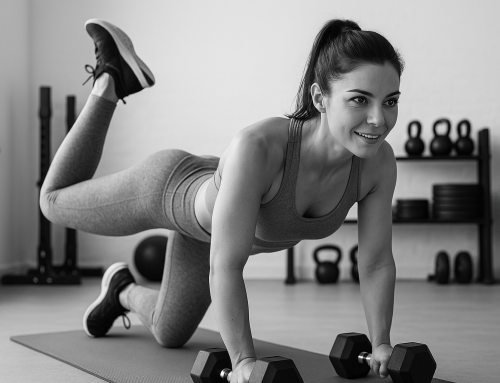
Strength training is a cornerstone of weight loss because it helps you maintain muscle while losing fat. Muscle is metabolically active tissue, and while it’s not a “calorie-burning furnace,” preserving it supports a healthier metabolism and a tighter, more toned look as weight drops. Strength training also improves performance, posture, and joint resilience—making it easier to stay active.
The Best Types of Workouts for Weight Loss
There’s no single “best” workout for everyone. The most effective approach depends on your schedule, preferences, injury history, and fitness level. Below are the most reliable options to include in a weight loss routine.
1) Strength Training (3–4 days/week)
For most people, 3–4 strength sessions per week is a sweet spot. Focus on full-body or upper/lower splits with movements that train multiple muscle groups at once. Prioritize:
- Squat pattern: squats, goblet squats, leg press
- Hinge pattern: Romanian deadlifts, hip thrusts, kettlebell deadlifts
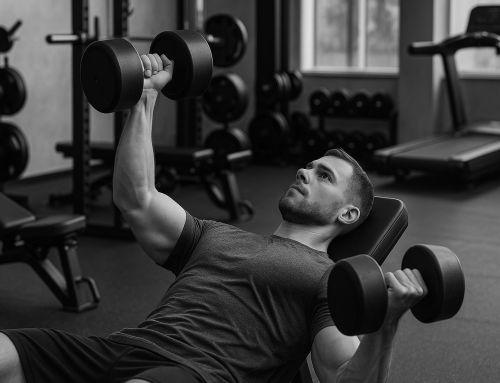
- Push: push-ups, bench press, overhead press
- Pull: rows, lat pulldowns, assisted pull-ups
- Core: planks, dead bugs, Pallof presses
Keep most sets in a moderate rep range (6–12 reps) with good form. Progressive overload—gradually increasing weight, reps, or control—helps you continue seeing results.
2) Low-Intensity Cardio (2–5 days/week)
Low-intensity cardio (often called LISS) includes brisk walking, cycling, incline treadmill walking, or easy swimming. It’s effective for burning calories without draining recovery, and it can be easier to stick with than intense workouts.
Aim for 20–45 minutes per session at a pace where you can still hold a conversation. If you’re new to exercise, walking more often is one of the simplest ways to kickstart weight loss.
3) HIIT (1–2 days/week)
High-intensity interval training can burn a lot of calories in a shorter time and improve cardiovascular fitness. The key is to keep it truly limited: too much HIIT can increase fatigue and make strength training (and consistency) harder.
Try intervals like:
- Bike: 20 seconds hard / 100 seconds easy × 6–10 rounds
- Row: 30 seconds hard / 90 seconds easy × 6–8 rounds
- Run: 15–30 seconds fast / 60–120 seconds walk × 6–10 rounds
Keep HIIT sessions to 10–20 minutes of intervals, plus warm-up and cool-down.
4) Circuit Training (Full-body calorie burn)
Circuit training combines strength and cardio by moving through exercises with limited rest. It’s useful for weight loss because it’s time-efficient and keeps your heart rate up while you build strength endurance.
Example circuit (3–5 rounds):
- Goblet squat × 10–12
- Dumbbell row × 10–12/side
- Push-ups × 8–15
- Reverse lunge × 10/side
- Plank × 30–45 seconds
Rest 60–90 seconds between rounds, and choose weights that challenge you while keeping form solid.
A Sample Weekly Workout Plan for Weight Loss
Use this as a starting point and adjust based on your fitness level and recovery. The goal is to create a sustainable weekly rhythm.
Beginner (4–5 days/week)
- Day 1: Full-body strength (30–45 min) + short walk
- Day 2: Brisk walk or bike (30–40 min)
- Day 3: Full-body strength (30–45 min)
- Day 4: Rest or gentle movement (walk, mobility)
- Day 5: Low-intensity cardio (30–45 min)
Intermediate (5–6 days/week)
- Day 1: Upper body strength + 10–20 min easy cardio
- Day 2: Lower body strength
- Day 3: Low-intensity cardio (35–50 min)
- Day 4: Upper body strength + core
- Day 5: HIIT (intervals 10–20 min) + mobility
- Day 6: Lower body strength + optional easy walk
- Day 7: Rest
Key Tips to Maximize Weight Loss Results
Workouts work best when the basics are covered: consistency, recovery, and smart progression.
Progressive Overload (Without Burning Out)
To keep improving, you need a reason for your body to adapt. Add a small amount of weight, do one more rep, or reduce rest slightly. But avoid increasing everything at once. A good rule: change one variable at a time and keep at least 1–2 reps “in reserve” on most sets so you can recover and train again.
NEAT: The Secret Weapon (Daily Steps)
NEAT (non-exercise activity thermogenesis) includes everything you do outside formal workouts—walking, standing, chores, taking stairs. For many people, increasing steps is the most sustainable way to increase calorie burn without feeling wrecked.
Practical target: start with your current average and add 1,000–2,000 steps/day for a few weeks.
Recovery: Sleep, Stress, and Rest Days
Fat loss is harder when you’re chronically underslept or stressed. Poor recovery can increase cravings, reduce workout quality, and make progress feel slower. Aim for:
- 7–9 hours of sleep most nights
- 1–2 rest days weekly (light movement is fine)
- Hydration and enough protein to support training
Common Mistakes to Avoid
Many weight loss plateaus come from a few predictable issues. Fixing these can quickly improve results.
Doing Too Much Cardio and Skipping Strength
Cardio is great, but if it replaces strength training, you may lose muscle along with fat. That can make you look “smaller” on the scale but not necessarily leaner or firmer. A combined approach usually produces better body composition changes.
Eating Back Exercise Calories
Fitness trackers often overestimate calories burned. If you routinely “eat back” those calories, you might erase your deficit without realizing it. Instead, monitor progress over 2–4 weeks and adjust food intake or activity based on real-world results.
Not Tracking Progress Beyond the Scale
Scale weight fluctuates due to water, sodium, and hormones. Track additional measures like:
- Waist/hip measurements (weekly)
- Progress photos (every 2–4 weeks)
- Strength improvements (reps/weight)
- How clothes fit and energy levels
Conclusion
The best workout for weight loss is a balanced plan you can stick with: consistent strength training, manageable cardio, and more daily movement. Start simple, progress gradually, and prioritize recovery. When your workouts support a realistic calorie deficit, weight loss becomes far more predictable—and much easier to maintain.