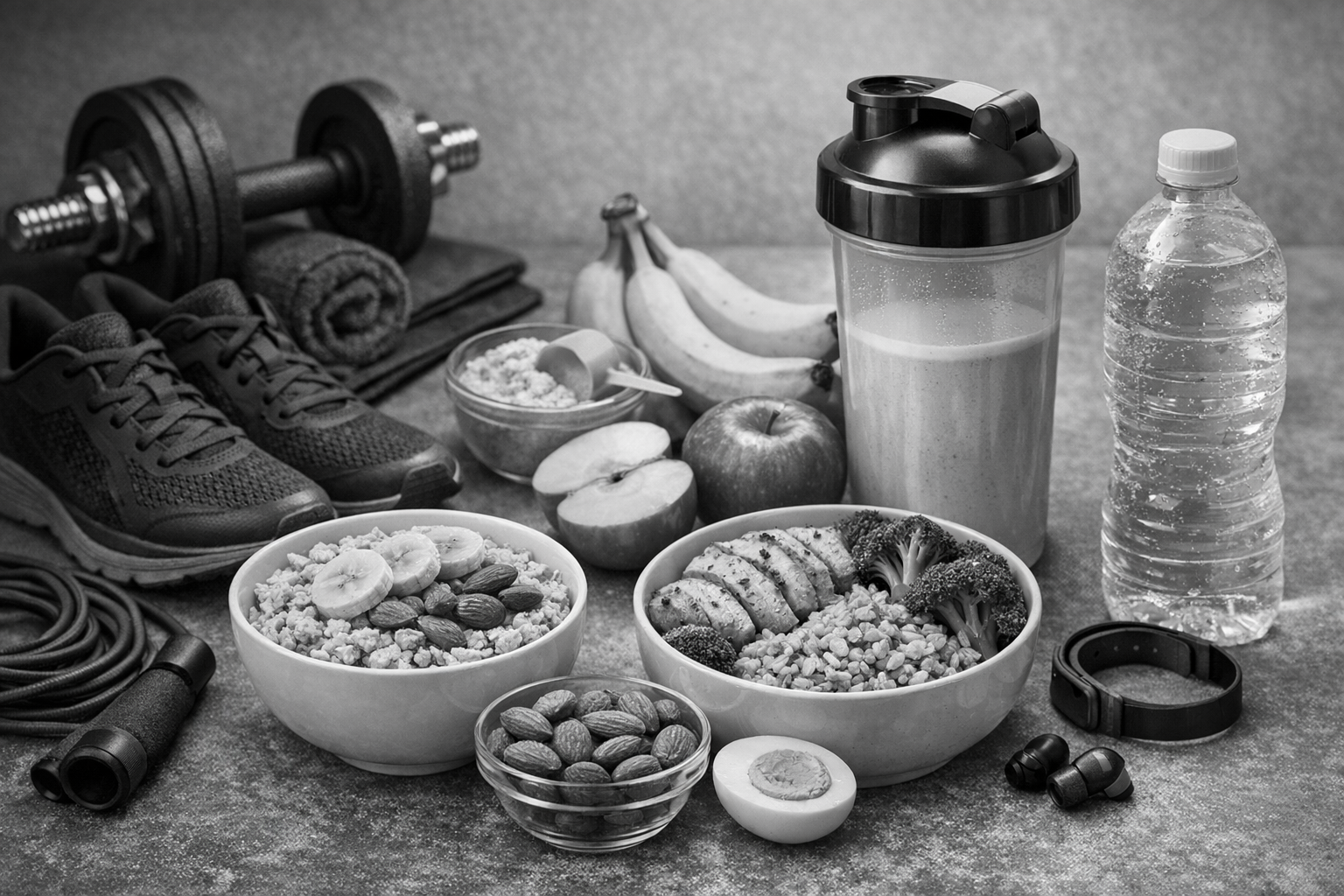
Workout Nutrition: What to Eat Before and After Exercise
Workout nutrition plays a major role in how you perform, recover, and feel after exercise. The right foods at the right time can support energy levels, reduce fatigue, and help your body repair and build muscle. Whether your goal is to get stronger, improve endurance, or simply stay consistent with your training, a smart nutrition plan makes a real difference.
Why Workout Nutrition Matters
Exercise places stress on the body. During a workout, your muscles use stored energy, and small amounts of muscle tissue can break down, especially during intense or prolonged training. Nutrition helps replenish energy stores, provide amino acids for muscle repair, and support hydration. Without proper fuel, you may feel sluggish, recover more slowly, or struggle to progress in your training.
Good workout nutrition is not just about eating more protein. It is about balancing carbohydrates, protein, fats, and fluids based on your activity level and timing. The goal is to give your body what it needs before exercise and what it needs to recover afterward.
What to Eat Before a Workout
Pre-workout nutrition should focus on easily digestible foods that provide energy without causing discomfort. In most cases, carbohydrates are the main fuel source for exercise, especially for moderate to high-intensity training. A little protein can also help support muscle function and reduce muscle breakdown.
Timing Matters
If you eat a full meal 2 to 4 hours before training, choose a balanced plate with carbs, protein, and a moderate amount of fat. If you are eating closer to your workout, within 30 to 90 minutes, keep it lighter and easier to digest.
Good Pre-Workout Food Options
- Oatmeal with banana and Greek yogurt
- Whole grain toast with peanut butter
- Rice with chicken and a small serving of vegetables
- A smoothie with fruit, yogurt, and oats
- Apple slices with cottage cheese
If you exercise early in the morning and do not have time for a full meal, a small snack like a banana, toast, or a yogurt cup can still help improve performance.
What to Avoid Before Exercise
Very high-fat, very high-fiber, or overly spicy foods may cause stomach upset before a workout. Large meals right before training can also leave you feeling heavy or uncomfortable. Everyone is different, so pay attention to how your body responds and adjust accordingly.
What to Eat After a Workout
After exercise, your body needs to recover. Post-workout nutrition helps replenish glycogen, repair muscle tissue, and restore hydration. This is especially important if you train often, work out intensely, or have another session later in the day.
The Recovery Formula
A simple post-workout meal or snack should include both carbohydrates and protein. Carbohydrates help restore energy, while protein supplies amino acids for muscle repair and growth. A practical target is to include protein within a meal or snack soon after training, along with enough carbs to support recovery.
Best Post-Workout Food Choices
- Chicken, rice, and vegetables
- Protein smoothie with fruit and milk
- Eggs with whole grain toast and avocado
- Salmon with sweet potato
- Greek yogurt with berries and granola
The exact meal depends on the type of workout you did. After a heavy lifting session, protein is especially important. After a long run, bike ride, or sports practice, carbohydrates become even more important for restoring glycogen.
Hydration and Electrolytes
Workout nutrition is not only about food. Hydration affects strength, endurance, concentration, and recovery. Even mild dehydration can make exercise feel harder and reduce performance.
Water is enough for many short or moderate workouts. For longer sessions, hot weather, or very sweaty training, electrolytes such as sodium and potassium can help replace what you lose through sweat. You can get electrolytes from sports drinks, coconut water, or food sources like fruit, dairy, and salted meals.
A good rule is to drink water regularly throughout the day, not just during exercise. If your urine is consistently dark yellow or you feel thirsty often, you may need more fluids.
Workout Nutrition for Different Goals
Your nutrition plan should match your goal. There is no single perfect approach for everyone.
For Muscle Gain
If you want to build muscle, prioritize enough total calories, protein at each meal, and carbohydrates around workouts. Recovery matters because muscle growth happens when you consistently recover from training and provide your body with enough energy.
For Fat Loss
If your goal is fat loss, do not cut calories so aggressively that workouts suffer. Keep pre- and post-workout meals balanced so you can train well and preserve muscle. High-protein meals can help with satiety and recovery while you stay in a calorie deficit.
For Endurance Training
Runners, cyclists, swimmers, and other endurance athletes often need more carbohydrates than casual exercisers. These workouts use a lot of glycogen, so strategic carb intake before, during, and after training can improve stamina and recovery.
Common Workout Nutrition Mistakes
One of the biggest mistakes is training without enough fuel. Skipping meals before hard workouts can reduce performance and increase fatigue. Another common issue is relying only on protein and neglecting carbohydrates, which are essential for energy.
People also sometimes overeat after exercise because they feel deprived. Planning your meals ahead of time can prevent that. Finally, remember that supplements are not a replacement for a solid diet. Whole foods should form the foundation of your workout nutrition plan.
Conclusion
Workout nutrition does not have to be complicated. Focus on a balanced pre-workout meal or snack, a recovery-focused post-workout meal, and consistent hydration throughout the day. When you fuel your body well, you can train harder, recover faster, and make better progress toward your fitness goals.