Why Workout Nutrition Matters
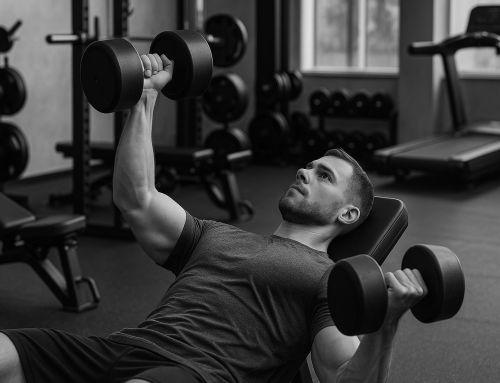
Workout nutrition is the bridge between the work you do in the gym and the results you want outside of it. Food provides the energy to train hard, the building blocks to repair muscle, and the nutrients that support recovery, hormones, and overall health. When your nutrition lines up with your training, you’ll typically notice better performance, more consistent energy, improved body composition, and fewer “mystery” plateaus.
While there’s no single perfect plan for everyone, the fundamentals are reliable: eat enough total calories for your goal, prioritize protein, use carbohydrates strategically for training fuel, and include healthy fats and micronutrient-rich foods for recovery and longevity.
Macronutrients: The Basics You Need to Know
Protein: The recovery cornerstone
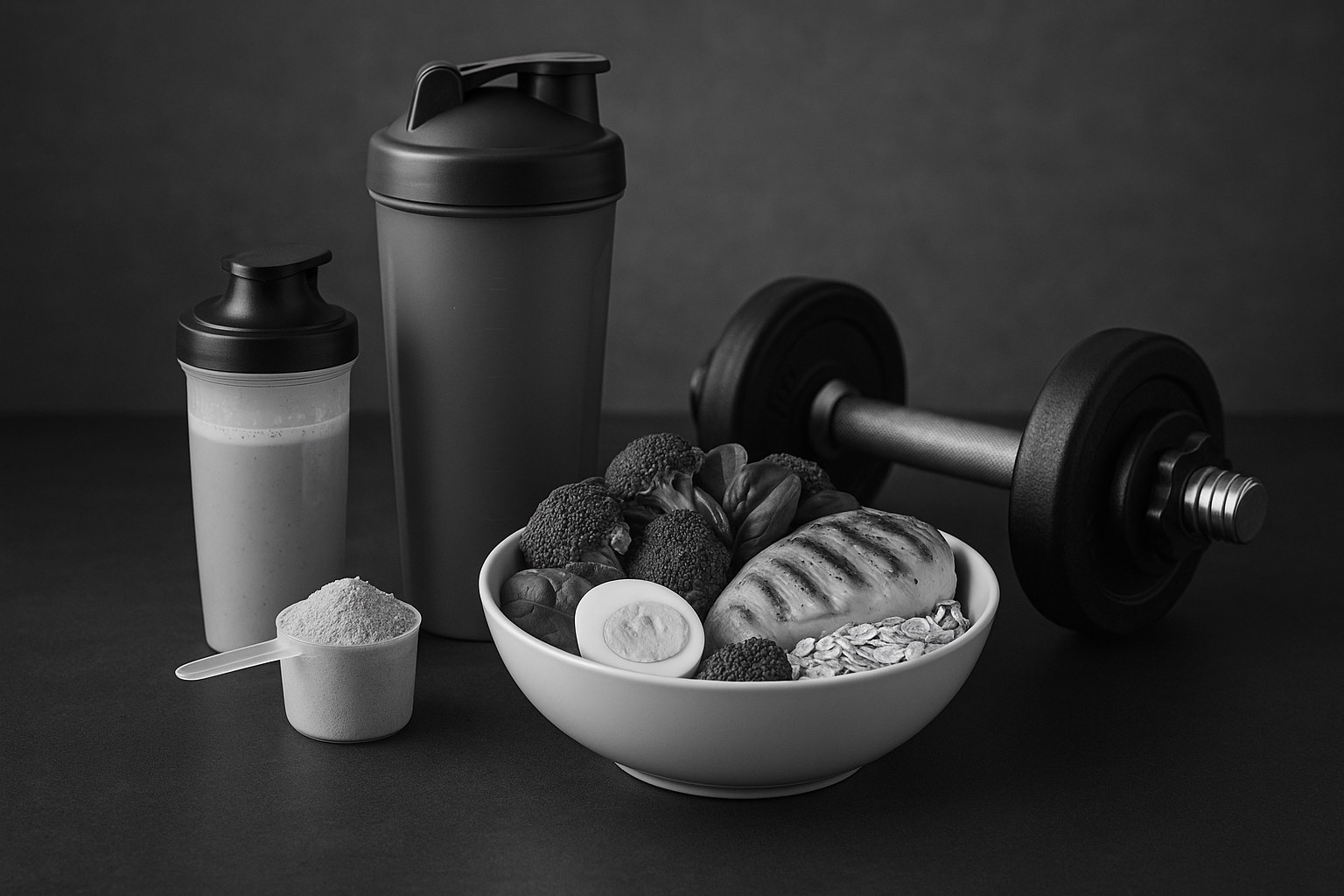
Protein supplies amino acids that help repair and build muscle tissue. Most active people do well with protein spread across the day rather than crammed into one meal. A practical approach is to include a protein source at each meal and snack.
- Great options: chicken, turkey, fish, lean beef, eggs, Greek yogurt, cottage cheese, tofu, tempeh, beans, lentils, protein powders.
- Simple target: aim for a high-protein food at 3–5 eating occasions daily.
Carbohydrates: Your performance fuel
Carbs are the body’s preferred fuel for higher-intensity training, including strength work, intervals, and many sport sessions. Getting enough carbs can help you train harder and maintain better quality across sets and reps.
- Great options: rice, oats, potatoes, pasta, fruit, whole-grain breads, quinoa, beans.
- When they matter most: in the meals before and after training, especially if you lift heavy, do longer sessions, or train multiple times per day.
Fats: Hormones, satiety, and health
Dietary fat supports hormone production, nutrient absorption, and helps meals feel satisfying. The key is balance—fat is essential, but very high-fat meals right before training may feel heavy for some people.
- Great options: olive oil, avocado, nuts, nut butters, seeds, fatty fish.
- Tip: keep pre-workout meals moderate in fat if you’re prone to stomach discomfort.
Pre-Workout Nutrition: Eat for Energy (and Comfort)
Your pre-workout meal should help you feel energized without upsetting your stomach. What works best depends on your schedule, digestion, and training style, but a solid rule is: carbs + protein, with moderate fat and fiber if you’re eating close to the session.
Timing guidelines
- 2–3 hours before: a full meal with carbs, protein, and some fat.
- 30–90 minutes before: a lighter snack focusing on carbs and a bit of protein.
Pre-workout meal ideas
- Chicken (or tofu) bowl with rice and veggies
- Greek yogurt with berries and granola
- Oatmeal made with milk plus a scoop of protein powder
- Banana + whey protein shake
- Toast with eggs (or egg whites) and fruit
If you train first thing in the morning: you can still perform well with a small carb-focused snack (like a banana) or a shake, then eat a balanced breakfast afterward.
During-Workout Nutrition: When You Actually Need It
For many people, water is enough during typical workouts lasting 45–75 minutes. During-workout nutrition becomes more useful as session duration, intensity, heat, and sweat losses increase.
When to consider carbs during training
- Endurance sessions longer than ~75–90 minutes
- Very intense sessions (hard intervals, tournaments, long practices)
- Two-a-day training where quick refueling matters
Easy intra-workout options
- Sports drink
- Banana or applesauce pouch
- Energy chews/gels (especially for endurance)
Also consider electrolytes if you sweat heavily or train in hot/humid environments. Sodium, in particular, helps with fluid balance and can reduce the risk of cramping for some athletes.
Post-Workout Nutrition: Recovery That Moves the Needle
Post-workout nutrition is about replenishing glycogen (carbs), repairing muscle (protein), and starting the recovery process so you’re ready for the next session. You don’t need to panic about a tiny “anabolic window,” but eating within a couple of hours after training is a helpful habit—especially if you trained hard or you won’t eat again soon.
What to prioritize after training
- Protein: include a quality protein source to support muscle repair.
- Carbs: especially important after intense or long workouts.
- Fluids + electrolytes: replace sweat losses to support recovery and performance.
Post-workout meal ideas
- Protein shake + fruit, then a full meal later
- Salmon with potatoes and a side salad
- Turkey sandwich on whole-grain bread + yogurt
- Stir-fry with lean protein, rice, and vegetables
Training for muscle gain? Ensure your total daily calories and protein are high enough. Training for fat loss? Keep protein high, include carbs around workouts for performance, and manage total calories across the day.
Hydration and Micronutrients: The Often-Missed Essentials
Hydration affects strength, endurance, focus, and recovery. Even mild dehydration can make workouts feel harder than they need to. Build a routine around consistent daily fluid intake rather than trying to “catch up” during training.
Hydration tips
- Drink regularly throughout the day, not just during workouts.
- Use pale yellow urine as a simple hydration check (not a perfect one, but useful).
- Add electrolytes if you sweat heavily or notice headaches and fatigue after hot sessions.
Micronutrients—vitamins, minerals, and phytonutrients—support energy production, immune function, and tissue repair. A plate that includes colorful fruits and vegetables, whole grains, and quality proteins usually covers the basics. If your diet is restrictive (or you suspect a deficiency), a registered dietitian can help you personalize your approach.
Common Workout Nutrition Mistakes (and Easy Fixes)
1) Under-eating protein
Fix: Add a protein source to breakfast and snacks (Greek yogurt, eggs, tofu scramble, protein shake).
2) Skipping carbs when training hard
Fix: Include a carb source in your pre- and post-workout meals (fruit, rice, oats, potatoes).
3) Going too heavy on fat/fiber right before training
Fix: Choose lower-fiber carbs closer to workouts (white rice, bananas, toast) and save higher-fiber meals for later.
4) Treating hydration as an afterthought
Fix: Keep a water bottle nearby, and consider electrolytes for long/hot sessions.
Conclusion
Great workout nutrition doesn’t have to be complicated: prioritize protein, use carbs to fuel and recover, include healthy fats, and stay on top of hydration. Start with one change—like improving your pre-workout snack or adding a protein-rich breakfast—and build from there. Over time, small, consistent upgrades are what turn good training into great results.