
Best Healthy Foods: What to Eat for Better Health
When people ask about the best healthy foods, they’re usually looking for simple, everyday options that support energy, digestion, heart health, immunity, and a healthy weight. The good news: you don’t need a perfect diet or expensive “superfoods” to eat well. The most nutritious choices are often familiar staples—foods rich in fiber, protein, healthy fats, vitamins, minerals, and protective plant compounds.
Below are some of the best healthy foods to include regularly, plus tips to make them easy (and tasty) to eat.
How to Choose the Best Healthy Foods
The “best” foods tend to share a few qualities:
- Nutrient density: Lots of vitamins, minerals, fiber, and beneficial compounds per calorie.
- Minimal processing: Closer to their natural form, with fewer added sugars and refined starches.
- Balance: A mix of protein, fiber-rich carbohydrates, and healthy fats helps keep you full and steady.
- Consistency: Foods you’ll actually eat regularly matter more than a perfect list.
A practical approach is to build meals around whole foods—especially plants—then add satisfying proteins and fats.
The Best Healthy Foods to Add to Your Diet
Leafy Greens
Spinach, kale, arugula, collards, and romaine are nutrition powerhouses. They’re generally high in vitamins A, C, and K, folate, and antioxidants that support cellular health.
- Easy ways to eat them: Toss into salads, blend into smoothies, sauté with garlic and olive oil, or add to soups and omelets.
Berries
Blueberries, strawberries, raspberries, and blackberries are rich in fiber and polyphenols—plant compounds linked with heart and brain benefits. They’re also a naturally sweet way to upgrade breakfast or snacks.
- Try them: On oatmeal, in Greek yogurt, mixed into a chia pudding, or simply as a grab-and-go snack.
Cruciferous Vegetables
Broccoli, cauliflower, Brussels sprouts, and cabbage offer fiber, vitamin C, and unique sulfur-containing compounds. These veggies are especially helpful for adding volume and nutrients without many calories.
- Make them delicious: Roast at high heat with olive oil, salt, pepper, and a squeeze of lemon; or stir-fry with ginger and sesame.
Beans and Lentils
Beans, chickpeas, and lentils provide a winning combo of plant protein, fiber, iron, potassium, and slow-digesting carbs for steady energy. They’re also budget-friendly and versatile.
- Simple uses: Add to salads, soups, tacos, grain bowls, or blend chickpeas into hummus.
Whole Grains
Oats, quinoa, brown rice, barley, and whole wheat supply fiber (including beta-glucan in oats), B vitamins, and minerals like magnesium. Compared with refined grains, whole grains tend to be more filling and supportive of heart and gut health.
- Quick tip: Batch-cook grains once a week for fast lunches and dinners.
Fatty Fish
Salmon, sardines, trout, and mackerel are rich in high-quality protein and omega-3 fats (EPA and DHA), which support heart, brain, and eye health. They’re one of the best animal-based additions to a healthy eating pattern.
- Easy options: Use canned salmon or sardines for quick salads, wraps, or grain bowls.
Eggs
Eggs offer complete protein plus nutrients like choline (important for brain and liver function) and lutein/zeaxanthin (supportive for eye health). They’re convenient and work at any meal.
- Healthy ideas: Hard-boil for snacks, make a veggie omelet, or add a poached egg to a grain bowl.
Greek Yogurt and Kefir
Unsweetened Greek yogurt and kefir provide protein, calcium, and beneficial bacteria that can support gut health. Choose plain versions and add your own fruit or cinnamon to control added sugar.
- Try this: Mix yogurt with berries and nuts, or use it as a creamy base for sauces and dressings.
Nuts and Seeds
Almonds, walnuts, pistachios, chia seeds, flaxseeds, and pumpkin seeds provide healthy fats, fiber, and minerals like magnesium and zinc. Walnuts and flax/chia are especially known for omega-3s (ALA).
- Portion tip: A small handful of nuts or 1–2 tablespoons of seeds goes a long way.
Extra Virgin Olive Oil
Extra virgin olive oil is a staple of Mediterranean-style eating patterns and is rich in monounsaturated fats and polyphenols. It’s a smart choice for flavor and heart-friendly cooking.
- Best uses: Drizzle on salads and roasted vegetables, or use for low-to-medium heat cooking.
Avocados
Avocados are packed with fiber and monounsaturated fats that help keep you satisfied. They also provide potassium and several vitamins.
- Easy ideas: Add to toast, salads, tacos, or blend into a creamy dressing.
Fruits and Vegetables in Many Colors
Beyond the specific picks above, aim for variety. Different colors often mean different protective compounds—think oranges (carotenoids), reds (lycopene/anthocyanins), and purples (polyphenols).
- Simple goal: Add at least one fruit or vegetable to every meal.
How to Build Meals Using Healthy Foods
If you want a simple, repeatable method, try this plate formula:
- Half the plate: Non-starchy vegetables (leafy greens, broccoli, peppers, carrots).
- One quarter: Protein (fish, eggs, yogurt, beans/lentils, lean meats if you eat them).
- One quarter: Fiber-rich carbs (whole grains, beans, starchy vegetables like sweet potato).
- Add healthy fats: Olive oil, avocado, nuts/seeds.
For snacks, combine protein + fiber to stay fuller longer—like Greek yogurt with berries, apple with nut butter, or hummus with veggies.
Common Mistakes When Choosing “Healthy” Foods
- Over-focusing on one food: No single item makes or breaks your diet—variety matters.
- Assuming “low-fat” means healthy: Many low-fat foods add sugar or starch for taste.
- Ignoring added sugar and sodium: Check labels on sauces, cereals, flavored yogurts, and packaged snacks.
- Not eating enough protein or fiber: These are key for fullness, stable energy, and long-term habits.
Conclusion
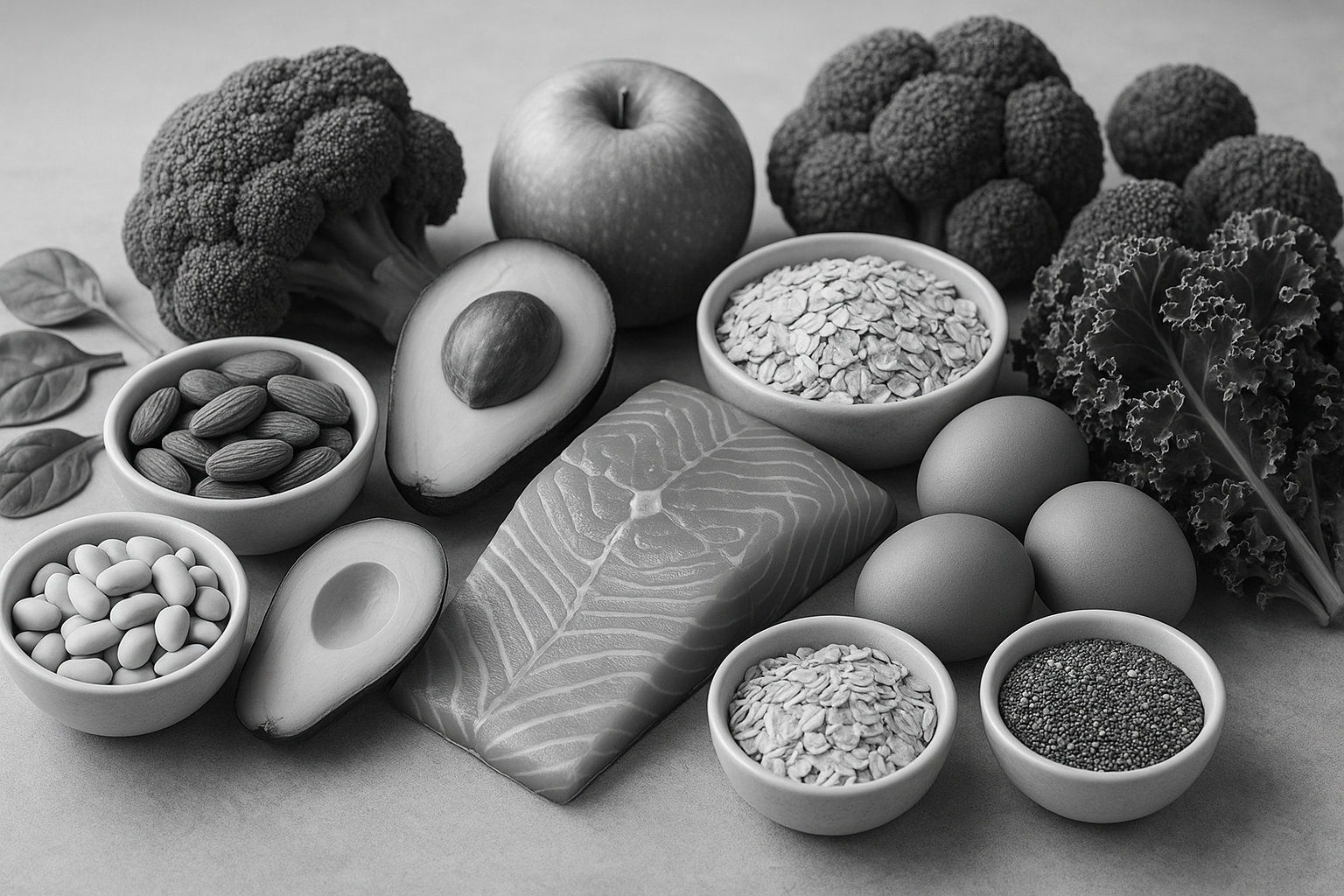
The best healthy foods are the ones you can enjoy consistently: colorful fruits and vegetables, beans and lentils, whole grains, high-quality proteins like fish and eggs, and healthy fats from olive oil, nuts, seeds, and avocados. Start small—pick two or three foods from this list to add this week—and build from there for a sustainable, nourishing routine.