
Introduction
Building muscle isn’t just about lifting heavier weights—it’s also about consistently giving your body the raw materials it needs to grow. A smart muscle-building diet provides enough calories to fuel training, enough protein to support muscle protein synthesis, and the right balance of carbs and fats to optimize performance, recovery, and hormones. In this guide, you’ll learn how to set up your nutrition for lean gains, what to eat, how much to eat, and how to time meals to support muscle growth.
Calorie Intake: The Foundation of Muscle Gain
To build muscle efficiently, most people need a small calorie surplus—meaning you eat slightly more than you burn. Without enough energy, it’s difficult for your body to prioritize new muscle tissue.
Find Your Maintenance Calories
Your maintenance intake is the number of calories you need to maintain your current weight. You can estimate it using an online calculator or by tracking your food for 1–2 weeks while watching scale trends. If your weight stays steady, you’re near maintenance.
Choose a Lean Bulking Surplus
Aim for a surplus of about 5–15% above maintenance (often ~150–300 calories/day for many people). This supports muscle gain while minimizing fat gain. A useful target rate of gain is:
- Beginners: ~0.25–0.5% of body weight per week
- Intermediate/advanced: ~0.1–0.25% of body weight per week
If weight isn’t moving after two weeks, increase intake by ~100–150 calories/day.
Macros for Muscle Building: Protein, Carbs, and Fats
Macronutrients are your muscle-building toolkit. While total calories matter, getting macros in the right range makes progress more consistent and training more productive.
Protein: Your Muscle-Building Priority
Protein provides amino acids that help repair and build muscle after training. A strong general target is:
- 0.7–1.0 grams of protein per pound of body weight (1.6–2.2 g/kg) daily
Spread protein across the day to maximize muscle protein synthesis—think 3–5 meals with a solid protein serving each time.
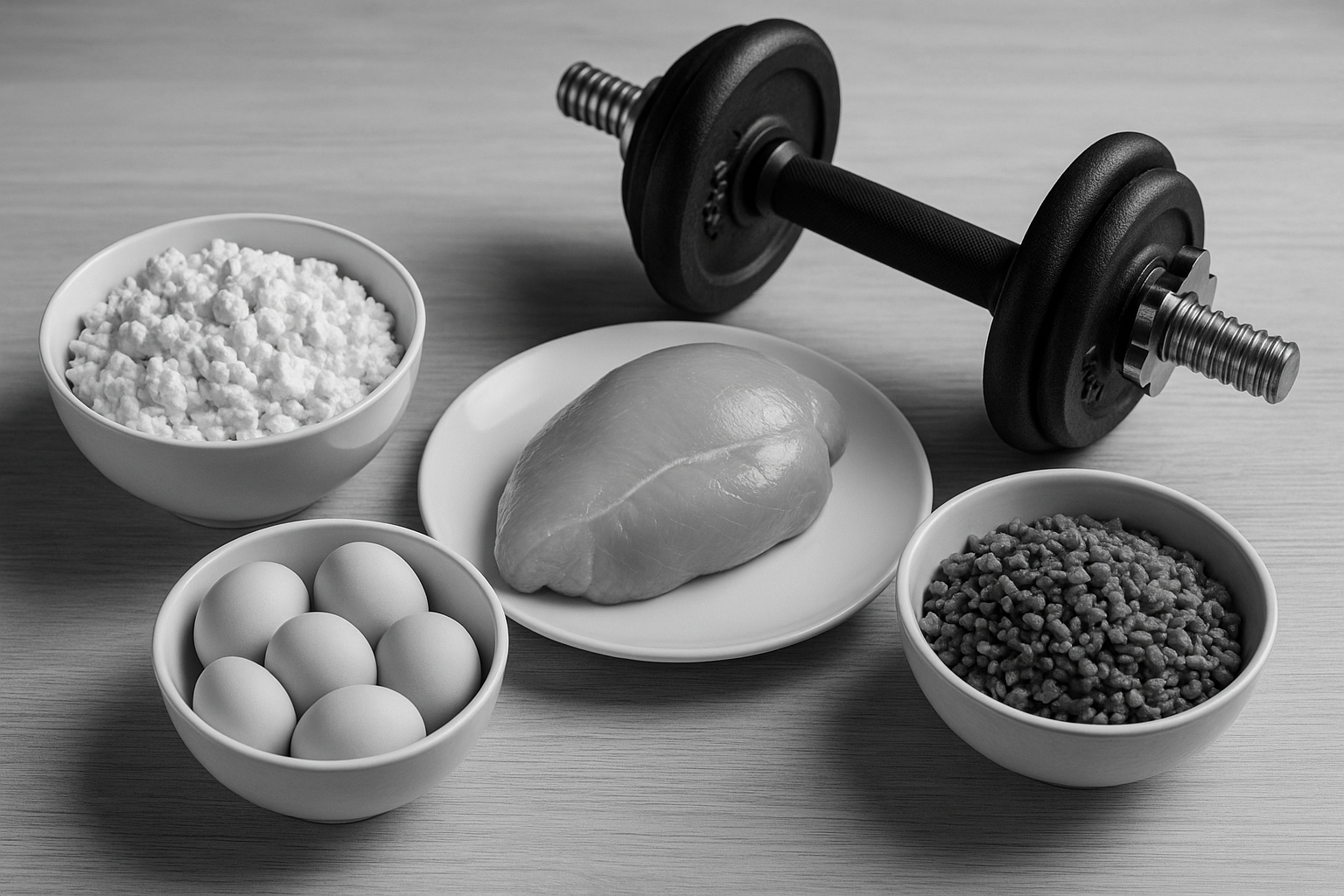
High-quality protein sources: chicken, turkey, lean beef, eggs, Greek yogurt, cottage cheese, fish, tofu, tempeh, beans/lentils (pair with grains for completeness), and whey or plant protein powders.
Carbs: Fuel for Performance and Recovery
Carbohydrates power intense training and help refill muscle glycogen, which supports performance on subsequent workouts. If your lifting sessions feel flat or you struggle to add reps, carbs are often the missing piece.
A common range for active lifters is:
- 2–4 grams of carbs per pound (4–7 g/kg), adjusted based on activity level and preference
Great carb choices: rice, potatoes, oats, whole-grain breads/pasta, fruit, legumes, and cereals with minimal added sugar. Vegetables also contribute carbs plus fiber and micronutrients.
Fats: Hormones, Calories, and Overall Health
Dietary fat supports hormone function, joint health, and helps you hit calorie targets without feeling overly full. A reliable baseline is:
- 0.3–0.5 grams of fat per pound (0.6–1.1 g/kg) daily
Healthy fat sources: olive oil, avocado, nuts, nut butters, seeds, whole eggs, and fatty fish like salmon.
Micronutrients, Fiber, and Hydration
Muscle building works best when the “boring basics” are handled: vitamins, minerals, fiber, and fluids. These don’t just improve health—they improve training quality and recovery.
Eat a Colorful, Whole-Food Base
Aim to include fruits and vegetables daily (a variety of colors), plus minimally processed staples like potatoes, oats, rice, beans, dairy (if tolerated), and lean proteins. These foods provide magnesium, potassium, iron, zinc, B vitamins, and antioxidants that support performance and recovery.
Fiber and Gut Comfort
Target 25–40 grams of fiber per day, but increase gradually to avoid digestive issues. If high fiber makes it hard to eat enough calories, shift some carbs to lower-fiber options (like white rice or sourdough) around workouts.
Hydration and Electrolytes
Even mild dehydration can reduce strength and endurance. Drink water consistently and include sodium—especially if you sweat heavily. A simple approach is to keep urine pale yellow and add electrolytes during long or very sweaty sessions.
Meal Timing for Muscle Growth
Meal timing is a “multiplier,” not the foundation—but it can make your plan feel easier and your workouts stronger.
Pre-Workout: Carbs + Protein
1–3 hours before training, aim for a meal with:
- 20–40g protein
- 30–80g carbs (more if training is long/intense)
Examples: chicken and rice, Greek yogurt with fruit and granola, or a turkey sandwich plus a banana.
Post-Workout: Prioritize Total Daily Intake
After training, protein and carbs support recovery, but you don’t need to “panic eat” immediately. Within a couple hours is typically plenty, especially if you had protein pre-workout. A simple post-workout option is a whey shake plus a bagel or cereal, or a full meal like salmon, potatoes, and vegetables.
Before Bed: Slow-Digesting Protein
A pre-bed protein feeding can be helpful for some people. Options like cottage cheese, Greek yogurt, or casein can support overnight muscle repair—especially if you struggle to hit protein targets earlier in the day.
Best Foods for a Muscle-Building Diet
There’s no single “perfect” menu, but these foods make it easier to hit macros and recover well:
- Proteins: lean meats, fish, eggs, Greek yogurt, tofu/tempeh, protein powders
- Carbs: rice, oats, potatoes, pasta, fruit, beans, whole grains
- Fats: olive oil, avocado, nuts, seeds, salmon
- Performance helpers: milk/dairy (if tolerated), bananas, honey, lower-fiber carbs for pre-workout comfort
Supplements: What Helps (and What’s Optional)
Supplements can be useful, but they’re not a substitute for consistent training, calories, and protein. Consider these evidence-based options:
- Creatine monohydrate: 3–5g daily; supports strength and lean mass over time.
- Whey or plant protein: convenient for meeting protein goals.
- Caffeine: can improve workout performance; use strategically.
- Fish oil and vitamin D: helpful if your diet/sun exposure is low (ideally based on need).
Skip “mass gainers” unless you truly can’t eat enough—most are just expensive calories you can replicate with real food.
Common Mistakes That Stall Muscle Gain
- Eating too little: no surplus means slow or no growth.
- Inconsistent protein: big gaps in intake make progress harder.
- Not enough carbs: workouts suffer, volume drops, recovery slows.
- Dirty bulking: too large a surplus leads to unnecessary fat gain.
- Poor sleep and stress: appetite, recovery, and training intensity all take a hit.
Conclusion
A muscle-building diet is built on a few repeatable principles: eat in a modest surplus, hit your daily protein target, use carbs to fuel strong training, and include enough healthy fats for overall support. Keep meals simple, track progress every couple of weeks, and adjust calories gradually. Combined with progressive strength training and adequate sleep, your nutrition plan can reliably drive lean muscle growth over time.