Why “Foods to Avoid” Matters for Weight Loss
Weight loss is less about perfection and more about consistency. Certain foods make that consistency harder because they’re easy to overeat, low in filling nutrients, and often packed with added sugars, refined carbs, and hidden fats. The goal isn’t to label foods as “bad,” but to recognize which choices most commonly stall progress—then swap in options that keep you satisfied on fewer calories.
Below are the most common foods to avoid for weight loss (or at least limit), why they can be a problem, and practical alternatives you can use right away.
Foods to Avoid for Weight Loss (and Better Alternatives)
1) Sugary Drinks
Soda, sweet tea, lemonade, energy drinks, fancy coffee drinks, and many “fruit drinks” are some of the quickest ways to add calories without feeling full. Liquid calories don’t trigger the same satiety signals as solid food, so you can easily drink hundreds of calories and still eat the same amount at meals.
Watch for: regular soda, sweetened iced coffee, bottled smoothies with added sugar, sports drinks (unless you truly need them for long training sessions).
Better alternatives: sparkling water, unsweetened iced tea, black coffee, coffee with a splash of milk, or water infused with citrus and herbs. If you want sweetness, use a small amount and taper down over time.
2) Highly Processed Snack Foods
Chips, crackers, cheesy snacks, and many packaged “snack mix” foods are engineered to be extremely palatable and easy to overeat. They’re often high in refined carbs, added fats, and sodium—yet low in protein and fiber, which are key for feeling full.
Why it stalls weight loss: portion sizes are easy to ignore, and the calorie density adds up fast.
Better alternatives: air-popped popcorn, roasted chickpeas, veggies with salsa or hummus, Greek yogurt, a piece of fruit with a small handful of nuts, or a measured portion of trail mix you assemble yourself.
3) White Bread, Pastries, and Refined Grains
Refined grains like white bread, many bagels, pastries, muffins, and most store-bought cookies digest quickly and can spike hunger soon after eating. They’re typically low in fiber and often paired with sugar and fat—making them both calorie-dense and less satisfying.
Better alternatives: 100% whole-grain bread (check the label), oats, quinoa, brown rice, whole-wheat pasta, or higher-protein wraps. If you love bread, try pairing it with protein (eggs, tuna, chicken, tofu) and a fiber-rich side (berries, salad, veggies) to stay full longer.
4) Fried Foods
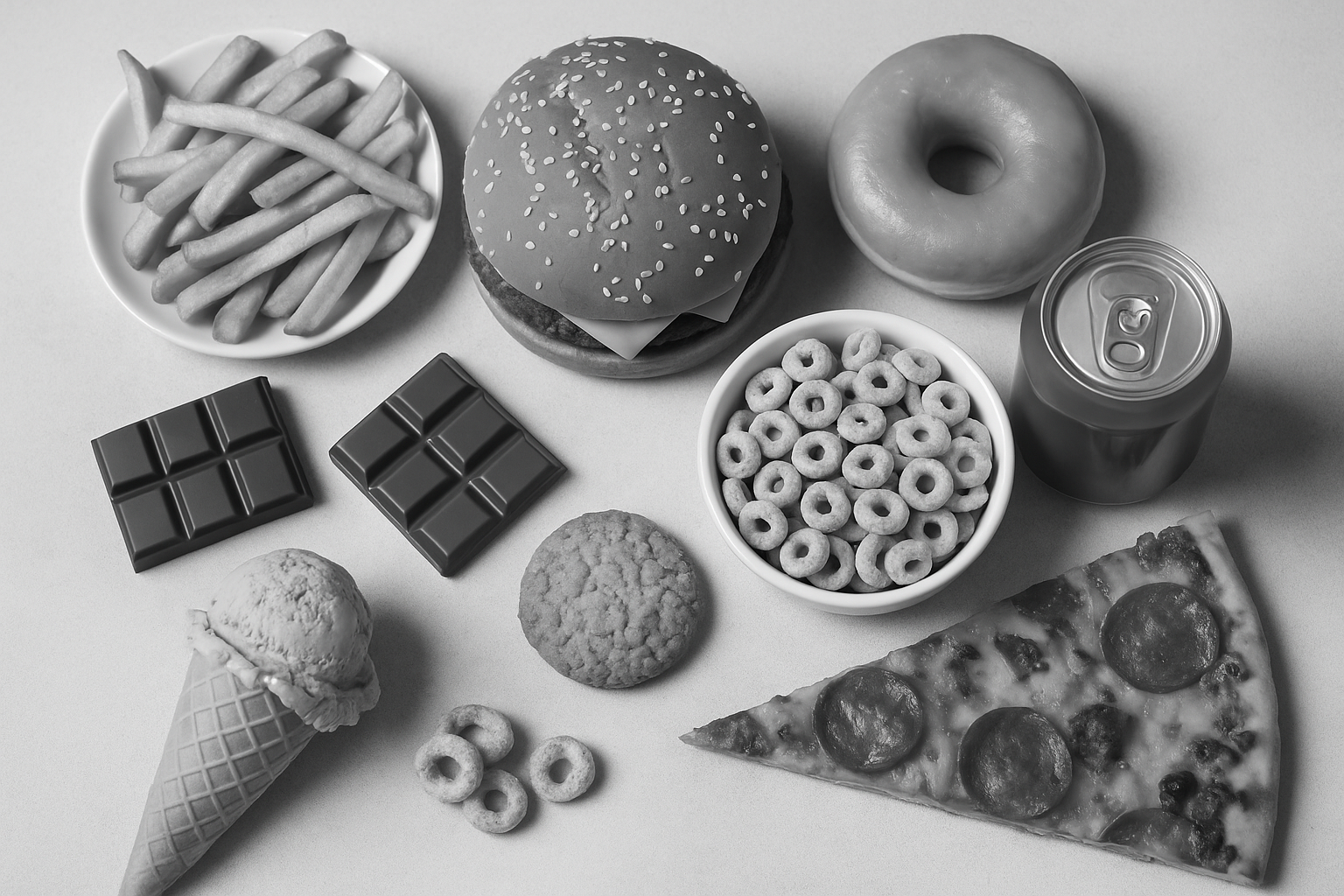
French fries, fried chicken, tempura, and many fast-food fried items absorb oil during cooking, which dramatically increases calories. Fried foods can be tasty, but they often crowd out more nutrient-dense choices.
Better alternatives: baked or air-fried versions, roasted potatoes, grilled chicken or fish, or crispy oven-baked veggie fries. You’ll get a similar “crunch” with fewer calories and less added oil.
5) “Low-Fat” or “Diet” Foods with Added Sugar
Some low-fat yogurts, cereals, granola bars, and salad dressings remove fat but compensate with added sugar and starches to keep the taste. The result can be a product that’s still high in calories and not very filling.
Better alternatives: plain Greek yogurt with berries, unsweetened oatmeal topped with fruit and cinnamon, and dressings made with olive oil + vinegar (or a lighter amount of a full-fat dressing you genuinely enjoy).
6) Alcohol (Especially Sugary Cocktails)
Alcohol contributes “invisible” calories, lowers inhibitions, and can increase cravings for salty or greasy foods. Many cocktails (margaritas, piña coladas, mixed drinks with soda or syrups) add a lot of sugar on top of the alcohol.
Better alternatives: if you drink, choose lighter options like a spirit with soda water and citrus, dry wine, or a light beer—and set a limit before you start. Alternating alcohol with water can also help.
7) Fast Food and Oversized Restaurant Portions
Restaurant meals can be higher in calories than expected due to added oils, sauces, and large portion sizes. Even “healthy-sounding” options can be calorie-dense when loaded with cheese, creamy dressings, and extras.
Better alternatives: look for grilled, baked, or steamed items; choose sauces/dressings on the side; and consider ordering a half portion, sharing, or boxing half before you begin eating.
8) Candy, Ice Cream, and Desserts as Daily Staples
There’s room for treats in a balanced diet, but desserts are typically high in sugar and calories and low in protein and fiber. Having them daily (especially in large portions) can make it tough to maintain a calorie deficit.
Better alternatives: fruit with yogurt, a small square of dark chocolate, protein pudding, or a controlled portion of your favorite dessert planned into the week. The key is portion and frequency—not total restriction.
9) Processed Meats
Bacon, sausage, hot dogs, and some deli meats tend to be high in saturated fat and sodium. While they can fit occasionally, relying on them often may make it harder to hit protein goals with fewer calories.
Better alternatives: leaner proteins like chicken breast, turkey, fish, eggs, tofu, beans, lentils, or lower-sodium deli options. Pair protein with vegetables for a more filling plate.
Common “Healthy” Foods That Can Slow Weight Loss
Some foods have a health halo but are easy to overdo. They’re not inherently bad—just calorie-dense.
- Granola and trail mix: nutrient-dense but very easy to overserve. Measure portions.
- Nut butters: healthy fats, but a couple of extra spoonfuls adds up fast.
- Smoothies: can be great, but large smoothies with juice, sweetened yogurt, and lots of add-ins can rival a milkshake.
- Avocado and olive oil: excellent fats—use mindful portions (a little goes a long way).
How to Spot Weight-Loss Saboteurs on a Label
If you’re unsure whether a packaged food is helping or hurting your goals, scan for these clues:
- Added sugars: ingredients like cane sugar, corn syrup, dextrose, maltose, and syrups.
- Low fiber: foods with very little fiber per serving tend to be less filling.
- High calorie density: lots of calories in a small serving size (especially if you’d normally eat 2–3 servings).
- Protein content: higher-protein choices often support satiety and muscle maintenance during weight loss.
Conclusion
When it comes to foods to avoid for weight loss, focus on reducing the items that are easiest to overeat and least likely to keep you full—like sugary drinks, refined carbs, fried foods, and heavily processed snacks. You don’t need to cut everything out forever; small, repeatable swaps can create a steady calorie deficit while still letting you enjoy what you eat. Start with one or two changes this week, and build from there.